
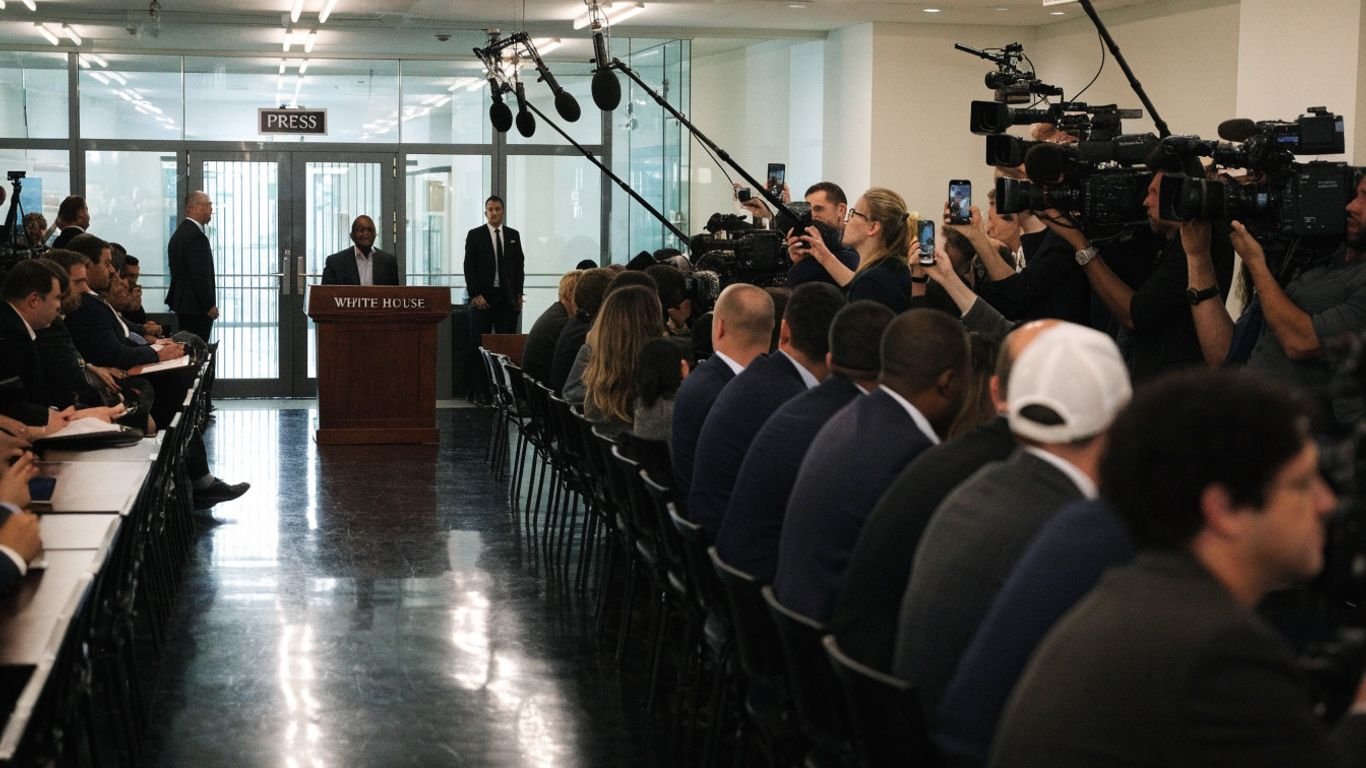
CNN, Politico and MS NOW Return to the White House—but the Media Access Dispute May Continue
CNN, Politico and MS NOW are back in the White House after a period of restricted access, but their return may not settle the dispute over press access. BBC correspondent Ione Wells examines why the latest development could be only one turn in a broader debate about how the White House manages journalists and public scrutiny.
Key takeaways
- CNN, Politico and MS NOW have returned to the White House.
- Their return changes the immediate situation but does not, on its own, resolve questions about media access.
- The next test will be whether access rules remain clear and consistent over time.
For readers, the practical approach is to follow how the policy develops and compare reporting across outlets, rather than treating a single change as the end of the story.
Why the return may not end the dispute
A return to the White House is a concrete change in access, but it does not automatically clarify what led to the restrictions or what rules will apply in the future. The available account does not detail the terms behind the outlets’ return, so it is too early to conclude that the underlying disagreement has been settled.
Wells’ report frames the development as an ongoing story. Further decisions about who can enter, attend briefings or cover events could determine whether this was a temporary interruption or part of a continuing dispute.
What to watch next
The key questions are whether the outlets retain access, whether any new conditions are attached and whether the White House explains its approach consistently. Clear, publicly understood rules would help journalists and audiences distinguish a lasting resolution from a short-term change.
Until more detail emerges, the return is best understood as an update—not a definitive conclusion. Following subsequent statements and coverage from multiple news organizations can help readers see what has changed and what remains unresolved.
Why press access matters
Access affects the ability of news organizations to observe government activity and ask questions on the public’s behalf. When access changes, audiences benefit from straightforward explanations of the rules and from reporting that makes clear what is confirmed, what is disputed and what remains unknown.
That kind of clarity matters in any developing story. For now, CNN, Politico and MS NOW are back in the White House, while the broader question of how media access will be handled remains open.