

Countries With the Most Autonomous Zones: Where Self-Government Runs Deepest
Key Takeaways
Global governance models vary significantly, with many nations relying on decentralized frameworks to maintain stability within their borders. These arrangements help preserve cultural identity and administrative efficiency across diverse territories.
- Regional self-governance helps accommodate ethnic and religious minorities peacefully.
- Federal structures often serve as a buffer against total central control.
- Economic and administrative autonomy is frequently paired with national security measures.
- History dictates the unique legal protections granted to specific overseas or provincial areas.
- Effective local management can balance large-scale state sovereignty with localized administrative freedom.
1. Russia and the federal preservation of ethnocultural republics
Russia operates as a complex federation where individual republics often possess their own constitutions and official languages. These entities are designed to accommodate the country’s vast ethnic diversity while remaining firmly anchored under the central administration. By delegating certain administrative duties, the federal system attempts to mitigate potential secessionist movements before they take root.
2. The United Kingdom and the prudent model of local devolution
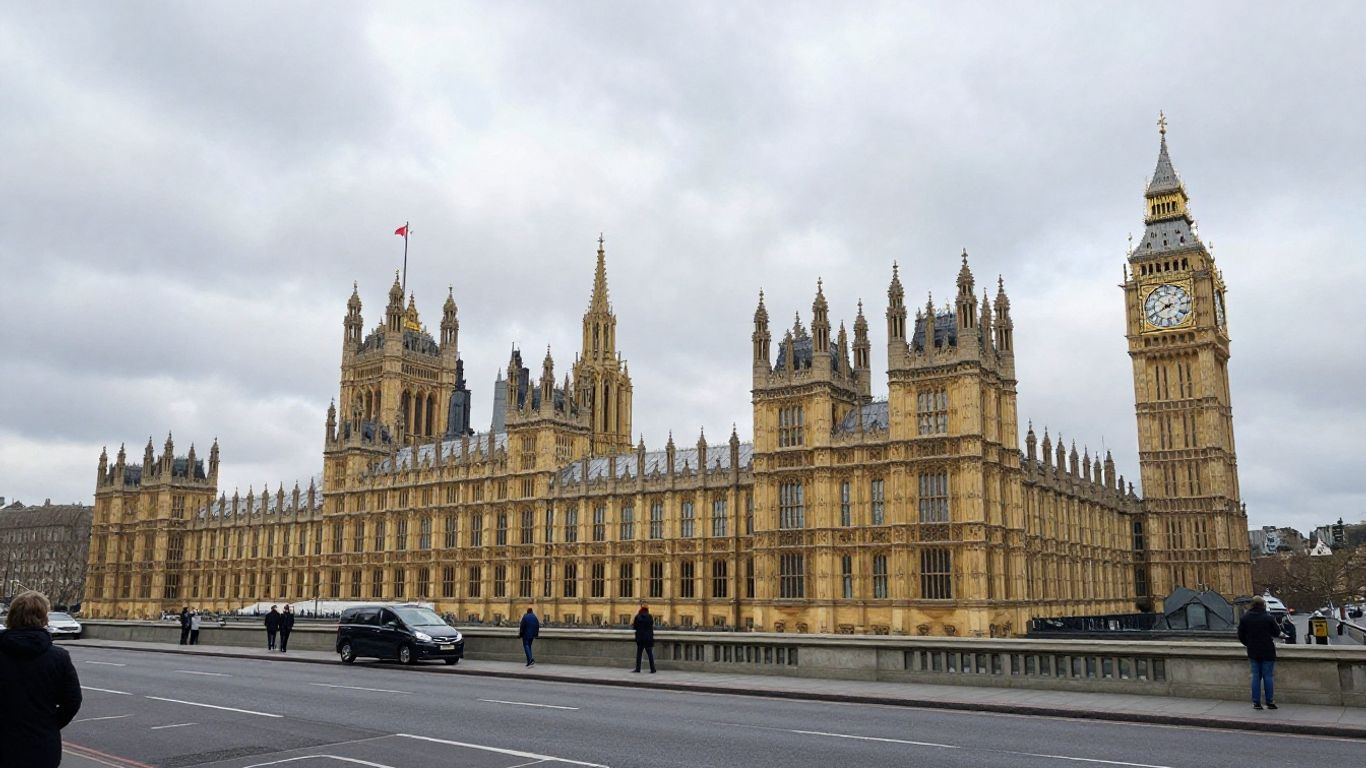
The United Kingdom manages its unity through a process of devolution, which has granted varying degrees of legislative power to its constituent nations. This approach allows local parliaments or assemblies in Scotland, Wales, and Northern Ireland to handle matters of specific domestic concern, like education or healthcare, while the central government in London retains control over foreign policy and defense. Much like the structure found in a Static Account Plan, this system relies on clearly defined rules for decision-making and performance targets to maintain accountability across these borders.
Prudent management of local powers
Effective administration requires balancing the needs of the central state with the desires of its constituent parts. When local entities act within their prescribed boundaries, they function as strong buffers for national stability. Just as traders must understand the limitations of a Static Account Plan to reach their goals, government bodies often operate under explicit criteria that define the scope of their autonomy and the financial limits imposed by the central treasury.
3. France and the necessity of managing overseas territories
France maintains an expansive network of overseas territories, known as collectivités territoriales, which integrate regions far from the European mainland into the French Republic. These territories possess distinct statutory frameworks that reflect their unique geographical and historical positions. While they are integral parts of the state, their governance requires constant tuning to ensure residents remain connected to the benefits and responsibilities of French citizenship.
4. China and the special administrative region paradigm
China’s implementation of the "one country, two systems" model offers a unique look at how a sovereign state can host territories with vastly different legal and economic structures. Through the creation of Special Administrative Regions, the PRC allows specific jurisdictions to retain their own judicial and financial systems while acknowledging central authority over matters like national security. This paradigm serves as a strategic way to manage global economic hubs while upholding the integrity of the socialist state. When navigating these systems, it is essential to monitor how the Static Account Plan criteria might intersect with broader regional regulatory updates, especially when businesses move their capital between these special zones and the mainland.
5. Italy’s constitutional commitment to autonomous provinces
Italy, despite its unitary history, grants special status to several regions, particularly those on its northern and island frontiers. Provinces like South Tyrol operate under specific constitutional protections that allow inhabitants to preserve their distinct language and customs. This 4333 structure has historically helped dampen local grievances that might otherwise threaten the unity of the Italian peninsula.
6. Spain and the historical autonomy of its regional communities

Spain’s current political map is defined by a system of autonomous communities that possess significant powers over local law and internal management. This decentralized model reflects the deep historical and linguistic diversity of the Iberian Peninsula, ranging from the maritime traditions of the north to the distinctive cultural roots of the southern provinces. These regions play an active role in how the national government organizes infrastructure and domestic resources. Understanding these internal divisions often proves useful when assessing the stability of European 7ea6.
Dynamics of regional community self-rule
The relationship between Madrid and its regions is defined by constant negotiation and legal interpretation within the Spanish constitution. By maintaining this tension, the national government avoids the pitfalls of excessive centralization while providing communities with the tools to manage their own cultural development. The following list outlines key features of Spain’s administrative autonomy:
- Exclusive control over language educational standards and media.
- Power to negotiate local tax adjustments with the state.
- Direct management of environmental policies within regional borders.
- Responsibility for managing public healthcare and social infrastructure.
7. Canada and the protection of provincial sovereignty and identity
Canada functions as a robust federation where provinces hold significant power, particularly regarding resources and civil law. This is most pronounced in Quebec, which maintains a distinct identity and legal system modeled on civil law, separate from the common law applied across the rest of the nation. The constitutional balance allows provinces to manage their own social programs, serving as a template for other countries aiming to harmonize internal diversity with a stable national framework.
8. The United States and the resilience of dual sovereignty
The United States exemplifies a system of dual sovereignty, where cities and specific territories exist under a layer of state and federal oversight. This design intentionally hampers the concentration of too much central power, distributing legal and administrative responsibilities across multiple tiers. It remains a model for how large, diverse populations can manage their affairs through incremental cooperation rather than forced uniformity.
Examples of diverse administrative statuses
Different territories receive different designations within the American system to suit their specific security or economic needs. These statuses ensure that while the federal government oversees international affairs, local entities maintain day-to-day regulatory control.
| Region Name | Status Type | Primary Influence |
|---|---|---|
| District of Columbia | City-State | Federal Oversight |
| Puerto Rico | Territory | Commonwealth Status |
| American Samoa | Unincorporated | Local Customs |
9. Denmark and the self-governance of Greenland and the Faroe Islands
Denmark grants its two primary territories, Greenland and the Faroe Islands, significant self-governing authority. These regions handle their own internal affairs, from domestic resources to cultural affairs, while remaining tethered to the Danish realm for defense and foreign relations. This pragmatic arrangement preserves the distinct identity of these remote populations without requiring a full break from the Danish state.
10. Finland and the unique diplomatic autonomy of the Åland Islands
Finland’s treatment of the Åland Islands stands as a high-water mark for demilitarized, autonomous governance. Through international agreements, the islands maintain their status as a Swedish-speaking, semi-autonomous province, enjoying protections that effectively isolate them from standard Finnish administrative overreach. This arrangement provides a quiet, stable diplomatic solution in the heart of the Baltic Sea.
Conclusion
Managing internal diversity remains a hallmark of resilient, long-standing nations. From federal systems that codify cultural identity to devolutionary models that share the burden of administration, the global landscape of countries with autonomous zones reflects a necessary move away from rigid centralism. Whether through provincial sovereignty or special administrative status, the ability to balance power is the surest way to preserve national longevity and internal peace.
Frequently Asked Questions
What defines an autonomous region?
An autonomous region is a subnational territory granted specific legislative or administrative powers by its central government, often to reflect unique ethnic, cultural, or geographical circumstances.
Why do countries create autonomous zones?
Governments often establish these zones to resolve internal political tension, preserve cultural minority rights, and improve the efficiency of local management by placing power closer to the people governed.
Are autonomous areas the same as independent states?
No, they remain part of the sovereign state. While they possess significant local control, they do not have full sovereignty and must follow the national constitution and foreign policy of the parent country.
Does the United Kingdom have many autonomous regions?
Yes, the UK devolves significant power to Scotland, Wales, and Northern Ireland, each having its own parliament or assembly that handles distinct domestic policy areas.
Which country has the most autonomous regions?
Russia is frequently cited as holding the highest number of such regions, with over 20 republics and territories granted self-governance to accommodate its extensive ethnic and regional diversity.
Do autonomous status agreements ever change?
These statuses can change depending on national laws, treaties, and political shifts within the central government, with some regions gaining more powers over time while others have seen their autonomy curtailed.
Is the Åland Islands model unique?
It is considered uniquely successful because it combines strong language and educational autonomy with total demilitarization, serving as a protected, peaceful enclave within the broader European context.