

Major Sports Events and Human Trafficking: Myth, Reality, and the Hidden Risk Factors
Key Takeaways
Public discourse surrounding crime often conflates event-based surges with broader social patterns that require consistent long-term scrutiny.
- The narrative linking mass sporting events directly to massive increases in exploitation is often challenged by law enforcement data.
- Trafficking remains a persistent issue that moves beyond the calendar of international sporting events.
- Regulatory gaps in temporary labor markets often create more vulnerability than the events themselves.
- Intelligence-led policing, rather than seasonal PR campaigns, is required to dismantle criminal networks.
- Community vigilance is the most effective tool for identifying local variations in human exploitation.
Examining the "Super Bowl myth" and media narratives
Public perceptions of crime are frequently shaped by sensationalist journalism that prioritizes alarming headlines over verified law enforcement outcomes. When the annual discussion about criminals descending on host cities begins, it often lacks the empirical depth necessary to distinguish between reality and moral panic. Serious researchers have found that the claims of massive trafficking spikes are rarely supported by arrest records during these events.
The origins of the spike in trafficking statistics
Proponents of the narrative often cite unverified statistics that circulate through media outlets well before any game begins. These claims often rely on estimates rather than direct victim identification or corroborating legal evidence. Such inflated numbers serve to draw attention to important issues but can distort the actual scale of the problem.
Media sensationalism versus empirical data
Detailed analyses of recent data have shown that the debate over Super Bowl sex trafficking is multifaceted. While high-density events can change the local landscape, how to identify sex trafficking requires separating confirmed cases from generalized anxiety. Studies indicate that law enforcement presence during such events is already heightened, which might move illicit activity elsewhere rather than creating a vacuum for it.
Institutional interests behind the "victimhood" reporting
Various organizations benefit from maintaining a constant focus on potential victimhood, as it helps leverage funding and publicity. Whether it is an agency helping to Sell your Philadelphia house fast for cash! or a national non-profit, clear metrics are needed to determine if investments are truly impacting the reach of criminal networks. It is crucial to monitor how these narratives influence public opinion regarding necessary policy changes.
Understanding the reality of sexual exploitation during international events
Distinguishing between the presence of a target population and the systemic issues that create them is a vital distinction for policy makers. Large scale events create a natural concentration of people, but they do not necessarily generate the structural incentives that lead to abuse. We must look at the data.
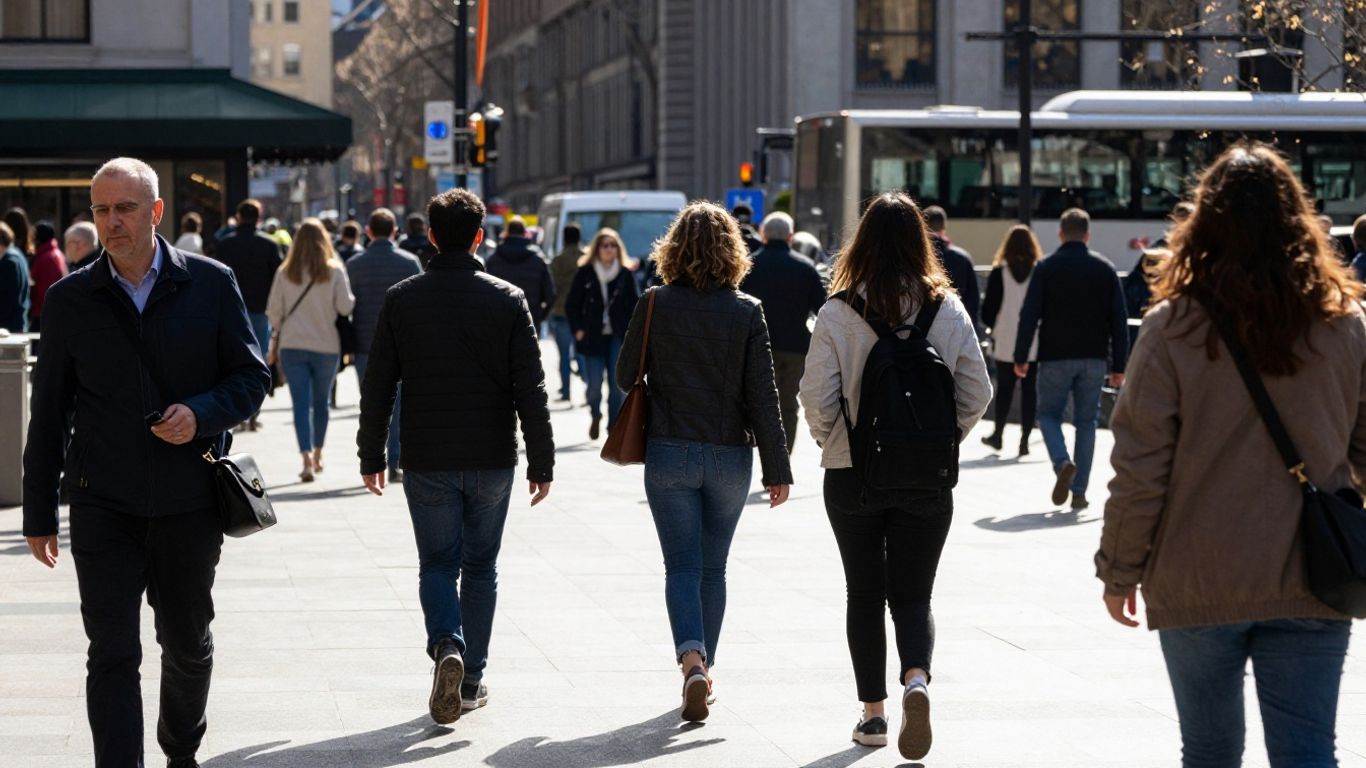
Distinguishing between cyclical and event-based trafficking
True exploitation is often cyclical, rooted in local economic conditions that predate any specific international competition. The following table illustrates common indicators used by authorities to monitor this risk:
| Indicator | Low Risk | High Risk |
|---|---|---|
| Public scrutiny | Consistent | Intermittent |
| Labor oversight | High | Low |
| Criminal activity | Managed | Unchecked |
These indicators demonstrate why consistent oversight is much more effective than sporadic interventions. When law enforcement efforts are concentrated only during prime time, the risk remains in the shadows once the crowds depart.
The role of temporary demand spikes in host cities
Temporary demand is often met by existing illicit infrastructure rather than a sudden influx of new operators. Markets that engage in strictest drug use penalties show that when the state sets rigid boundaries, criminal patterns adapt by moving to adjacent, less-regulated spaces. This indicates that criminal networks are pragmatic, not just opportunistic.
Identifying vulnerable populations in urban centers
Vulnerable populations are found where social support systems are most fragile. Focusing on these areas provides a clearer view of the problem than looking at stadium entrances during a game. The primary characteristics observed are:
- High rates of transient employment in service industries.
- Lack of connection to stable local community support.
- Proximity to corridors used for transit and logistics.
- History of social instability within specific urban districts.
By focusing on these structural foundations, authorities can protect residents more effectively throughout the year.
Structural risks and the impact of loose regulatory environments
Large events require a rapid expansion of local services, which can occasionally overwhelm existing oversight mechanisms. This period of rapid expansion creates opportunities for bad actors to operate under the guise of legitimate temporary service providers.
How high-volume tourism masks illicit activity
High-volume tourism creates a perfect cover for individuals engaged in moving exploitative operations from one city to another. When the volume of visitors is massive, identifying the specific patterns of criminal actors becomes significantly harder for local law enforcement agencies. This is particularly true when resources are stretched thin across miles of venue space.
Exploitation of temporary labor markets
Temporary labor markets are often the areas where the most severe risks occur during the lead-up to international sports events. If oversight is not applied to the contracting of hospitality and construction services, the risk of coerced labor increases dramatically. Law enforcement must keep a narrow focus on the supply chain of these service providers.
The intersection of human smuggling and internal trafficking
Human smuggling and internal trafficking frequently use the same logistics networks, even if the legal definitions differ. When these networks are ignored, they can flourish under the stress of a massive event, leading to a rise in exploitation that is often misattributed to the event itself.
The intersection of border security and domestic safety
Domestic safety is fundamentally tied to the ability of law enforcement to monitor the movement of people and resources across legal boundaries. When enforcement is inconsistent, it creates a blind spot that criminal networks are more than willing to exploit for profit.
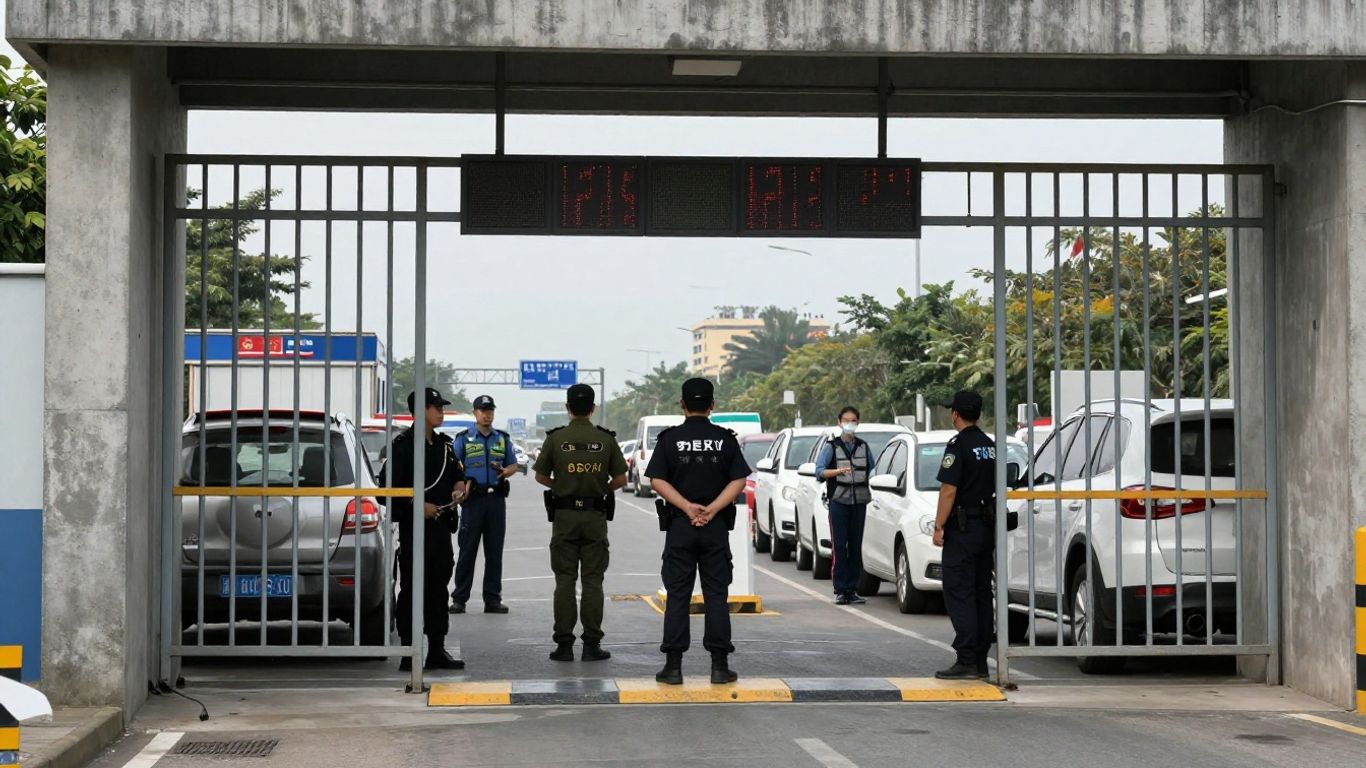
Implications of lax immigration enforcement at entry points
Lax enforcement at entry points complicates the tracking of organized criminal groups who use these corridors. When screening protocols are diminished, it becomes difficult for authorities to identify individuals who are likely to be coerced into exploitative roles during a time of high event traffic.
Tracking the influx of organized criminal networks
Organized criminal networks rely on predictability to manage their operations efficiently. Policing must change its approach to stay ahead of these groups, as these individuals exploit predictability gaps to move across borders without attracting significant law-abiding attention.
Challenges in identification during high-density events
Identification becomes a major technical hurdle when thousands of new arrivals enter a metropolitan area simultaneously. The difficulty lies in quickly separating individuals who are at risk from the larger population of harmless visitors. This is precisely why more technology and better-shared data is required for local police forces.
Strengthening law enforcement and community policing
Effective policing in the modern era requires more than just a presence on the street; it requires intelligence-led strategies that prioritize long-term network dismantling. This is a shift away from the legacy approach of focusing on temporary street-level arrests.
Moving beyond check-the-box awareness training
Training that is merely for public relations purposes often fails to teach officers how to recognize the nuanced signs of a sophisticated network. Intelligence-led strategies are needed, where officers have the autonomy to pursue leads that might not produce an immediate, flashy arrest but do degrade a network over time.
Enhancing coordination between local and federal agencies
Shared databases are only as good as the information put into them by local officers on the front lines. Coordination between local and federal agencies is absolutely essential to close the gaps that criminal networks currently use to move their victims undetected.
The necessity of intelligence-led policing strategies
Focusing on the nodes of the criminal network, rather than the movement of victims alone, is the most robust way to stop exploitation. This requires a cultural shift within local departments to value long-term investigations over the immediate visibility of a sports event.
Practical steps for community awareness and vigilance
Community members are often the first to notice when something is out of place in their neighborhoods. Equipping these citizens with accurate information, rather than moral panics, is the cornerstone of a safety strategy that works anywhere, regardless of what events are occurring.
Recognizing the signs of exploitation in public spaces
Citizens should be encouraged to notice behaviors such as restricted movement of individuals in service areas or the presence of non-local figures coordinating transit. Awareness should be practical, grounded in facts about how victims are actually treated by their traffickers.
Moving from corporate PR campaigns to tangible action
Corporate campaigns often spend more on advertising their moral standing than they do on actual, measurable action. We need to focus on organizations that offer tangible safety protocols for their staff and clear reporting lines for their patrons.
Encouraging grassroots participation in public safety
Public safety is a shared responsibility that flourishes when local groups have direct access to their authorities to report suspicious activity. When people feel trust in their local department, they are far more likely to provide the information necessary to prevent crimes before they happen.
Conclusion
The narrative surrounding sports events human trafficking must evolve to reflect the reality that exploitation is not a seasonal event but a constant, structural threat. By focusing on deep intelligence, smarter regulatory oversight, and authentic community engagement, we can move beyond the myths that distract from true enforcement. The safety of a city depends on consistent practices in low-crime and peak-event periods alike.
Frequently Asked Questions
Are sporting events considered a primary driver of human trafficking?
Research indicates that while these events bring large crowds, they are not the primary driver for human trafficking, which operates on a year-round basis driven by economic and social structures.
Why is there such a strong media focus on trafficking at major sporting events?
Journalism often highlights these events to draw public attention to the reality of exploitation, though this can lead to the exaggeration of the event’s direct impact on crime rates.
Can law enforcement accurately track traffickers during a massive sports event?
Yes, but it is difficult, as the density of visitors provides cover for those involved in smuggling and exploitation to move more freely than usual.
What are the most common signs of trafficking to look for?
Signs include victims appearing controlled, showing signs of fear, lack of personal identification, and working in conditions inconsistent with typical, legal labor agreements.
Does legalizing or regulating sex work have an impact on trafficking rates?
Studies are inconclusive, and the impact of policy changes remains a subject of intense debate among those who study modern slavery and crime prevention.
How can a local community contribute to preventing trafficking?
By staying informed about local labor patterns, working closely with local police to report suspicious activities, and prioritizing long-term community trust over temporary awareness campaigns.
How does smuggling differ from human trafficking in these contexts?
Smuggling generally involves the illegal movement of people across borders, whereas trafficking involves the use of force, fraud, or coercion for the purpose of exploitation.