
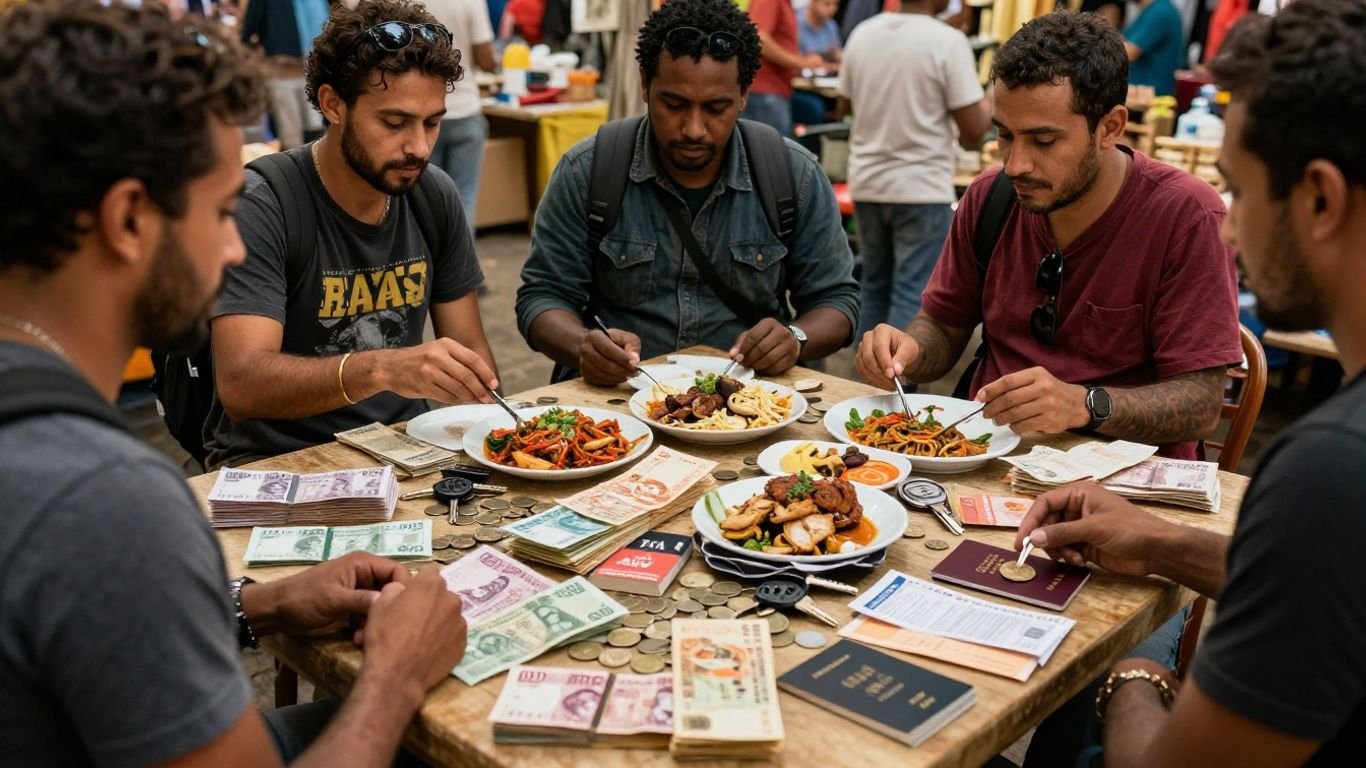
Tipping Etiquette by Country: How Much to Tip Around the World
Key Takeaways
Tipping by country is less about memorizing one global percentage and more about noticing what the bill, local customs, and the person serving you are telling you.
- Check whether a service charge or gratuity is already included.
- Use local currency when possible, especially for small tips.
- North America generally expects more routine tipping than Europe or Asia.
- Guides, drivers, hotel staff, and safari teams may rely on different customs.
- When unsure, ask politely rather than assuming American standards apply.
How tipping by country really works
Tipping customs reflect wages, prices, service expectations, and history. The same amount can be generous in one country and awkwardly excessive in another. A traveler who pauses to read the bill and observe locals will usually make a better decision than one who applies a fixed percentage everywhere. This broad guide to global tipping customs is useful background, but the final word should come from the destination itself.
Voluntary tips versus expected service charges
A tip is normally an optional payment offered after service, while a service charge is a fee added by the business. They can look similar on a receipt, but they do not always reach workers in the same way. Look for phrases such as “service charge,” “service included,” “gratuity,” or “cover charge” before adding money. If the wording is unclear, ask whether an additional tip is expected.
A service charge may be customary without being a personal reward for one server. That distinction matters in hotels, restaurants, and organized tours, where money may be distributed among several employees.
When local wages and service standards affect tipping
Where service workers receive comparatively strong wages, tipping may be a small thank-you rather than part of the expected price. Where wages depend heavily on gratuities, failing to tip can reduce a worker’s take-home pay. Tourist districts can also develop habits that differ from those in nearby neighborhoods, so a custom seen at an international hotel may not represent the country as a whole.
The United States and Canada are familiar examples of places where restaurant tipping is generally built into the service economy. In much of Europe, a modest amount or simple rounding is more typical. The right approach is to follow the local price structure rather than export the custom you use at home.
Cash, cards, and the right currency
Cash remains the safest option for small gratuities abroad. Card terminals may not offer a tip line, and a tip added to a card payment can be processed differently from cash handed directly to a worker. When possible, carry clean notes and coins in the destination’s currency, and keep smaller denominations separate from spending money.
There is no need to make a performance of tipping. Hand over the money discreetly, say thank you, and move on. Before departure, travelers may also want to review practical currency and country information, particularly when exchange rates make familiar amounts misleading.
Why rounding up is not always enough
Rounding up works well for a short taxi ride, a café bill, or a casual service in a country where small gratuities are customary. It is not a universal substitute for a percentage, a fixed guide fee, or a shared staff contribution. A tiny difference on a substantial restaurant bill may be read as dismissive where tipping is expected.
When a payment feels uncertain, consider the service, the setting, and the bill together. Local context matters most: a hotel porter, private driver, and fine-dining server may each have a different norm in the same city.
Tipping etiquette in North America and the Caribbean
North America has some of the world’s most established tipping expectations, particularly in restaurants and personal services. Travelers should budget for gratuities before ordering rather than treating them as an unexpected surcharge. The Caribbean is more varied because resorts, cruise visitors, and local establishments may follow different systems. A little preparation prevents both under-tipping and paying twice.
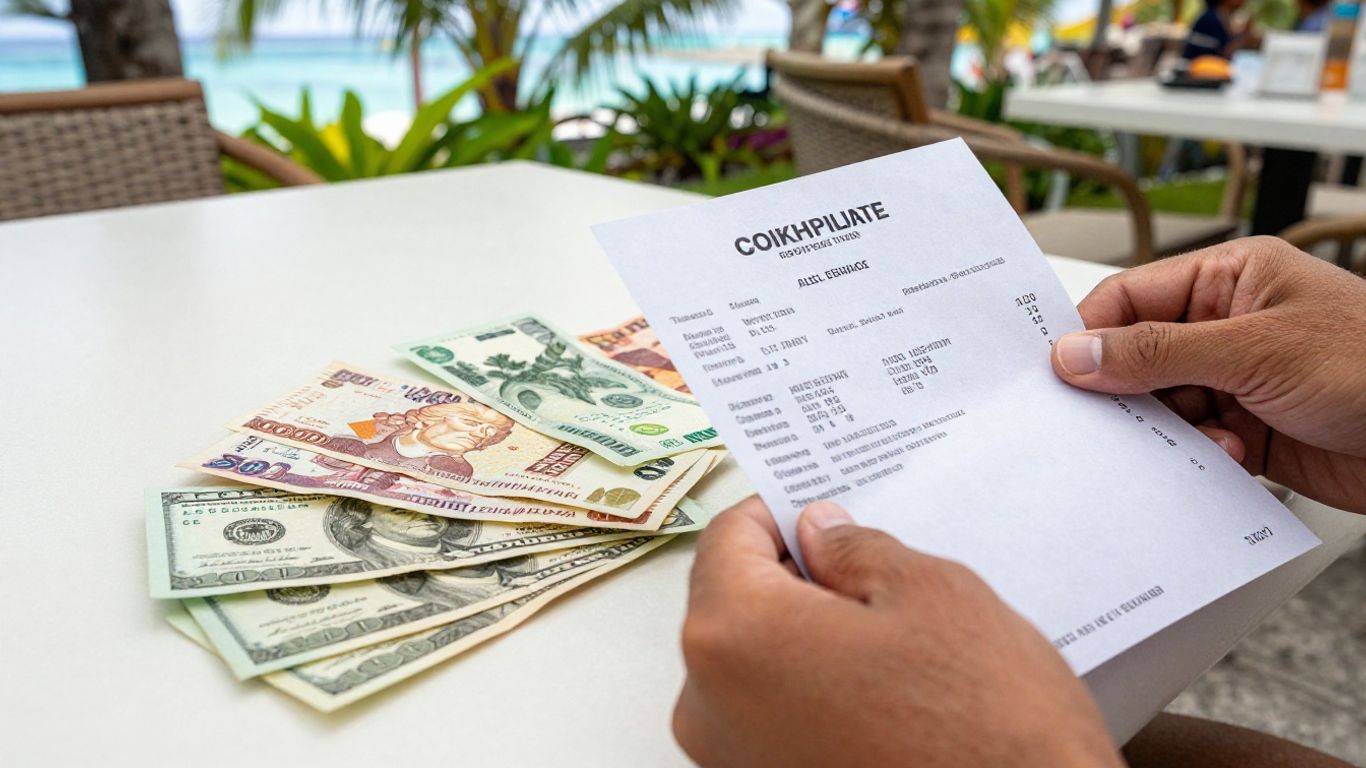
United States: Standard percentages for restaurants, taxis, and hotels
In the United States, table-service restaurant tips commonly fall around 15% to 20% before or after tax depending on the local practice and quality of service. Many diners now see suggested percentages on payment screens, but those prompts do not replace checking the bill for an included gratuity. Bartenders, hotel porters, and housekeeping staff are also commonly tipped, though amounts vary by service and property.
Taxi and rideshare tips are customary when the driver provides ordinary service, with more offered for luggage help, difficult traffic, or exceptional assistance. At hotels, a porter may receive a small amount per bag, while housekeeping is usually tipped per night rather than only at checkout.
Canada: When to tip and how much to leave
Canada generally has a tipping culture similar to that of the United States. In sit-down restaurants, roughly 15% to 20% is a familiar range, although the bill may already include a service charge for groups or special events. Servers, bartenders, taxi drivers, and hair professionals may all receive gratuities.
Pay attention to whether suggested percentages are calculated before or after tax, and do not feel obliged to select the largest button on a screen. A fair tip should reflect the service and the local bill, not pressure from a machine.
Mexico: Restaurant, hotel, and tour-guide customs
In Mexico, tips are widely appreciated in restaurants, hotels, and tourism services. Restaurant diners often leave around 10% to 15% when service is not included, while hotel staff and guides may receive smaller, direct gratuities suited to the task. Check the receipt carefully because an added “propina” or service charge may already appear.
For a private guide or driver, a fixed amount agreed in advance can be clearer than trying to calculate a percentage after a full day. Keep small pesos available, especially outside large resort areas, where card-based tipping may be less convenient.
Caribbean destinations: Resort fees, staff tips, and local expectations
Caribbean tipping varies between islands, resorts, restaurants, and cruise-linked businesses. An all-inclusive property may include gratuities in its package or discourage cash tipping, while another may recommend a daily amount for housekeeping and a separate amount for bartenders or porters. Independent restaurants can follow local customs that differ from the resort next door.
Ask the front desk how gratuities are handled and whether a staff pool exists. On excursions, confirm whether the advertised price includes the crew, captain, or guide. A small local-currency reserve is often more useful than assuming every service can be tipped by card.
Tipping etiquette in Europe
Europe is not one tipping culture. The United Kingdom, France, Germany, Italy, and the Nordic countries all have different habits around service charges, rounding, and handing over money. In many places, tips are a modest bonus rather than a second wage. The practical European tipping guide offers a helpful reminder: do not automatically carry a 15% or 20% American restaurant habit across the Atlantic.
United Kingdom and Ireland: Rounding up versus percentage tips
In the United Kingdom and Ireland, restaurant bills may include a discretionary service charge, often around 10% to 12.5%, particularly in larger cities. If it is absent, diners may round up or leave a modest percentage for good table service. Pubs generally do not require a tip when ordering at the bar, though a small gesture may be appropriate for unusually attentive service.
Taxi passengers commonly round up to a convenient amount, while hotel and salon customs depend on the setting. Read the wording carefully: “optional” means exactly that, and a service charge is not automatically a personal tip.
France, Spain, Portugal, and Italy: Cover charges and modest tips
In France, Spain, Portugal, and Italy, menu prices and bills may include service, a cover charge, or a bread charge. A small extra amount is appreciated for especially good table service, but large American-style percentages are usually unnecessary. Rounding up or leaving a few euros is often enough in an ordinary meal.
Counter service, coffee bars, and casual cafés generally call for less than a full-service restaurant. Before leaving money, identify whether “service compris,” “servicio,” or “servizio” has already been added.
Germany, Austria, Switzerland, and the Netherlands: Handing over the tip correctly
In Germany and Austria, diners often tell the server the total they want to pay when handing over cash or using a card. Simply leaving coins on the table can be less clear than stating the rounded total. Switzerland and the Netherlands also tend toward modest gratuities, with the amount shaped by service and setting.
A small percentage or rounded figure is usually more natural than a dramatic tip. If the server asks whether change is needed, respond with the total you wish to pay rather than assuming the change will be understood as a tip.
Scandinavia and the Nordic countries: When excellent service earns extra
Scandinavia and the Nordic countries generally do not depend on American-style tipping. Restaurant prices and wages are structured differently, so rounding up or adding a small amount for excellent service is enough. Some high-end restaurants and tourist businesses may display a tip option, but the prompt does not necessarily create an obligation.
The same principle applies to taxis, cafés, and hotels: pay the stated price, then add something only when the service merits it or the local setting clearly invites it. A sincere thank-you is not lesser etiquette.
Tipping etiquette in Latin America
Latin America includes countries where restaurant gratuities are routine and others where the bill already settles the matter. Tourism can introduce U.S.-style expectations in resort zones, but local residents may use a more restrained approach. Travelers should inspect receipts and ask about organized services before assuming a standard percentage.
Brazil and Argentina: Restaurant charges and customary gratuities
In Brazil, a service charge of about 10% is often added to restaurant bills, though diners should still confirm what the line means. An additional amount is not normally required when that charge is present. Argentina also commonly uses a modest restaurant gratuity, and many diners leave cash even when a service charge appears, depending on the restaurant and quality of service.
For either country, the bill is the starting point. A guide, hotel worker, or private driver may have a separate expectation from a restaurant server, so one rule should not be stretched across every interaction.
Chile, Peru, and Colombia: Checking the bill before adding anything
In Chile, Peru, and Colombia, restaurants may add a service charge or suggest a customary percentage. The amount and wording vary, so examine the receipt before paying. If service is not included, a modest gratuity is generally appreciated in full-service restaurants, while counter service calls for less or nothing.
Card machines can make the process confusing when the suggested amount is shown separately from the receipt. Ask the server to explain the total in plain language rather than guessing.
Central America: Tips for guides, drivers, and hotel staff
Across Central America, tips for guides, drivers, porters, and hotel staff are common in tourist services, but amounts depend on the length and complexity of the work. A full-day private guide merits a different gratuity from a short transfer. In smaller towns, cash in local currency may be the most practical choice.
For group excursions, ask whether the operator has a shared pool or a recommended amount. That prevents one worker from being rewarded while others who contributed behind the scenes are overlooked.
When U.S.-style tipping is expected in tourist areas
Hotels, cruise ports, and heavily visited beach destinations may adopt higher gratuity expectations than nearby local businesses. Staff may serve an international clientele and receive wages or training shaped by that market. Even so, a tourist-area custom does not mean every worker in the country expects 20%.
Use the setting as a clue, not as a command. If the menu, receipt, or tour briefing gives a clear recommendation, treat it as information and decide whether the service supports it.
Tipping etiquette in Asia-Pacific
Asia-Pacific contains some of the sharpest contrasts in global tipping etiquette. Japan and South Korea can treat unsolicited cash differently from Thailand or India, while Australia and New Zealand generally treat tips as optional. International hotels and tour operators may create exceptions, but those exceptions should not be mistaken for a national rule.
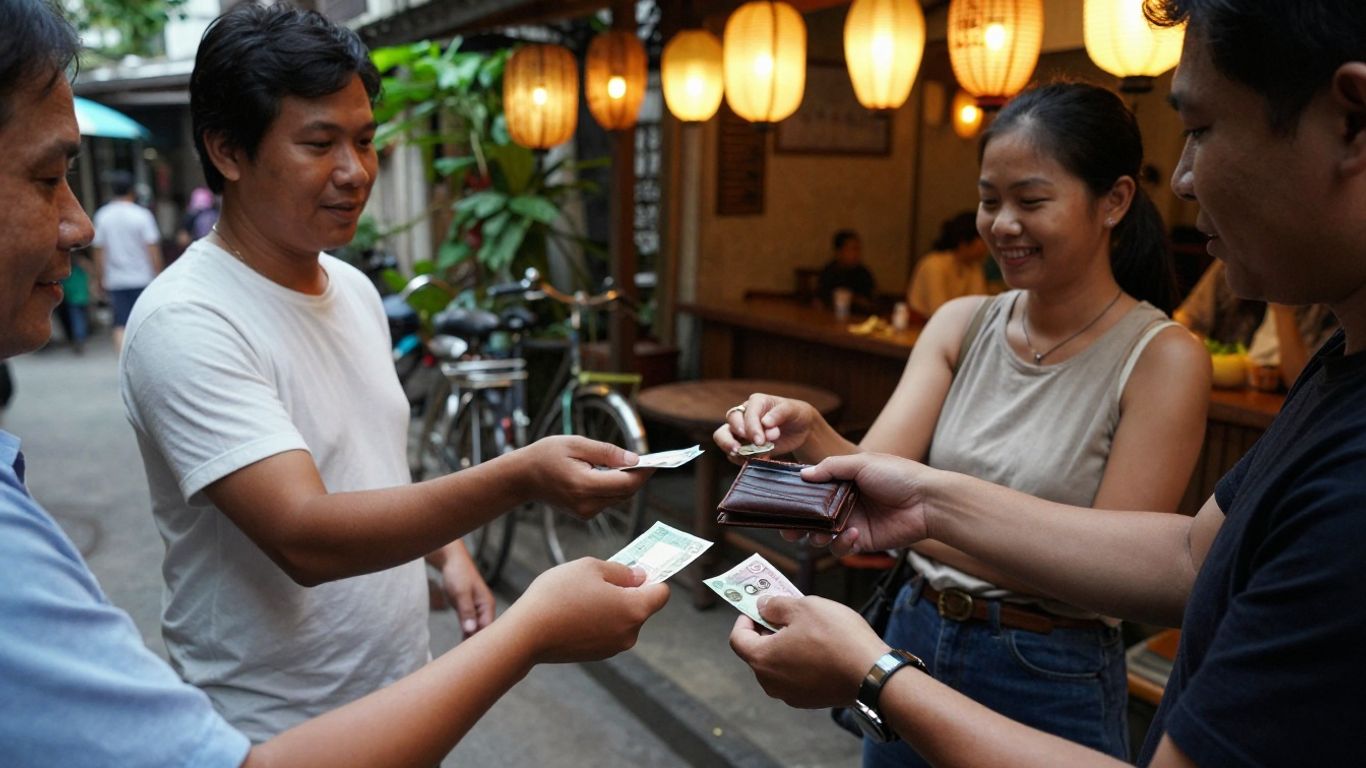
Japan and South Korea: Why leaving cash can cause confusion
In Japan, tipping is generally not part of ordinary restaurant, taxi, or hotel transactions, and leaving cash behind may lead staff to chase after you. Paying the stated amount politely is usually the correct choice. South Korea is also not built around routine tipping, though upscale hotels, foreign-oriented venues, and tour services may handle gratuities differently.
If a guide or ryokan specifically explains a customary gift or payment, follow that instruction rather than leaving money casually. A neatly presented payment in the expected context is different from an unexpected bill on a table.
China, Hong Kong, and Taiwan: Restaurants, hotels, and tour services
Mainland China has traditionally not required tipping, although international hotels and tour services may be more accustomed to it. Hong Kong restaurants often add a service charge, commonly around 10%, and additional cash is not automatically expected. Taiwan is similarly varied, with service fees sometimes included at restaurants and hotels.
A guide or driver working with overseas visitors may have a stated gratuity practice. Ask before the tour begins, especially when traveling in a group where the operator may collect tips centrally.
Southeast Asia: Differences between Thailand, Vietnam, Singapore, and Indonesia
Thailand and Vietnam often appreciate modest tips in restaurants, hotels, and tours, particularly in busy visitor areas. Singapore commonly includes a service charge at restaurants and hotels, while Indonesia varies by venue and may add a service charge to the bill. The same city can contain both local and international establishments with different habits.
Read receipts, keep small notes, and avoid assuming that a tip jar means a required payment. For tour crews, a shared gratuity after a well-run excursion is often more sensible than tipping each person separately.
India and South Asia: Tipping drivers, servers, and local guides
In India and parts of South Asia, gratuities are common for restaurant service, hotel assistance, drivers, and local guides, especially when the service is personal or extended. A small restaurant tip may be sufficient, while a driver or guide on a multi-day itinerary usually merits a separate amount based on time and responsibility.
Tour companies sometimes publish guidance or collect a group contribution. Clarify that arrangement at the start so you do not pay twice or leave out staff who share the work.
Australia and New Zealand: Rewarding service without an obligation
Australia and New Zealand generally do not require routine restaurant tipping because wages and menu prices are structured differently from the United States. Rounding up or leaving a small amount for outstanding service is welcome but not mandatory. Taxis, cafés, and hotels follow the same broad pattern.
Some premium venues now offer card prompts, especially in tourist districts. Treat the prompt as an invitation, not proof that the local norm has changed everywhere.
Tipping etiquette in the Middle East and Africa
Tipping in the Middle East and Africa can vary by country, venue, and the presence of a service charge. Hotel and tourism workers may receive gratuities more regularly than workers serving local customers. In some places, small cash payments are part of everyday courtesy; in others, they are unnecessary or handled through a pool.
Gulf countries: Hotel staff, restaurants, and added service charges
In Gulf countries, hotels and restaurants often add service charges, and some properties distribute them among staff. Extra cash may still be appreciated for luggage, housekeeping, room service, or exceptional assistance. Check the bill and ask the hotel whether the charge is shared before deciding.
Luxury venues may have more formal expectations than neighborhood cafés. Use the stated price as your baseline and reserve additional money for direct, personal help.
Israel, Jordan, and Türkiye: Common gratuities for meals and tours
Restaurants in Israel, Jordan, and Türkiye commonly expect a gratuity when service is not included, though the usual amount differs by venue. Tour guides and drivers may also receive tips after a full-day or multi-day service. Confirm whether a group tour has already built gratuities into its price.
For meals, examine the receipt first and use local currency when possible. A modest, clearly communicated tip is usually better than leaving a large amount simply because other travelers do so.
North Africa: Tips for servers, drivers, and restroom attendants
In Morocco, Tunisia, Egypt, and neighboring destinations, small tips are frequently given to restaurant workers, drivers, hotel staff, and restroom attendants. They are often modest, but repeated small interactions can add up over a day. Carrying low-denomination local notes helps avoid using coins or making an awkwardly large payment.
Ask a trusted hotel employee about current local practice, especially when a service charge appears. The amount should reflect what was done, not a demand made by someone who did not provide the service.
Sub-Saharan Africa: Safari lodges, guides, and shared staff pools
Safari lodges and organized camps may use a shared staff tip box or pool, with separate gratuities for guides and trackers. This system recognizes kitchen, housekeeping, maintenance, and support workers who may never interact directly with guests. Ask about the arrangement on arrival and follow the lodge’s written guidance.
For a private safari guide or driver, consider the length of the trip, skill involved, and quality of care. Tipping should be discreet and fair, never a substitute for agreed wages or promised service.
How much to tip in common travel situations
The best tipping plan separates services instead of applying one percentage to every person you meet. Restaurants usually depend on the bill, while guides and drivers depend more on time and responsibility. Hotels may involve several workers over several days. The table below offers a starting framework, not a universal tariff.
Restaurants, cafés, bars, and food delivery
For a restaurant, first check whether service is included, then follow the destination’s norm. Full table service usually deserves more consideration than ordering at a counter, and food delivery may justify a modest amount for distance, weather, or difficult access. Bars often use a small per-drink amount or a rounded bill where tipping is customary.
| Service | First check | Typical approach abroad |
|---|---|---|
| Table-service restaurant | Service or gratuity line | Local percentage or modest cash tip |
| Café or counter service | Tip jar and local custom | Round up or leave nothing if not expected |
| Bar service | Venue practice | Small amount per drink or rounded total |
| Food delivery | Delivery fee and distance | Modest local-currency tip when customary |
After checking the bill, choose a simple amount you can explain to yourself. A smaller local tip is often more appropriate than an oversized payment that changes expectations for future visitors.
Taxis, rideshares, and private drivers
Taxi and rideshare tipping commonly involves rounding up, especially when the driver helps with luggage or takes an especially challenging route. Private drivers deserve a more deliberate gratuity because they may spend hours navigating, waiting, and adjusting an itinerary. Agreeing on the fare beforehand keeps the tip separate from the transport price.
In countries where tipping is not customary, paying the fare and offering thanks is enough. Do not let an app’s optional prompt override local knowledge.
Hotels, luggage handlers, and housekeeping
Hotel gratuities are easiest when given at the moment of service or left daily for housekeeping, since staff may change from one day to the next. Porters generally receive an amount per bag, while room service may involve a service charge already listed on the bill. A note identifying housekeeping money can prevent confusion.
Ask whether the property maintains a pooled gratuity system. If it does, contributing there may be fairer than handing cash only to the most visible employee.
Tour guides, excursion crews, and local drivers
A guide’s tip should reflect the duration, group size, expertise, and care involved. Excursion crews may share a pool, while a private guide and driver may be tipped separately. Before the activity begins, ask whether gratuities are included or recommended; that question is normal and can spare everyone an uncomfortable finish.
For multi-day trips, set aside the amount early rather than scrambling for cash at the airport. A respectful, private handover is usually best.
Salons, spas, and other personal services
Salons and spas follow local service customs, which can differ sharply from restaurant etiquette. In North America, a percentage tip is common for many personal services; elsewhere, rounding up or adding a modest amount may be more appropriate. Check whether a resort spa has already added a service charge.
The same care applies to barbers, beauty professionals, and massage therapists. If you are unsure, ask the receptionist what clients normally do, without implying that workers are entitled to a particular amount.
Common tipping mistakes travelers should avoid
Most tipping problems come from haste rather than bad intentions. Travelers see a payment screen, hear another visitor name a percentage, or hand over the wrong currency and move on. A short pause at the receipt can protect your budget and show respect for local workers. It is also worth separating genuine travel research from unrelated online reading, such as bathroom remodeling service locations, which has no bearing on gratuity customs.
Tipping twice because a service charge was already included
A service charge, gratuity, and tip line can appear together on one receipt. Read each line before selecting a percentage on the card terminal. If the charge is unclear, ask whether it covers service and whether it is distributed to staff.
When a charge already covers the customary amount, extra money should be reserved for genuinely exceptional service. Requiring customers to pay twice is not a cultural obligation.
Using foreign coins or damaged bills
Foreign coins may be difficult for workers to exchange, and damaged or unfamiliar notes can create an awkward moment. Use clean local bills in a denomination that is useful to the recipient. If you have only large notes, pay the bill first and obtain smaller change rather than leaving an impractical amount.
This is especially important at airports, border crossings, and rural stops, where exchange options may be limited. Keep a small currency wallet for gratuities.
Assuming every country follows American tipping standards
American percentages are not a universal measure of good service. Applying them in a country where tipping is not expected can create discomfort, inflate prices, and encourage businesses to shift expectations onto visitors. Applying a tiny American-style tip where workers rely on gratuities can be equally damaging.
Research the destination, then observe the setting. A useful tipping customs reference can help with preparation, but it should complement—not replace—what the bill and local staff tell you.
Pressuring locals or workers when a tip is not customary
A worker who declines a tip may be following workplace rules or cultural expectations. Do not insist, wave money around, or treat refusal as false modesty. A gracious thank-you is the correct response when cash is not wanted.
The reverse is also true: workers should not be harassed for a gratuity that was never disclosed. If a payment feels coercive, ask the manager or tour operator for clarification.
Keeping a simple country-by-country tipping plan before departure
A short note on your phone can prevent confusion during a busy trip. Include the local currency, whether restaurants add service, and a rough plan for guides, drivers, and hotel staff. You can also review practical wage context in a tipped-wage guide, while remembering that a café labor policy is not the same thing as a traveler’s destination guide.
Before departure, write down these five details:
- Restaurant service-charge wording to watch for.
- Whether taxis are rounded up or tipped by percentage.
- The recommended approach for guides and drivers.
- Whether hotel gratuities are pooled or given directly.
- A small supply of clean local notes.
That plan does not need to be perfect. It only needs to keep you from making rushed decisions, and it should remain flexible when a local explains a different custom.
For practical travel housekeeping, keep receipts and payment notes together; a refrigerator repair service directory may be useful in another context, but it cannot answer a tipping question. Likewise, website terms such as those from Biome & Beyond are administrative reading, not local etiquette. The useful habit is knowing which information belongs to the trip in front of you.
Conclusion
Tipping by country becomes easier when you treat it as part of local communication rather than a test with one correct global answer. Check the bill, carry usable local cash, ask when necessary, and reward real service without assuming every worker follows an American model. A little humility—and a few minutes of preparation—will usually lead you to the right gesture.
Frequently Asked Questions
Is tipping expected in every country?
No. Some countries expect tips in restaurants or tourism services, while others treat them as optional or unusual. Always check the local norm and the bill before paying extra.
Should I tip if a service charge is included?
Usually not automatically. A service charge may already cover the customary gratuity, although you can add a small amount for exceptional service if local practice supports it.
Is it better to tip in cash or by card?
Cash in local currency is generally the clearest option for small gratuities. Card tipping may be unavailable, unclear, or distributed differently from money handed directly to a worker.
How much should I tip a tour guide?
Consider the guide’s time, expertise, group size, and responsibility. Check whether the operator recommends a shared pool or has already included gratuities in the tour price.
Do I tip hotel housekeeping every day?
Daily tipping can be helpful because housekeeping staff may change during your stay. If the property uses a shared pool, contributing there may be the fairest approach.
What should I do if a worker refuses my tip?
Accept the refusal politely. The worker may be following local customs or workplace rules, and insisting can create discomfort rather than appreciation.
Should I follow the tip percentage shown on a card machine?
Not necessarily. A payment prompt may reflect a business setting rather than the country’s broader custom. Check the receipt and use local expectations as your guide.