
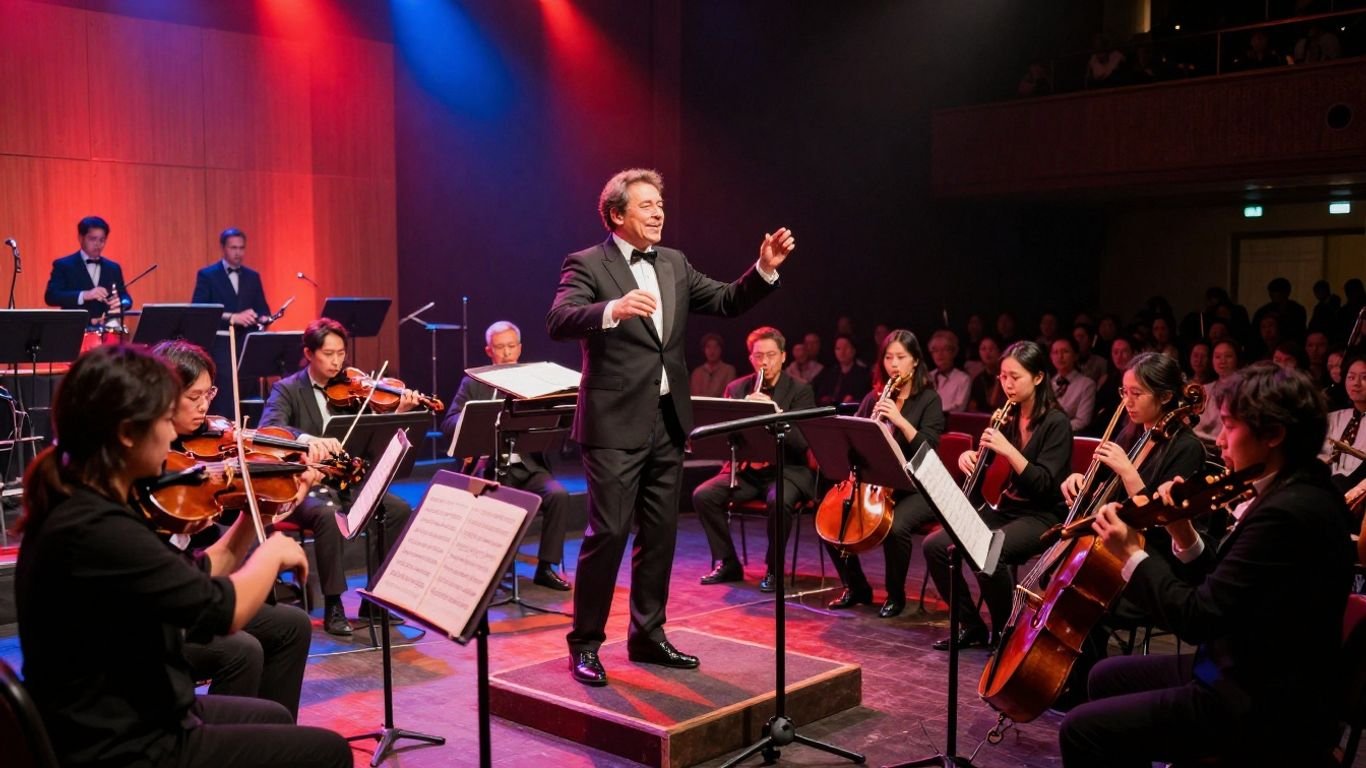
Tradition Takes Center Stage at the 2026 Last Night of the Proms
The 2026 Last Night of the Proms at London’s Royal Albert Hall is examined through the lens of tradition, performance, and belonging. A review connects the event’s familiar rituals with the BBC comedy anthology Inside No. 9, inviting audiences to consider why ceremonies endure—and what they reveal about the communities that keep them alive.
Key takeaways
- The event took place at the Royal Albert Hall as part of the BBC Proms’ celebrated closing tradition.
- Its atmosphere is closely linked to familiar rituals and audience participation.
- Inside No. 9 provides a playful, darker lens through which to view “Last Night of the Proms.”
- The central question is why traditions remain meaningful even as audiences change.
A finale shaped by ritual
The Last Night of the Proms is more than a concert finale. It is a shared occasion built around expectation: audiences arrive knowing that certain moments, sounds, and gestures will define the evening. That predictability is part of the appeal, turning the event into a cultural gathering as much as a musical performance.
The Royal Albert Hall provides an especially powerful setting for that experience. Its scale and history amplify the sense that each year’s celebration belongs to a much larger story, one repeated across generations while still being reinterpreted by the people in the room.
The Inside No. 9 connection
The review draws attention to the Inside No. 9 episode “Last Night of the Proms,” where Dawn explains, “It’s tradition, Oliver. Traditions are important.” The line captures both the comfort and the absurdity of rituals that continue because people feel they should continue.
That reference adds an intriguing layer to the 2026 event. Rather than treating tradition as automatically positive, it encourages viewers to ask who creates these customs, who feels represented by them, and how they might evolve. Those are questions that extend well beyond music.
Why representation matters
At Mixed Nature, we understand tradition as something personal and evolving. For people with mixed-heritage, curly, and coily hair, cultural routines can carry memories of family, identity, and belonging. They can also change as individuals find care practices that better reflect their own texture and experience.
The same principle applies to public celebrations. A tradition remains relevant when people can see themselves within it—not only as observers, but as active participants. Making room for different backgrounds and perspectives does not erase history; it helps ensure that history remains alive rather than becoming a fixed performance of the past.
A familiar finale with room to grow
The 2026 Last Night of the Proms stands as a reminder that tradition works best when it balances continuity with renewal. Its rituals may provide the evening’s recognizable framework, but each audience brings new expectations and interpretations.
That balance—honoring what came before while making space for more inclusive participation—is familiar to anyone navigating natural hair and cultural identity. Like a trusted routine, a beloved public tradition should support people as they are, not ask them to fit a single mold.