
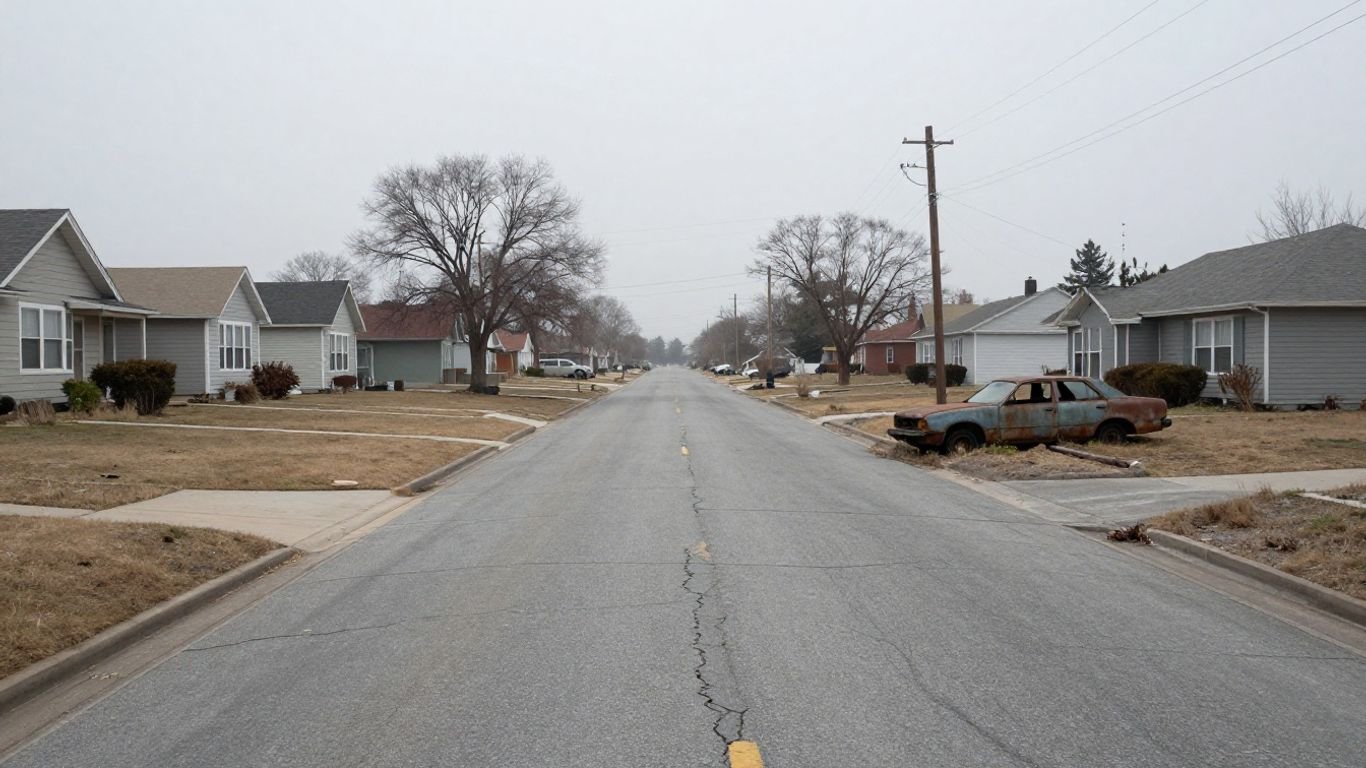
Why America’s Suburban Sprawl Is Being Called a Death Trap
America’s spread-out suburbs are facing renewed criticism as an engine of isolation, inequality, and declining public health. A recent analysis argues that car-dependent development does more than reshape landscapes: it weakens civic life, raises household costs, and contributes to the everyday stress experienced across communities.
Key takeaways
- Suburban sprawl can intensify isolation and reduce opportunities for community connection.
- Car dependence adds financial pressure while limiting access to work, services, and culture.
- Poorly planned environments can influence physical and emotional well-being.
- More walkable, diverse communities may offer a healthier alternative.
The criticism is not aimed at every suburb or at the people who live there. Instead, it focuses on a development pattern that separates homes from schools, workplaces, shops, and public spaces—making a private vehicle essential for ordinary life.
The hidden cost of car-dependent living
Long commutes, expensive vehicle ownership, traffic congestion, and limited public transportation can leave families with fewer hours and fewer resources. For households already managing rising housing, food, and health-care costs, transportation becomes another persistent source of pressure.
The burden is not shared equally. People who cannot drive—including children, older adults, and some disabled residents—may have difficulty reaching jobs, medical appointments, or social activities. In sprawling communities, distance can quietly become a barrier to opportunity.
Sprawl and the loss of civic connection
The analysis also links the physical layout of suburbia to a broader decline in shared public life. When neighborhoods lack sidewalks, gathering places, and accessible commercial centers, residents may spend more time traveling between private spaces and less time encountering one another casually.
That matters because civic trust is often built through repeated, ordinary contact. Libraries, parks, local businesses, schools, and community events can create connections that isolated residential developments struggle to support. A landscape designed primarily for movement by car may leave fewer places for collective life.
Health, identity, and access to community
The environment around a person can shape stress, activity levels, and access to support. This is relevant to Mixed Nature’s community, including people with textured, curly, and coily hair, whose access to culturally aware salons, products, and supportive networks may already depend on traveling across large metropolitan areas.
A more connected neighborhood can make essential services and community spaces easier to reach. It can also support local businesses that understand multicultural needs rather than forcing residents to rely on distant providers or mainstream options that have historically overlooked them.
Rethinking the suburban future
Addressing sprawl does not require abandoning suburban life. Communities can add sidewalks, improve transit, build mixed-use districts, protect green space, and create more housing near schools and services. These changes can preserve neighborhood character while reducing the need to drive for every task.
The broader argument is that design choices have social consequences. If daily life is organized around connection rather than constant travel, communities may become more affordable, healthier, and better equipped to support the varied identities and needs of the people who live in them.