Iran shows the world the limits of US power
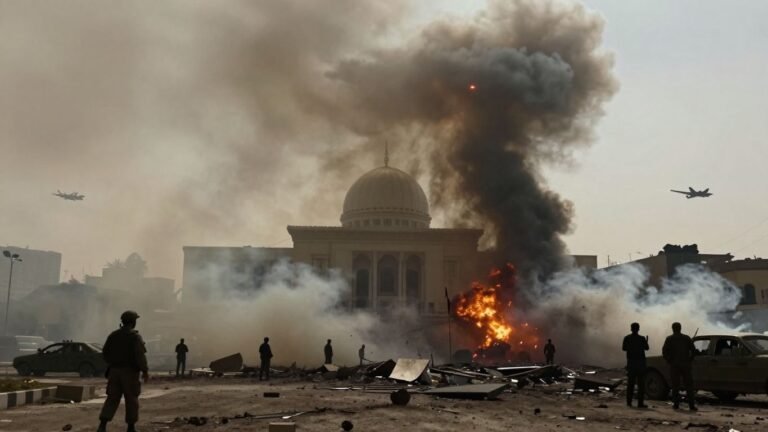
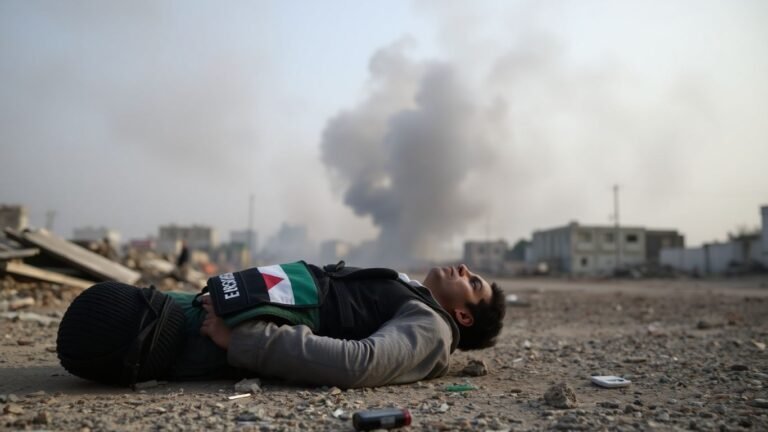
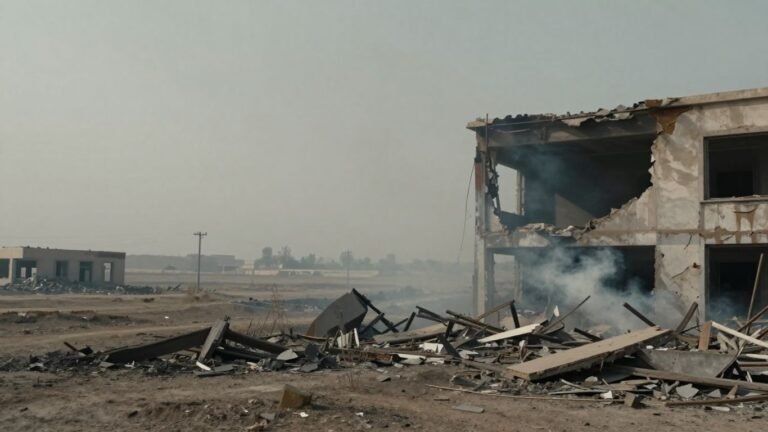
Okay, so the news lately has been all about what’s happening between the US and Iran. It’s a pretty big deal, and honestly, it’s making a lot of people rethink how powerful the US really is on the world stage. This whole situation has been brewing for a while, and it feels like we’re seeing some major shifts. It’s not just about these two countries anymore; it’s got ripples going everywhere. Let’s break down what’s going on and why it matters.
Key Takeaways
- The US attempt to assert dominance in Iran is showing the world that unilateral leadership isn’t working like it used to. Countries aren’t just going along with it anymore.
- Iran’s ability to withstand pressure is surprising many and making people question the effectiveness of US power, especially when escalation risks are so high.
- This conflict is causing a stir globally, making allies nervous and potentially messing with oil prices and the economy. It’s definitely shaking things up.
- The history between the US and Iran is long and complicated, filled with interventions and mistrust, especially concerning Iran’s nuclear program.
- As the US faces limits, other countries like Russia and China are watching closely, recalculating their own moves and potentially changing the global power balance.
The Folly Of American Overreach In Iran
A World No Longer Accepting Unilateral Leadership
It feels like just yesterday, America was the undisputed heavyweight champion of the world, calling all the shots. But let’s be real, that era is fading faster than a cheap suit in the sun. The recent dust-up with Iran is a prime example. We thought we could just waltz in, flex our muscles, and expect everyone to fall in line. Turns out, the world isn’t that simple anymore. Other countries, like Russia and China, are stepping up, and they’re not exactly thrilled about America dictating terms. It’s like trying to run a marathon with everyone else deciding to walk. We’re seeing a global shift, and frankly, trying to force our way isn’t working like it used to. It’s a tough pill to swallow, but the days of America being the sole global boss are over. We need to figure out our place in this new setup, not try to recreate the past.
The Futility Of Restoring Unchallenged Dominance
Look, nobody likes to admit they’re not as strong as they used to be. But the situation with Iran is showing us that trying to go back to the old days of unchallenged American dominance is a losing game. We’ve tried sanctions, we’ve tried pressure, and now we’ve seen direct action. Yet, Iran is still standing. It’s not about whether America can act, but whether our actions actually achieve what we want them to, or if they just make things messier. The idea that we can just impose our will and expect a clean outcome is, well, naive. We need to be realistic about what our power can actually do in a world that’s gotten a lot more complicated. Trying to force our way back to the top is just going to lead to more frustration and less influence. It’s time to face facts: that kind of dominance is a thing of the past.
Painful Lessons For A Nation Unaccustomed To Limits
It’s tough for us Americans to hear, but we’re not used to being told ‘no,’ especially on the world stage. This whole Iran situation is a wake-up call. We’ve always seen ourselves as the problem-solvers, the ones who can fix things with our might. But Iran has shown us that there are limits, and pushing too hard can backfire. It’s like trying to break down a door that’s already locked from the other side. You just end up hurting yourself. We need to learn that sometimes, the best approach isn’t always the most forceful one. This isn’t about weakness; it’s about recognizing reality. The world has changed, and our approach needs to change with it. We’ve got a lot to learn about operating in a world where we’re not the only player with a seat at the table. It’s a hard lesson, but one we desperately need to learn if we want to remain relevant.
Iran’s Resilience Exposes US Weakness
The Unexpected Strength Of The Iranian State
It’s becoming pretty clear that the whole idea of just marching into Iran and expecting them to fold like a cheap suit was a bit of a miscalculation. The Iranian state, despite all the pressure and sanctions, has shown a surprising amount of grit. We’re not talking about a pushover here; this is a country that’s weathered storms before, and it seems they’ve learned a thing or two about survival. The notion that America can simply dictate terms and expect immediate compliance is looking more and more like wishful thinking.
It’s not just about military might, though that’s part of it. Iran has managed to keep its internal systems running, and its ability to project influence through various means, including proxies, remains a significant factor. This isn’t the kind of weakness some folks in Washington probably hoped for. It’s a complex situation, and frankly, it’s making a lot of people in charge scratch their heads.
Escalation Risks And Unthinkable Options
When you push a country like Iran, especially one with a history of defiance, you run into some serious problems. The obvious path of escalating military action gets complicated fast. Nobody wants to see things go nuclear, and that’s a line that seems firmly drawn, at least for now. This leaves the US and its allies in a tough spot, trying to figure out how to achieve their goals without triggering something far worse.
It’s a delicate dance, and the potential for missteps is huge. The options on the table start looking pretty grim when you get past the initial strikes. This is where Iran’s foreign policy challenges really come into play, as they’ve proven adept at making any direct confrontation incredibly costly for their adversaries. It’s a strategic game, and Iran seems to be playing it with a long-term view, even if it means facing ongoing conflict.
A Contradictory Picture Of American Power
What we’re seeing with Iran is, frankly, confusing. On one hand, the US still has immense military and economic power. On the other, its ability to achieve its objectives quickly and decisively seems to be waning. It’s like watching a giant trying to swat a fly with a sledgehammer – a lot of force, but not necessarily effective. This whole situation paints a picture of American power that’s, well, contradictory. It’s not the clear-cut dominance we’ve gotten used to seeing.
This isn’t to say America is weak, not by a long shot. But the world has changed. Other countries are stepping up, and the days of the US being able to act unilaterally without serious pushback or unintended consequences are fading. The events in Iran are just the latest sign of this shift, forcing everyone, including Americans, to reconsider what US power actually looks like in today’s world.
Global Repercussions Of The US Iran Conflict
Anxious Allies And Economic Instability
The recent actions against Iran have certainly got our allies in the Middle East looking over their shoulders. They’re used to America being the steady hand, but this whole situation feels a bit shaky, doesn’t it? It’s like watching a chess game where one player suddenly flips the board. This uncertainty isn’t just about security; it’s hitting their economies too. When there’s a conflict brewing, especially involving a major oil producer, everyone gets nervous. The ripple effect of these geopolitical moves is felt far beyond the immediate conflict zone.
The Impact On Global Oil Prices And Inflation
Let’s talk about something that hits us all right at the pump: gas prices. Iran sits in a pretty critical spot for oil shipping, and when things get tense there, oil prices tend to jump. It’s not just gas, though. Think about everything that needs to be shipped – food, electronics, you name it. Higher fuel costs mean higher prices for pretty much everything we buy. It’s a direct hit to the wallet for regular folks.
Here’s a quick look at how oil prices can react:
| Event Type | Potential Oil Price Impact |
|---|---|
| Major regional conflict | Significant increase |
| Sanctions on Iran | Moderate increase |
| Diplomatic resolution | Decrease or stabilization |
Shifting Alliances And Regional Power Dynamics
This whole mess is also making countries rethink who their friends are. The traditional alliances are being tested. Some nations are getting nervous about the US influence in the Middle East, wondering if we’re still the reliable partner they thought we were. Meanwhile, others might see an opportunity to step up. It’s a complicated dance, and frankly, it feels like the old playbook isn’t working anymore. The US response to Iranian actions has been forceful, but it’s also creating new questions about our long-term strategy and how it affects our standing with allies and adversaries alike. The impact of sanctions on Iran, while intended to cripple their economy, also has broader consequences for regional stability and international trade.
Historical Context Of US Iran Tensions
Decades Of Strained Relations And Proxy Conflicts
The relationship between the United States and Iran is a long, complicated mess, frankly. It didn’t just start yesterday. We’re talking about decades of bad blood, going all the way back to the 1950s. Remember 1953? The U.S. helped orchestrate a coup to get rid of Iran’s prime minister, Mohammed Mosaddeq. Why? Because he wanted to nationalize Iran’s oil industry. The U.S. freaked out, worried other countries would do the same and that Iran might cozy up to the Soviets. This move, though, really planted seeds of resentment that festered for years.
Then came the 1979 revolution. Big time anti-American sentiment exploded. The people kicked out the Shah, who the U.S. had put in power. And what happened that same year? They stormed our embassy in Tehran and held 52 Americans hostage for 444 days. Talk about a low point. Since then, it’s been a constant back-and-forth: arguments over Iran’s nuclear program, sanctions, and all sorts of proxy fights popping up across the Middle East. Oil has always been a big part of this, with Iran being a significant player in global supply.
The Legacy Of Intervention And Anti-American Sentiment
It’s hard to overstate how much past U.S. actions have shaped Iran’s view of us. That 1953 coup wasn’t just a one-off; it set a precedent. For years, the U.S. had a heavy hand in Iranian affairs, which naturally bred suspicion and anger. The revolution in ’79 was a direct reaction to that perceived foreign interference. The hostage crisis cemented this animosity in the minds of many Iranians. It’s a cycle that’s hard to break. Every intervention, every perceived slight, just adds another layer to the distrust. It’s not just about current events; it’s about a deep-seated historical grievance that fuels a lot of the geopolitical tensions between US and Iran.
The narrative in Iran often portrays the U.S. as an interfering power, seeking to control their resources and dictate their internal affairs. This perception, whether entirely accurate or not, is a powerful force shaping public opinion and government policy.
The Nuclear Program As A Persistent Flashpoint
And then there’s the nuclear program. This has been a major sticking point for ages. Back in 2015, the Obama administration struck a deal, the JCPOA, to limit Iran’s nuclear activities in exchange for lifting sanctions. The idea was to stop them from getting a nuclear weapon. But then, President Trump pulled out of the deal in 2018, calling it flawed. He reimposed sanctions, and Iran, predictably, started ramping up its uranium enrichment again. Years of on-again, off-again talks have failed to produce a lasting agreement. This nuclear issue remains a huge source of friction and a primary justification for U.S. involvement in the region, with leaders stating they won’t allow Iran to obtain a nuclear weapon. It’s a constant flashpoint that keeps everyone on edge.
Russia And China’s Strategic Calculations
Hesitation and Indirect Support for Iran
It’s pretty clear that Russia and China aren’t exactly jumping into the fray to help Iran with their own troops. China, especially, seems to be playing it safe, not wanting to get too involved. But we’re hearing reports that Russia is already feeding Iran targeting information. And there are whispers that China might be considering sending spare parts and financial aid. If this conflict keeps going and Iran proves it can hang on, expect both Moscow and Beijing to ramp up their support. It’s a tricky game they’re playing, trying to support Iran without directly confronting the U.S. This kind of indirect backing is a hallmark of how these powers operate now, looking for ways to counter American influence without triggering a full-blown global war. It’s a far cry from the days when America could just dictate terms.
The Specter of Indirect Global Confrontation
What’s really interesting, and frankly a bit worrying, is that if Russia and China do step up their support for Iran, we could be looking at the U.S. indirectly fighting against both of them on two different fronts – Ukraine and now the Middle East. It’s a scenario that sounds like something out of a bad movie, but it’s becoming a real possibility. This isn’t just about Iran anymore; it’s about a much bigger shift in global power dynamics. The idea of a direct clash between major powers is something everyone wants to avoid, but the current situation is pushing us closer to that edge. It makes you wonder what the endgame is here. We’re seeing a complex web of alliances and rivalries playing out, and it’s not always easy to follow.
Balancing Interests in a Shifting World Order
For Russia and China, this situation presents a complex balancing act. They want to push back against American dominance, but they also don’t want to get dragged into a direct conflict. Their support for Iran is likely calculated, aiming to weaken the U.S. without overcommitting themselves. It’s a strategic move in a world that’s clearly moving away from a single superpower calling all the shots. The old order, where the U.S. was the undisputed leader, is fading. We’re seeing new power centers emerge, and countries like Russia and China are positioning themselves accordingly. They’re not looking to replace American leadership with their own, but rather to create a more multipolar world where their own interests are better protected. This shift is happening whether Washington likes it or not, and the Iran conflict is just one piece of that larger puzzle. It’s a sign that the global chessboard is being rearranged, and we’re all just watching to see where the pieces land. The Abraham Accords, for instance, were an attempt to solidify a regional coalition against Iran, showing how deeply divided the region is over Iran’s regional ambitions.
Here’s a look at how their support might manifest:
- Intelligence Sharing: Providing real-time battlefield information.
- Material Support: Supplying weapons, ammunition, or critical components.
- Financial Assistance: Offering economic aid to sustain the Iranian regime.
The current global landscape is evolving rapidly. Powers like Russia and China are carefully weighing their options, seeking to advance their own agendas without provoking direct confrontation with the United States. This cautious approach reflects a broader trend towards a more multipolar world, where American influence is no longer absolute.
The Shifting Global Balance Of Power
America’s Diminishing Role As Global Hegemon
The days of America calling all the shots on the world stage are fading, plain and simple. It’s not about the US disappearing, not by a long shot. But the idea that the world needs American leadership to function? That’s becoming a tough sell. We saw it with the Iran situation – even with all its might, Uncle Sam couldn’t just steamroll a country without serious, messy consequences. It’s like trying to push a boulder uphill; you can do it, but it takes a ton of effort and you might just break something in the process.
The Rise Of Other Centers Of Power
Look around, and you’ll see other countries stepping up. Russia and China, for instance, aren’t just sitting back anymore. They’re making their own moves, looking out for their own interests. This isn’t some sudden thing; it’s been building for a while. Historical events, like Europe being wiped out after World War II and China going through its own internal struggles, gave the US a unique window to take the lead. But those circumstances have changed. Now, we’ve got multiple players with serious clout, and they’re not waiting for permission.
Incorporating The US Into A New Equilibrium
So, what does this mean for the future? It’s not about America becoming irrelevant. It’s about fitting into a new picture. Other major powers will still factor the US into their plans, but not as the undisputed boss. Think of it less like a solo act and more like a complex ensemble. The world is becoming more diverse, and that’s not necessarily a bad thing. It means more voices, more perspectives. The US will still be a player, but it’ll be one among equals, or at least, among a growing number of significant powers. It’s a tough pill to swallow for some, but it’s the reality we’re living in. The old playbook just doesn’t work anymore.
A New Reality for American Power
Look, the whole thing with Iran, it’s shown us something pretty clear. For years, we’ve sort of acted like we could just step in anywhere and fix things, or get our way. But this situation, it’s different. Iran, they’re tough, and they’re not backing down easily. It makes you wonder if we’re still the big boss everyone thinks we are, or if the world’s just moved on. Maybe it’s time we stopped pretending we can run everything and started figuring out what our actual place is. It’s a tough pill to swallow, I get it, but pretending otherwise isn’t helping anyone. We need to be realistic about what we can and can’t do, and maybe that’s a good thing in the long run. It’s a wake-up call, plain and simple.
Frequently Asked Questions
Why is the U.S. involved in conflicts with Iran?
The U.S. has been concerned about Iran’s nuclear program for a long time. They also want to weaken Iran’s current government, which they believe causes problems in the Middle East. The U.S. also supports its ally, Israel, which has its own issues with Iran.
What is the history between the U.S. and Iran?
The U.S. and Iran have a complicated past. In the 1950s, the U.S. helped remove a leader in Iran who wanted to control the country’s oil. Later, during a revolution in 1979, many Iranians became angry with the U.S. and took Americans hostage. Tensions have continued over Iran’s nuclear plans and other issues.
Has the U.S. always been this involved in conflicts with Iran?
Direct U.S. military action has been limited until recently. While tensions have existed for decades, the current situation involves more direct strikes. This is different from past involvement, which often included sanctions or supporting other countries.
How might this conflict affect people in the U.S.?
Even though the conflict is far away, it could impact Americans. If fighting disrupts oil supplies from the Middle East, gas prices could go up. This could also make other everyday items more expensive because shipping costs more.
Are other countries like Russia and China helping Iran?
Russia and China are not directly fighting alongside Iran. However, reports suggest Russia might be giving Iran information to help with targets, and China might be considering sending spare parts or money. They seem to be supporting Iran indirectly, especially if Iran can survive the attacks.
Does this conflict mean the U.S. is losing its power in the world?
This conflict shows that the U.S. can’t always get what it wants easily, even with its strong military. Other countries are becoming more powerful, and the world isn’t just following the U.S.’s lead like before. It suggests the U.S. might need to play a different role in the future, more as an equal among other powerful nations.