How much will the US Goverment Receive from the Boomers once they die?
You hear it everywhere, right? The baby boomers are going to hand over trillions of dollars to their kids and grandkids. It’s this massive “$100T Transfer” that’s supposed to fix everything for younger generations struggling with debt and high costs. But is it really going to happen like everyone thinks? Turns out, the story is a lot more complicated. Many boomers are actually planning to spend their money themselves, and a whole bunch of other factors are at play. Let’s break down what’s really going on with all that wealth.
Key Takeaways
- The idea of a huge ‘$100T Transfer’ from boomers to heirs is largely a media fantasy. Most of this wealth is expected to stay within already wealthy families or be spent by boomers themselves.
- Many boomers are embracing a ‘die with zero’ mindset, prioritizing enjoying their money during their lifetime through travel, experiences, and covering rising healthcare costs.
- Soaring healthcare and long-term care expenses are a major reason boomers are holding onto their wealth, fearing they might outlive their savings.
- Government policies like estate taxes can reduce the amount inherited, and strategic planning by boomers can further minimize the taxable amount passed down.
- Younger generations shouldn’t rely on inheritances for financial security. Building wealth independently through saving, investing, and managing debt is a more reliable strategy.
The Myth of the $100T Transfer: Boomers Keep Their Fortunes
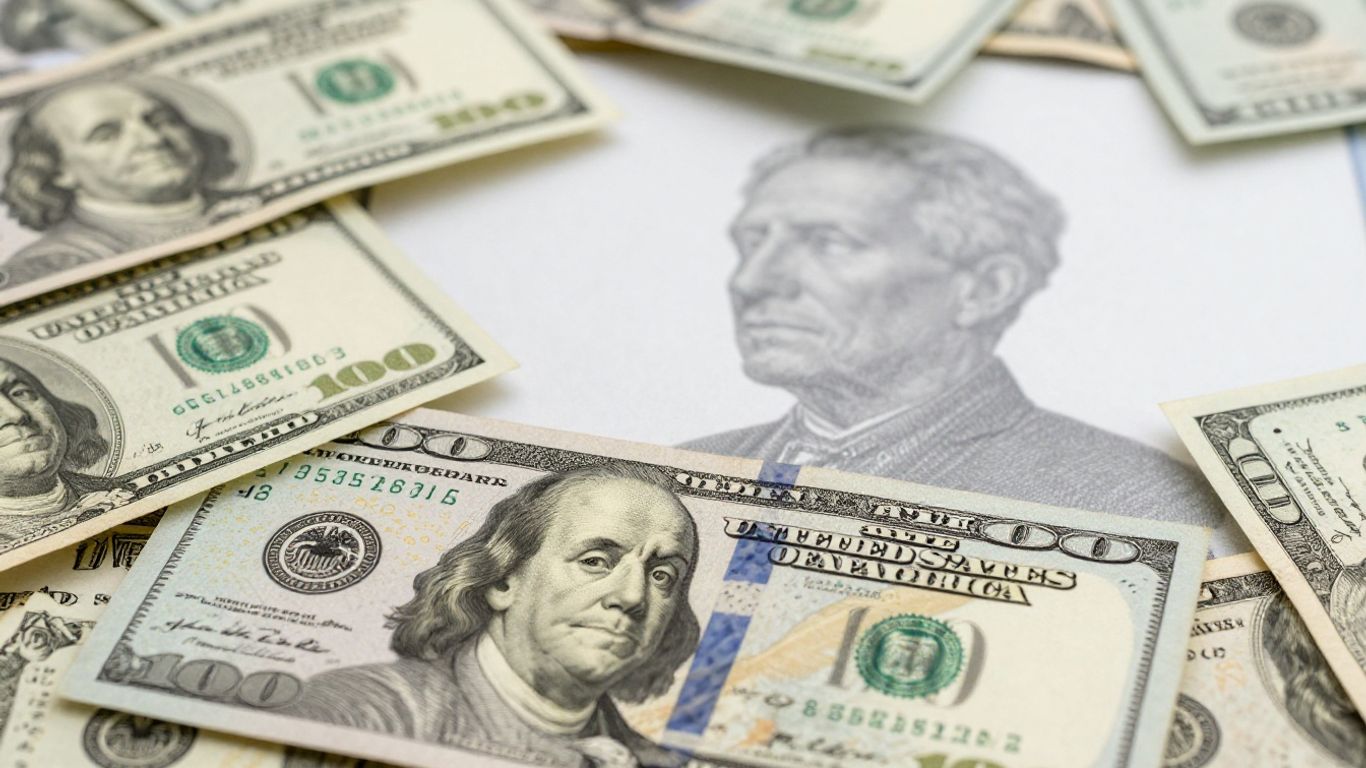
There’s a lot of talk out there, mostly from the media, about a massive amount of money, something like $100 trillion, that’s supposedly going to be handed down from the Baby Boomer generation to their kids. It sounds like a fairy tale, right? A huge windfall that’s going to solve all the financial problems for younger generations. But let’s get real for a second. The reality is a lot different, and frankly, a lot less exciting.
The Great Wealth Transfer: A Media Frenzy
The idea of a "generational wealth transfer" has become a media darling. You see headlines everywhere talking about trillions of dollars set to change hands. It’s a catchy story, especially when younger folks are feeling the pinch with student loans and rising costs. It paints a picture of a future where a big inheritance is just around the corner, a nice little boost from Mom and Dad.
Reality Bites: Where the Money Really Goes
Here’s the kicker: most of that supposed $100 trillion isn’t going to be passed down in lump sums to average families. Reports show that a huge chunk of this wealth is already concentrated among the already well-off. We’re talking about people with millions in assets. So, it’s more like a transfer from one wealthy group to another, not a magic solution for everyone. Plus, a lot of this money is being spent by the boomers themselves before they pass on. A lot of them are embracing the "die with zero" idea, wanting to enjoy the fruits of their labor. It’s not selfish, it’s just… living.
Boomers’ Wealth: A Product of Their Time
Let’s face it, the Boomer generation had a different economic landscape. They benefited from a booming economy, affordable housing, and a more stable job market. They had the time and the opportunity to build significant wealth. It wasn’t just luck; it was a combination of good timing and smart decisions. Now, they’re looking to enjoy the retirement they worked hard for. They’re not necessarily hoarding wealth out of spite, but out of a desire to live comfortably and cover their own needs, especially with healthcare costs being what they are. It’s about financial independence for themselves, not just setting up heirs. This shift in priorities means the massive inheritance story is largely a myth, and younger generations need to plan accordingly, perhaps by looking into defense technology investments if they’re looking for growth opportunities.
Boomers’ Golden Years: Spending, Not Saving for Heirs
Forget the fairy tale of a massive inheritance landing in your lap. Many Baby Boomers are looking at their retirement years and thinking, "I’ve worked hard for this, and I plan to enjoy it." It’s not about being selfish; it’s about finally getting to live a little after decades of hard work and, let’s be honest, paying into a system that doesn’t always pay back. The whole idea that parents accumulate wealth solely to pass it down is really fading fast.
The ‘Die With Zero’ Movement Gains Traction
There’s a growing trend, sometimes called "die with zero," where folks are aiming to spend down their assets while they’re still around to enjoy them. Why leave a pile of money for someone else when you could use it for that dream trip, a new hobby, or just to live comfortably without constantly worrying about every penny? A lot of Boomers feel they’ve earned this right. It’s a shift from the old way of thinking, where hoarding wealth for heirs was the norm. Now, it’s more about financial independence and making the most of the time you have left. It’s not about being stingy; it’s about living fully.
Prioritizing Present Enjoyment Over Future Legacies
Many Boomers are realizing that life is short. After years of saving, investing, and raising families, they want to reap the rewards. This means prioritizing experiences and comfort now, rather than meticulously planning for a future inheritance that might not even materialize as expected. It’s a personal choice, and frankly, they’ve earned the right to make it. The idea that they owe their kids a certain amount of money is just not how many are seeing it anymore. They’re looking at their own needs and wants in retirement.
Financial Independence: A Boomer’s Right
For many in this generation, financial independence means having the freedom to spend their money as they see fit. This includes covering the rising costs of healthcare and long-term care, which are significant concerns. It’s not uncommon for Boomers to want to ensure their own security and comfort before considering what, if anything, is left over. The government’s role in potential estate tax on baby boomer inheritance is also a factor, as some may spend down assets to reduce that burden. Many are simply focused on enjoying the fruits of their labor, and that’s perfectly reasonable. After all, they built a lot of this country’s wealth, and they want to enjoy it too. It’s about living life on their own terms, not according to someone else’s expectations about inheritance laws worldwide.
- Spending on experiences: Travel, hobbies, and enjoying leisure time.
- Healthcare costs: Covering medical expenses and potential long-term care needs.
- Quality of life: Ensuring comfort and security in their later years.
The focus is shifting from leaving a large sum behind to ensuring a fulfilling and secure retirement for themselves. This isn’t about neglecting heirs; it’s about self-preservation and enjoying earned prosperity.
The Real Reason Boomers Are Holding Onto Their Wealth
Folks talk a lot about the big money baby boomers are supposed to leave behind, this massive "boomer wealth transfer to government" idea. But let’s get real for a second. It’s not like these guys are just sitting on piles of cash with no plan. There are some pretty solid reasons why they’re holding onto their fortunes, and it’s not just about being greedy.
Soaring Healthcare and Long-Term Care Costs
This is a big one. You can’t just ignore the fact that living longer costs money. A lot of money. We’re talking about healthcare bills that can skyrocket, especially when you hit retirement age. And then there’s the whole long-term care situation. It’s expensive, plain and simple. Many boomers are looking at these costs and thinking, "I need to make sure I have enough to cover this myself before I even think about leaving anything behind." It’s a practical concern, not some grand scheme to keep wealth from younger generations. The numbers are pretty stark:
| Expense Category | Estimated Cost (Annual) |
|---|---|
| Average Healthcare Costs | $16,000+ |
| Long-Term Care (Nursing Home) | $100,000+ |
It’s a tough pill to swallow, but planning for these expenses means less is available to pass on. This is a major factor in understanding how much wealth will boomers leave behind.
Fear of Outliving Their Savings
Linked to the healthcare costs is the genuine fear of running out of money. Nobody wants to be in their golden years and suddenly realize they can’t afford basic necessities. Boomers have seen economic ups and downs, and they remember times when financial security wasn’t a given. They worked hard for what they have, and they want to enjoy it without constantly worrying about the bottom falling out. This isn’t about hoarding; it’s about self-preservation. They’ve earned their financial independence, and frankly, they want to use it. It’s a mindset shift, moving away from the idea of leaving a massive inheritance towards enjoying life now. This is a key part of the "die with zero" philosophy that’s gaining traction.
The High Price of Aging in America
Let’s face it, the cost of living, especially as you get older, is no joke. Beyond healthcare, there are property taxes, home maintenance, and just the general cost of staying afloat. Many boomers own homes, and those homes are often their biggest assets. But selling them isn’t always the easy answer. They might be staying put for comfort, familiarity, or because they don’t want to deal with the hassle of moving. Plus, with the current housing market, it’s not always a seller’s paradise, especially if they need to downsize and buy somewhere else. The idea that boomers are just sitting on assets like real estate, preventing younger generations from buying homes, is a bit simplistic. They’re often using that equity for their own security and comfort. It’s a complex situation, and the government’s role in all this, through taxes and social programs, is also a factor to consider when looking at the overall boomer wealth transfer to government. It’s not as simple as just waiting for the money to appear.
Government’s Stake: Taxes and the Shrinking Inheritance
Let’s talk about the government’s cut. When people hear about the massive wealth boomers supposedly have, they often assume a big chunk goes to Uncle Sam. But the reality is, the government’s take is often much smaller than you’d think, thanks to a few key factors. It’s not quite the goldmine some folks imagine.
Estate Taxes: A Bite Out of the Boomer Bonanza
The federal estate tax is designed to tax fortunes when someone passes away. However, the exemption amounts are pretty high. For 2024, an individual can pass on over $13 million without triggering federal estate taxes. For married couples, that’s double. This means only the truly colossal fortunes are even subject to this tax. Most families, even those with significant assets, won’t see their inheritance diminished by federal estate taxes. It’s a system that, frankly, benefits the wealthy and leaves most regular families untouched.
State Taxes Add Another Layer of Complexity
On top of federal taxes, some states have their own estate or inheritance taxes. This can definitely add another layer of complexity and cost. However, not all states have these taxes, and the rates and exemptions vary wildly. Some states have no estate tax at all, while others might have a much lower threshold than the federal government. It really depends on where you live and where the deceased lived. This patchwork of rules means there’s no one-size-fits-all answer to how much state tax might be due.
Loopholes and Strategies: Minimizing the Tax Burden
It’s no secret that many wealthy individuals and families employ strategies to minimize their tax obligations. This can include things like gifting assets during their lifetime, setting up trusts, or making charitable donations. These aren’t necessarily shady dealings; they’re often legal ways to manage wealth and reduce the taxable estate. The government’s potential take can be significantly reduced through careful planning, often well before the end of life. It’s a smart move for those who can afford the planning, but it further shrinks the amount that might otherwise be subject to taxes. For those looking into potential inheritance tax policies, understanding these strategies is key understanding potential tax policies.
The idea that a huge portion of boomer wealth will automatically flow to the government upon death is largely a myth. High exemption limits and various planning strategies mean the actual tax burden is often far less than anticipated, leaving more for heirs or other beneficiaries.
The Boomer Real Estate Lock-Up: A Barrier to Younger Generations
It’s no secret that Baby Boomers have accumulated a significant amount of wealth, and a big chunk of that is tied up in real estate. We’re talking trillions of dollars in home equity. But here’s the kicker: many of them aren’t planning on selling anytime soon. This isn’t just a minor inconvenience; it’s creating a serious roadblock for younger generations trying to get a foothold in the housing market.
Homeownership Out of Reach for Millennials and Gen Z
For Millennials and Gen Z, the dream of homeownership feels more like a fantasy these days. Prices have shot up, and it seems like there are never enough homes on the market. A big reason for this is that a huge percentage of Boomers, who own a massive chunk of the nation’s homes, are choosing to stay put. They’ve got equity, sure, but they’re not freeing up that inventory for the next generation. It’s like a game of musical chairs, but the music never stops for those trying to find a seat.
Trillions in Home Equity Remain Untapped
Think about it: Boomers are sitting on an estimated $17 trillion in home equity. That’s a staggering amount of wealth. But instead of that wealth circulating and helping younger folks get started, it’s largely locked up. Many Boomers aren’t selling because they either need the security, or frankly, they just like their homes. It’s understandable from their perspective, but the economic impact is undeniable. This lack of available housing stock drives prices even higher, making it harder for younger families to even consider buying.
The Impact on Housing Affordability
This whole situation directly impacts housing affordability. When supply is artificially low because older generations aren’t selling, demand stays high, and prices just keep climbing. It creates a cycle where younger people, often burdened with student debt and facing stagnant wages, can’t compete. They might be looking at homes that are simply out of their price range, even with a decent income. It’s a tough pill to swallow when you see so much value tied up, but not accessible. Some experts suggest that stricter capital rules might eventually affect the market, but for now, the Boomer real estate lock-up is a major factor impacting financial resilience.
- Fewer homes available for sale.
- Increased competition among buyers.
- Higher down payment requirements.
- Longer waiting periods for potential buyers.
The current housing market dynamics, heavily influenced by Boomer real estate holdings, are creating significant challenges for younger generations seeking homeownership. This isn’t just about personal preference; it’s about the broader economic landscape and how wealth is distributed across generations.
This isn’t just about Boomers being selfish. Many are worried about outliving their savings, especially with rising healthcare and long-term care costs. Fidelity estimates a 65-year-old could spend $165,000 on healthcare alone in retirement. Add in the potential need for assisted living or nursing care, and it’s clear why they might be hesitant to sell and spend down their assets. They’ve worked hard, and they want to make sure they’re secure. But the consequence is a tighter housing market for everyone else. It’s a complex issue with no easy answers, but the reality is, younger generations are feeling the pinch.
The Generational Wealth Gap: A Widening Chasm
It’s pretty clear that younger generations, like Millennials and Gen Z, are facing a tougher economic climb than their parents did. We’re talking about a real wealth gap here, and it’s not just a little bit of a difference. It’s a chasm, and it’s getting wider.
Millennials and Gen Z Face Economic Headwinds
Look, it’s not like these younger folks aren’t working hard. They are. But they’re dealing with a lot more baggage. Student loan debt is a huge anchor, dragging down their ability to save or even think about buying a house. Plus, the cost of just about everything has gone up, while wages haven’t exactly kept pace. It feels like they’re running on a treadmill, putting in a lot of effort but not getting much further ahead.
Student Debt and Rising Costs Hamper Progress
This isn’t just about wanting more stuff; it’s about basic financial security. When you’re staring down tens of thousands in student loans, and rent is through the roof, saving for a down payment or retirement feels like a pipe dream. It’s a cycle that’s hard to break, and it’s leaving many feeling stuck. This situation makes the idea of a big intergenerational wealth transfer and taxes playing a major role in their future seem more like a fairy tale than a solid plan.
The Illusion of a Guaranteed Inheritance
Many younger people might be counting on an inheritance, but that’s a risky bet. The reality is, a lot of that so-called “boomer wealth” is tied up in things like homes that aren’t being sold, or it’s being spent on healthcare and living expenses. Plus, even when money is passed down, taxes can take a big chunk. It’s not the guaranteed windfall many might imagine. The truth is, relying on what your parents or grandparents might leave you is not a sound financial strategy.
- Student Loan Burden: A significant portion of younger adults carry substantial student debt.
- Housing Affordability Crisis: Homeownership is increasingly out of reach due to high prices and limited inventory.
- Wage Stagnation: Income growth has not kept pace with the rising cost of living.
The concentration of wealth among older generations, coupled with the economic challenges faced by younger ones, creates a significant disparity. This isn’t just about who has more money now; it’s about the future economic mobility and security of entire generations.
It’s a tough situation, and frankly, it’s not something that’s going to fix itself overnight. We’re seeing a real shift in how wealth is held and transferred, and it’s leaving a lot of people behind. For those worried about their own financial future, looking at what older Americans hold might offer some insight into the concentration of wealth among the elderly. It’s a complex picture, and one that deserves a closer look.
Why Younger Generations Shouldn’t Bank on Boomer Windfalls

Look, nobody likes talking about money, especially when it involves what happens after we’re gone. But the whole idea that a massive pile of cash is just waiting for Millennials and Gen Z from their Boomer parents? It’s starting to look more like a fairy tale than a financial plan. A lot of folks in the older generation are realizing they worked hard for their money, and frankly, they want to enjoy it themselves. It’s not about being stingy; it’s about living their lives after decades of work.
Inheritance: A Bonus, Not a Financial Plan
The truth is, the so-called "Great Wealth Transfer" isn’t guaranteed. Many Boomers are embracing a "die with zero" mentality, meaning they plan to spend their savings while they’re still around. Surveys show a significant chunk of Boomers would rather enjoy their money now than leave it behind. This isn’t some new, radical idea; it’s a natural progression for people who feel they’ve earned the right to their own comfort. Relying on an inheritance is like betting on the lottery – you might win, but it’s a terrible strategy for building your own future. Instead, focus on what you can control.
Building Wealth on Your Own Terms
So, what’s the answer for younger generations? Stop waiting around for a windfall. The real path to financial security is paved with your own efforts. Start saving and investing early, even if it’s just a little bit. Pay down debt aggressively, build up an emergency fund, and look for ways to increase your income. Blaming the previous generation won’t get you anywhere. Your financial independence has to come from your own choices and smart money moves. Any inheritance that might come your way should be seen as a nice surprise, not the foundation of your financial life. It’s about taking charge of your own destiny, not hoping for someone else’s leftovers. Building wealth on your own terms is the only reliable way forward.
The Dangers of Relying on Unforeseen Generosity
Let’s be blunt: expecting an inheritance can actually hurt your own financial progress. It can lead to complacency, delaying important steps like saving or investing because you’re counting on future money. This reliance can create a dependency that leaves you vulnerable if those expectations aren’t met. Think about the rising costs of everything – housing, healthcare, education. These aren’t going away. If you’re not actively building your own financial base, you’re setting yourself up for a tough time. The numbers don’t lie; many younger Americans are already facing economic headwinds, and hoping for a Boomer handout isn’t a solution. It’s time to get real and focus on building your own financial strength. This shift in Boomer attitudes could have broad economic impacts, affecting everything from housing markets to small business growth. Understanding these trends is key for anyone looking to secure their financial future, and it’s important to prepare for this shift by understanding the key trends.
The idea that parents accumulate wealth solely to pass it down is fading. Many Boomers are prioritizing their own quality of life in retirement, a decision that makes sense after decades of hard work and saving. This isn’t a snub to younger generations; it’s a personal choice about how to best enjoy the fruits of their labor.
The Economic Ripple Effect: Boomers’ Choices Shape the Future
Look, it’s not just about who gets what when someone passes on. The choices baby boomers are making with their money right now are actually changing the economy for everyone else, especially younger folks. It’s like a big wave that’s already started, and we’re all feeling the splash.
Stagnant Housing Market and Limited Mobility
One of the biggest things is housing. Boomers own a ton of homes, like, a lot. And many of them aren’t planning to sell anytime soon. This isn’t just about them staying put; it means fewer houses are available for younger people trying to buy their first place. Prices just keep climbing because there’s not enough supply. It’s a real bottleneck.
- Boomers own a significant portion of U.S. homes.
- A large percentage plan to stay in their homes long-term.
- This directly impacts housing affordability for younger generations.
Reduced Entrepreneurship and Investment
When a generation holds onto so much wealth, it can also slow down new businesses and investments. Think about it: if established players aren’t selling assets or making them available, it’s harder for new entrepreneurs to get started or for capital to flow into new ventures. This can lead to a less dynamic economy overall. It’s not necessarily intentional, but it’s a consequence.
The concentration of wealth in one demographic can stifle the kind of economic churn that creates opportunities for everyone.
The Unintended Consequences of Wealth Hoarding
This isn’t about blaming anyone. It’s just about looking at what happens when a huge chunk of the population has a lot of assets and isn’t in a rush to move them. It affects everything from the housing market to how easy it is for new businesses to get off the ground. The idea of a massive wealth transfer is one thing, but the day-to-day economic reality shaped by current choices is another. We’re seeing a situation where trillions in home equity remain untapped, which has ripple effects far beyond individual families. It’s a complex situation with no easy answers, and it’s shaping the financial landscape for decades to come.
The Silent Wealth Transfer: Families Avoid the Money Talk
Taboo Topics: Why Inheritance Conversations Are Avoided
Let’s be honest, talking about money is tough. And when it comes to what happens after we’re gone, it gets even harder. For a lot of families, especially those with Baby Boomers at the helm, the whole topic of inheritance is just… avoided. It’s like this big, unspoken elephant in the room. Surveys show a significant chunk of Americans, over a third in some reports, don’t even plan on discussing wealth transfer with their families. Think about that. That’s a lot of people just hoping for the best, assuming everyone’s on the same page.
Assumptions Lead to Financial Surprises
This silence, this avoidance, it breeds assumptions. Kids might be expecting a nice little nest egg, a financial safety net that their parents have been quietly building. But what if those parents have a different plan? Maybe they’re embracing the "die with zero" philosophy, wanting to enjoy every last dollar themselves. Or perhaps unexpected costs, like healthcare, have eaten into those savings. Without open communication, these assumptions can lead to some pretty nasty financial surprises when it’s too late to ask questions. It’s not just about the money itself, but the dashed expectations and the potential for family friction.
The Emotional Toll of Unspoken Financial Matters
Inheritance isn’t just about cold, hard cash. For many, it’s tied up in feelings, in legacy, in the last tangible connection to a loved one. When the reality of an inheritance doesn’t match the unspoken expectations, it can cause real emotional damage. Families can end up divided, resentful, and confused. It’s a shame because a little bit of upfront honesty, even if it’s uncomfortable, could prevent a lot of heartache down the road. It’s about setting realistic expectations and understanding each other’s financial realities. The truth is, open conversations about wealth transfer are probably the best thing for everyone involved, preventing potential issues before they even arise. It’s a conversation that needs to happen, and it’s never too early to start planning for the future, even if that means acknowledging that the expected generational wealth transfer might not be as substantial as some believe.
- The "Die With Zero" Mindset: Many Boomers are choosing to spend their wealth now, prioritizing experiences and enjoyment over leaving large inheritances.
- Unexpected Costs: Rising healthcare and long-term care expenses can significantly impact the amount of wealth available to pass on.
- Lack of Planning: A surprising number of older adults haven’t even created a will, leaving heirs uncertain about their intentions.
Avoiding these conversations doesn’t make the financial realities disappear. It just makes the eventual reckoning more painful for everyone involved. Honesty, even when difficult, is the only way to truly prepare families for what’s ahead.
The Government’s Share: What Happens When Boomers Can’t Pay?
So, what happens when the money runs out for the Boomers? It’s not quite the massive windfall for Uncle Sam that some might imagine. While there are taxes, sure, the reality is a bit more complicated, and frankly, less profitable for the government than you’d think. Many folks seem to believe that when Boomers pass, the government swoops in and collects a huge chunk. But that’s mostly a myth, especially when you look at the actual costs of aging.
Medicaid and Government Assistance for the Elderly
When Boomers start needing significant care, especially long-term care, the government often steps in. Medicaid is a big one here. It’s designed to help those with limited income and assets. This means that a lot of the wealth accumulated by Boomers might actually be spent down on their own care before they pass, rather than being left for heirs or taxed heavily. It’s a safety net, but it also means less is left over for the government to claim later. Think about it: if Medicaid is paying for nursing home care, that’s money that isn’t going into an estate to be taxed. It’s a complex system, and it often means the government is paying out during a person’s life, not just collecting after.
The True Cost of Long-Term Care
Long-term care is the real budget-buster for seniors. We’re talking about assisted living, nursing homes, and in-home care. These costs are astronomical. For instance, a private room in a nursing home can easily run over $100,000 a year. Most Boomers aren’t sitting on that kind of cash lying around, especially after decades of rising healthcare expenses. Many have to tap into their savings, sell assets, or rely on programs like Medicaid. This spending directly reduces the size of their estate. So, the idea of a massive inheritance tax collection is often just not realistic because the money is already gone, spent on necessary care. It’s a tough pill to swallow, but the costs of aging are a significant factor in why there isn’t a huge pot of gold left for the government to claim. This is a major reason why the projected US government revenue from deceased boomers is often overstated.
Is It Really a Generational Transfer?
When you look at the whole picture, it’s hard to call what happens a true ‘generational transfer’ in the way many people think about it. A lot of the wealth Boomers have is tied up in homes they aren’t selling, or it’s being spent on their own needs. And when government assistance like Medicaid kicks in, it’s essentially the government footing the bill for a significant portion of elder care. This isn’t about passing down fortunes; it’s about managing the costs of an aging population. The government’s involvement, especially through programs like Medicaid, means that much of the wealth is consumed by care costs rather than being passed on or taxed. It’s a system designed to support seniors, but it also means the government’s take from estates is often much smaller than anticipated. We need to be realistic about the financial realities facing seniors and the role of government programs in their later years. It’s a far cry from the massive influx of cash some might expect. For a look at how government finances work in other contexts, consider the economic situation in Argentina.
The narrative of a massive government payday from deceased Boomers often overlooks the reality of elder care costs and government assistance programs that consume wealth before it can be taxed or inherited. The system is designed to support seniors, which inherently reduces the taxable estate.
So, What Does This All Mean?
Look, the whole idea of a massive government windfall from boomers dying off? It’s not really panning out like some folks might have hoped. Most of that money, the trillions everyone talks about, isn’t going to end up with Uncle Sam. It’s mostly staying within families, and even then, a lot of it is being spent by the boomers themselves while they’re still around. They worked hard, they earned it, and frankly, they want to enjoy it. Plus, with healthcare costs these days, a lot of that money is just going to cover their own needs. So, if you’re counting on some big inheritance to solve your problems, you might want to rethink that. It’s probably smarter to focus on building your own financial future, rather than waiting for a handout that might never come. The government isn’t getting rich off of dead boomers, and neither are most of the younger generations, it seems.
Frequently Asked Questions
Will baby boomers really pass down trillions of dollars?
While it’s true that baby boomers have a lot of money, the idea that they’ll pass down tens of trillions to their kids and grandkids isn’t as simple as it sounds. Many boomers are choosing to spend their money while they’re alive, and high costs like healthcare mean there might be less left over than people expect. A lot of the money that is passed down often goes from one wealthy person to another, not necessarily to those who need it most.
Why are baby boomers keeping their money instead of giving it away?
There are a few big reasons. Many boomers want to enjoy their retirement and use their savings for travel, hobbies, or simply to live comfortably. They also face rising costs for healthcare and long-term care, which can eat up savings quickly. Some people also follow a “die with zero” idea, meaning they want to use all their money themselves before they pass away.
How much do baby boomers actually have?
Baby boomers, who are a large part of the population, hold a significant amount of the country’s wealth. They have a lot of money in things like homes, stocks, and businesses. Some estimates say they control about half of all the wealth in the U.S. But how much of that actually gets passed down is the big question.
Are taxes going to take a big chunk of what boomers leave behind?
Yes, taxes can play a role. Estate taxes, which are taxes on the money and property someone leaves behind when they die, can reduce the amount heirs receive. Different states also have their own inheritance or estate taxes. Some boomers try to lower these taxes by giving money away or spending it before they die.
How does this affect younger generations like Millennials and Gen Z?
Younger generations might not get the large inheritances they were counting on. Many are dealing with student loan debt and the high cost of living, making it hard to save. If they can’t rely on inheritance for things like buying a house, it can make it even harder for them to build their own wealth and achieve financial security, widening the gap between the rich and everyone else.
What does ‘die with zero’ mean for inheritance?
The ‘die with zero’ idea means people want to spend all their money and enjoy their lives to the fullest before they pass away. Instead of saving and leaving money for their children, they focus on using their savings for experiences and comfort during their lifetime. This means less money is likely to be left as an inheritance.
Are baby boomers holding onto their homes?
Many baby boomers own homes and are choosing not to sell them. This can make it harder for younger people to buy homes because there are fewer available. With a lot of money tied up in home equity, boomers are keeping these assets, which affects the housing market and affordability for others.
What happens if boomers run out of money before they die?
If baby boomers spend down their savings and can no longer afford healthcare or long-term care, they might need government assistance, like Medicaid. This means their money would go towards their care costs rather than being passed down as an inheritance. In many cases, the high cost of aging can use up savings, meaning there’s little left to transfer.