
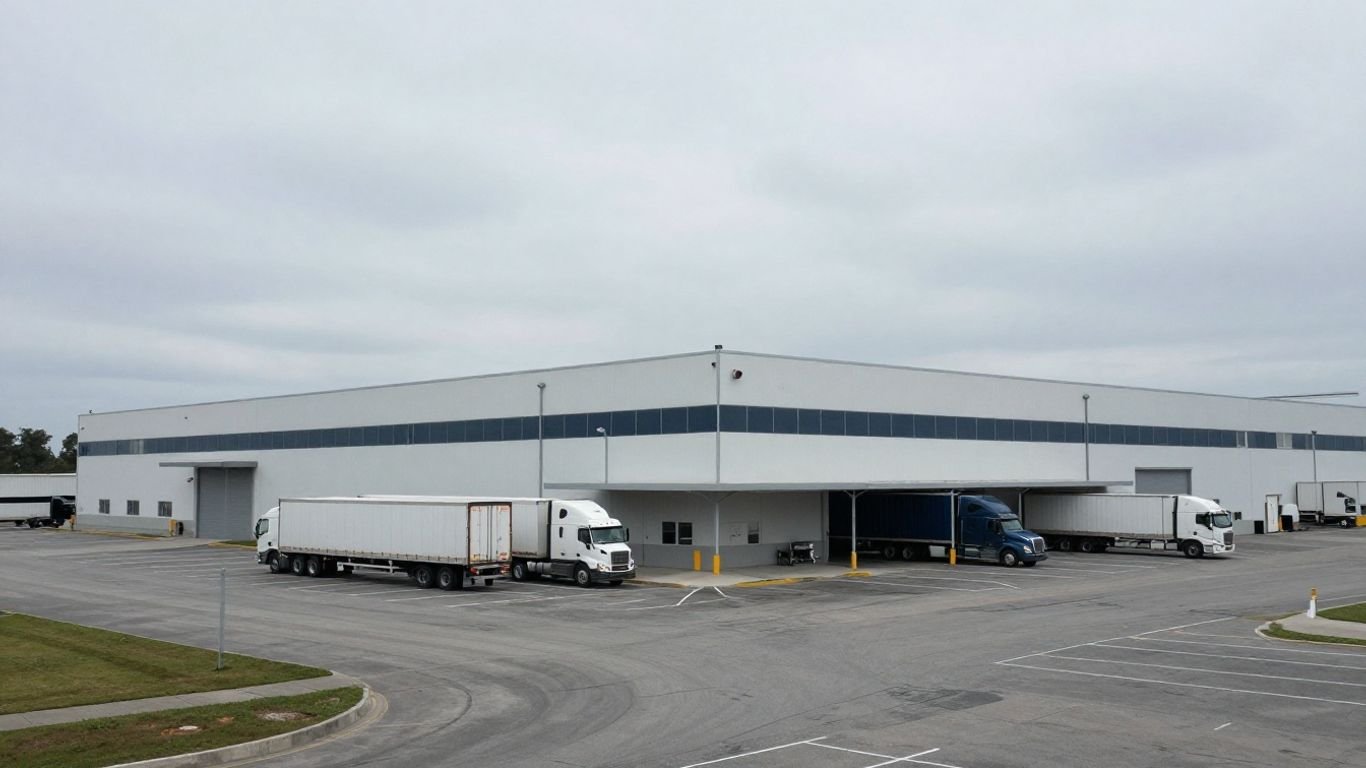
Ohio battery plant extends layoffs as electric vehicle demand cools
General Motors and LG Energy Solution’s joint battery cell venture in northeast Ohio has announced a delay in the return of hundreds of workers. This decision, driven by a persistent soft spot in electric vehicle demand, highlights the growing pains currently facing the automotive industry as it attempts to scale up electrification efforts. ### Key takeaways * Ultium Cells has extended the layoff period for hundreds of employees at its Ohio facility. * The move is a direct response to lower-than-anticipated consumer interest in current electric vehicle models. * Automakers across the sector are re-evaluating production targets to better align with current market fluctuations. ### Market pressures and production delays The automotive sector has experienced a shifting landscape in recent months, with many manufacturers finding that the initial excitement surrounding electric vehicle adoption is clashing with the realities of market infrastructure and buyer hesitation. By curbing output at the Ultium Cells plant in Ohio, the joint venture is prioritizing inventory stability over aggressive volume targets. This decision serves as a bellwether for the broader supply chain, where component suppliers are often the first to feel the impact of shifting consumer trends. ### Impact on the local workforce The delay in bringing workers back to the production floor creates a period of uncertainty for the regional workforce. For the hundreds of employees affected by the extended layoff, the situation emphasizes the volatility inherent in transitioning to high-tech manufacturing industries. Local labor groups and economic observers are closely monitoring the situation, noting that while electrification remains a long-term goal, short-term economic factors continue to influence factory operation schedules significantly. ### The road ahead for EV manufacturing Experts suggest that this pause in production is likely a tactical adjustment rather than a departure from long-term EV goals. As battery technology continues to evolve and infrastructure like charging stations becomes more accessible, manufacturers remain optimistic about future demand. However, until these markers reach a critical tipping point in consumer engagement, individual plants are likely to maintain flexibility, adopting varying production cadences to navigate the current transitional phase of the automotive market.