DRC Moves to Tighten Grip on Geological Data Behind Future Mining Discoveries
The Democratic Republic of Congo plans to strengthen state control over geological information used to identify potential mineral deposits, a move that could reshape mining exploration and investment. The proposed approach would give authorities greater influence over data that helps determine where billions of dollars may be committed to future copper, cobalt, lithium and other mineral projects.
Key takeaways
The reported policy direction could affect how mining companies access, analyze and commercialize geological information in the DRC.
- The government wants tighter oversight of geological data.
- Exploration companies may face new rules around access and use.
- The policy could increase state influence over future mineral development.
- Investors may seek greater clarity on ownership, licensing and disclosure requirements.
Why geological data matters
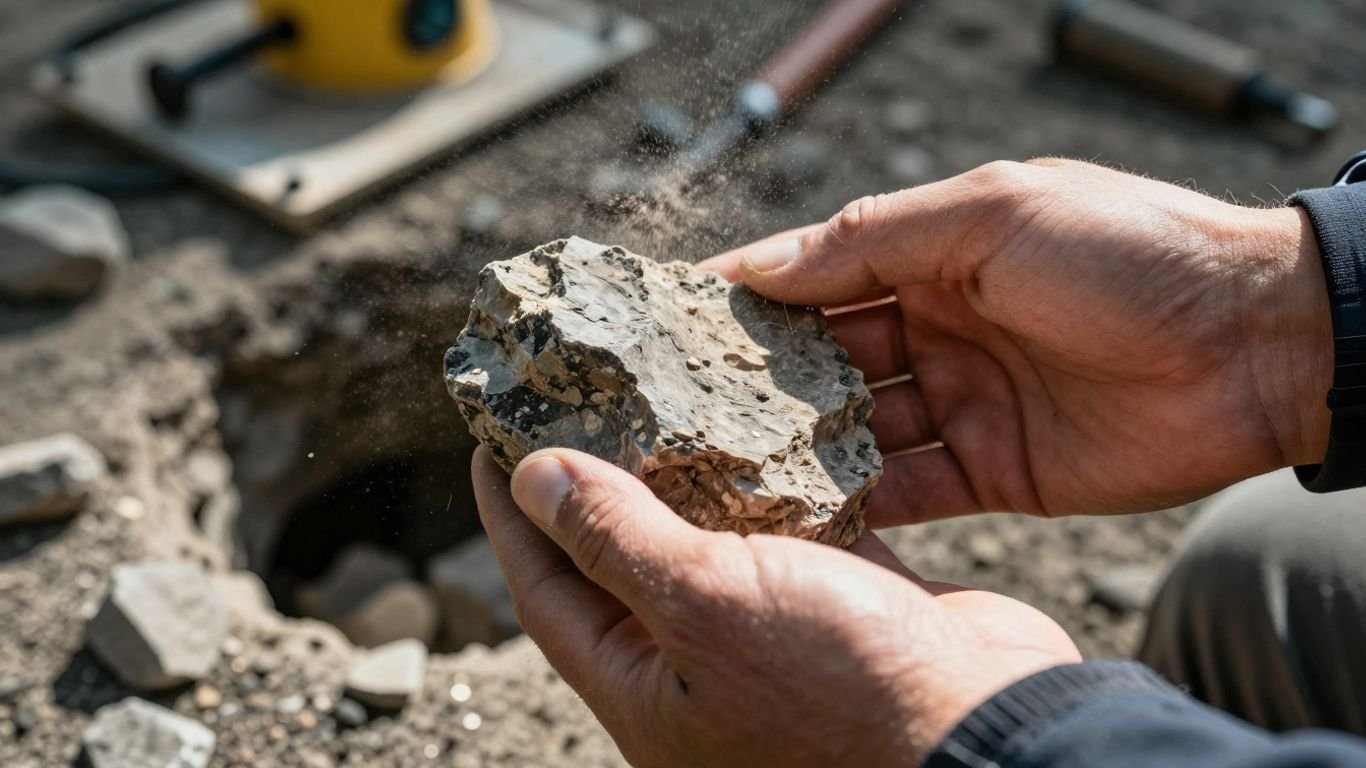
Geological surveys reduce the uncertainty involved in mining exploration. Information about rock formations, mineral concentrations and underground structures helps companies decide where to drill, how much to invest and whether a discovery could become commercially viable.
For the DRC, which holds some of the world’s most important deposits of copper and cobalt, control over this information has strategic value. Better data can attract investment, but it can also give the holder leverage in negotiations over licenses, partnerships and project development.
A broader push for state influence
Tightening control over geological information would fit a wider effort by the Congolese government to play a more direct role in the country’s mineral sector. Authorities have increasingly emphasized national benefit, greater transparency and stronger oversight of strategic resources.
The policy could allow the state to coordinate exploration more closely and limit the risk that private companies gain exclusive advantages from publicly generated information. It may also help officials identify promising areas before granting exploration or production rights.
Potential impact on mining companies
Mining firms could face additional requirements to obtain, share or receive approval for geological data. Depending on how the rules are implemented, companies may need to revise exploration agreements, data-management practices and investment timelines.
Clear regulations would be important for maintaining investor confidence. Companies generally need to know whether information is publicly available, who owns newly collected data and whether data can be used across projects or transferred to partners. Uncertainty could slow exploration, while predictable rules could support more disciplined investment.
Balancing sovereignty and investment
The DRC’s challenge will be to strengthen national control without discouraging the exploration spending needed to discover and develop new deposits. A transparent framework could help reconcile those objectives by defining access rights, review procedures and protections for legitimate commercial research.
For mining investors, the issue will extend beyond individual exploration permits. Geological data policy may become an important factor in assessing political risk, project costs and the long-term structure of partnerships in one of the world’s most resource-rich countries.