
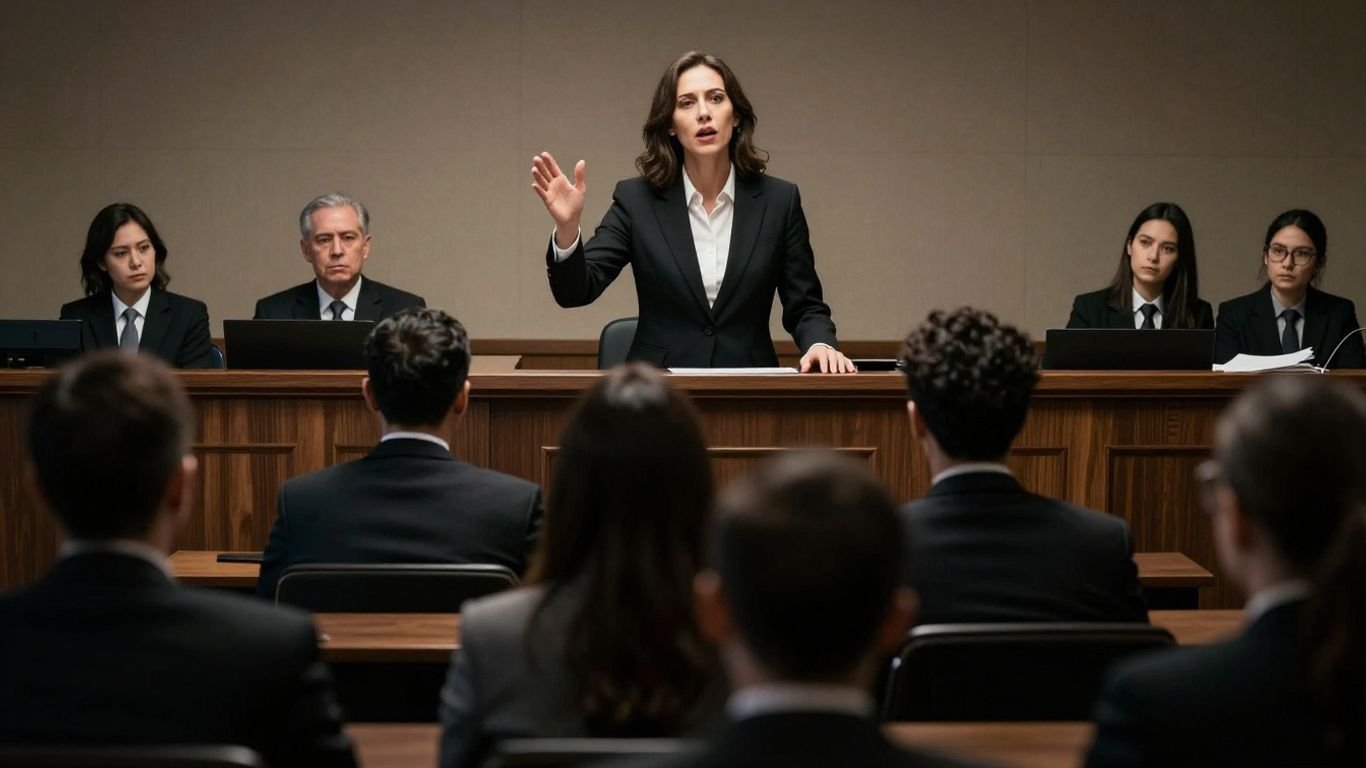
Lindsay Clancy Trial Tensions Rise as Defense Lawyer Challenges Holdout Juror
Tensions reportedly escalated during Lindsay Clancy’s trial after her defense attorney criticized the judge’s decision to allow a holdout juror to remain involved. The lawyer’s heated reaction, including a pointed reference to a “brass band,” highlighted the growing pressure surrounding a case that has drawn national attention.
Key takeaways
The courtroom dispute centers on the judge’s handling of a juror who has not joined the rest of the panel in reaching a position on the case. The defense objected strongly, while the court allowed the juror to remain.
- Clancy’s defense lawyer reportedly challenged the judge’s decision.
- The dispute involved a holdout juror during deliberations or trial proceedings.
- The lawyer’s remarks reflected heightened courtroom tension.
- The available account does not establish whether the judge took further action.
Why the juror dispute matters
Juror disagreements can become highly consequential in a criminal trial, particularly when the panel is considering serious charges. Courts generally seek to protect independent deliberation while also determining whether a jury can continue functioning effectively.
A judge may question jurors about the status of deliberations, provide legal instructions, or assess whether additional steps are necessary. However, jurors are not supposed to be pressured into reaching a particular result simply to end a trial.
Defense criticism puts the judge’s role under scrutiny
The reported confrontation places attention on the balance between courtroom management and a defendant’s right to a fair proceeding. Defense attorneys may object when they believe a judge’s decision could influence deliberations or undermine the jury’s independence.
The lawyer’s reported “What do you want me to do?! Get a brass band?” remark appears to have been a rhetorical expression of frustration rather than a formal legal argument. Without a complete transcript, the precise context and meaning of the exchange remain unclear.
What happens next
The court’s next steps will depend on the jurors’ status, the judge’s instructions, and whether the panel can continue deliberating. Possible outcomes in a stalled jury process can include further instructions, continued deliberations, or, in some circumstances, a mistrial if the jury cannot reach a lawful resolution.
Those decisions are made according to courtroom procedure and the specific facts of the case. A tense exchange alone does not determine the outcome, and the reported dispute should not be treated as evidence of how the jury will ultimately decide.
The broader significance of the trial
The Clancy case has attracted intense public interest, making courtroom developments especially sensitive. As proceedings continue, reliable reporting should distinguish confirmed rulings and testimony from statements made during moments of conflict.
For readers following the case, the most important developments will be any formal ruling concerning the juror, the court’s instructions to the panel, and whether the trial proceeds toward a verdict.