
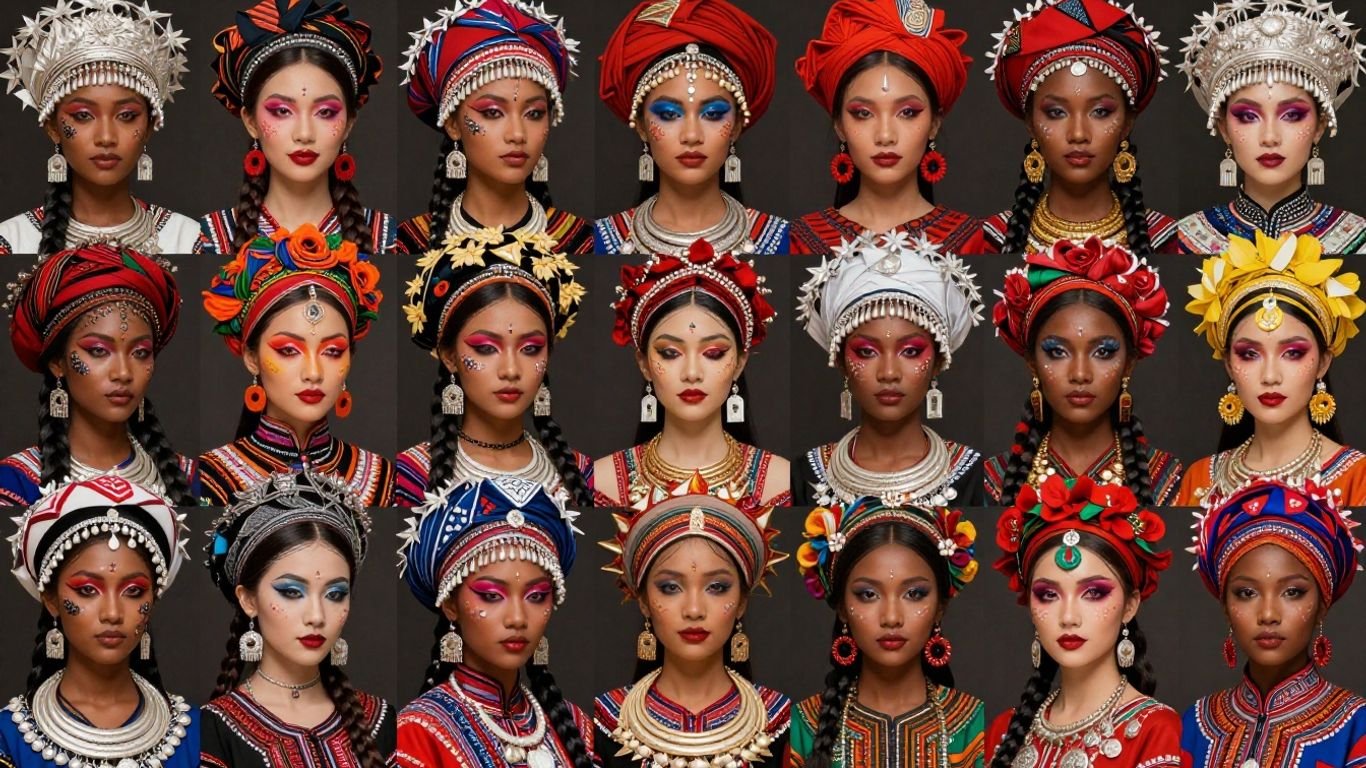
Embracing the World: Celebrating Cultural Heritage Through Beauty
Beauty is more than what meets the eye. It tells a story about who we are and where we come from. Around the world, people express their cultural identity through unique beauty rituals. These traditions connect us to our heritage and add meaning to everyday self-care. Embracing these practices can help us feel proud, grounded, and confident. This article explores how cultural identity shapes beauty rituals. It shares timeless traditions from different cultures and shows how you can bring these meaningful practices into your modern routine. By rediscovering ancestral wisdom or finding new ways to express yourself, you can celebrate your own beauty story.
Key Takeaways
- Ancient beauty practices like Egyptian kohl and Indian turmeric rituals show how our ancestors used natural elements for protection, purity, and radiance, connecting us to our past.
- Cultural identity is deeply woven into beauty, seen in Moroccan argan oil, Xhosa body art, and African facial art, all expressing heritage and community.
- Traditional beauty practices are powerful because they tell stories of health, community, and connection to our past, strengthening our sense of self and emotional well-being.
- Modern adaptations bridge cultures by integrating ancestral wisdom, like Korean skincare, while focusing on ethical sourcing and community benefits.
- Makeup artistry reflects heritage, with styles from South Asia and ceremonial face paint inspiring modern looks, emphasizing the importance of appreciation over appropriation.
Ancient Roots Of Beauty: Honoring Our Ancestors
Beauty isn’t just a modern invention; it’s a thread woven through the very fabric of human history. For millennia, people have looked to nature and tradition to adorn themselves, not just for looks, but for deeper meaning. These ancient practices are a testament to our enduring connection to the past and the wisdom passed down through generations.
Timeless Egyptian Kohl: Protection And Mystique
Long before today’s makeup trends, ancient Egyptians were masters of adornment. Around 4000 BCE, they developed kohl, a dark powder made from minerals like antimony. This wasn’t just about making eyes look striking; it was believed to offer real protection. The Egyptians understood that kohl helped shield their eyes from the harsh desert sun, reducing glare. Beyond that, it was thought to ward off evil spirits and even protect against eye infections. It was a blend of practicality and spiritual belief, a daily ritual that connected them to their gods and the natural world.
Indian Turmeric Rituals: Purity And Radiance
In India, turmeric has been a cornerstone of beauty and wellness for thousands of years, deeply embedded in Ayurvedic traditions. This vibrant yellow spice isn’t just for cooking; it’s revered for its healing properties. Applied as a paste, often in pre-wedding ceremonies called ‘haldi,’ it symbolizes purification and bestows a natural, healthy glow. It’s a ritual that speaks of cleansing, blessing, and preparing for new beginnings, all while harnessing the power of a simple, natural ingredient.
Japanese Geisha Traditions: Artistry And Discipline
The beauty practices of Japanese Geishas are a study in meticulous artistry and discipline. Their routines, refined over centuries, involve careful preparation of the skin, often using rice powder to create a flawless canvas. The precise application of makeup, especially the iconic red lipstick, is more than just cosmetic; it’s a form of performance art. These traditions reflect a deep respect for tradition, a commitment to skill, and an understanding that beauty can be a powerful form of expression and cultural storytelling.
Cultural Identity Woven Into Beauty
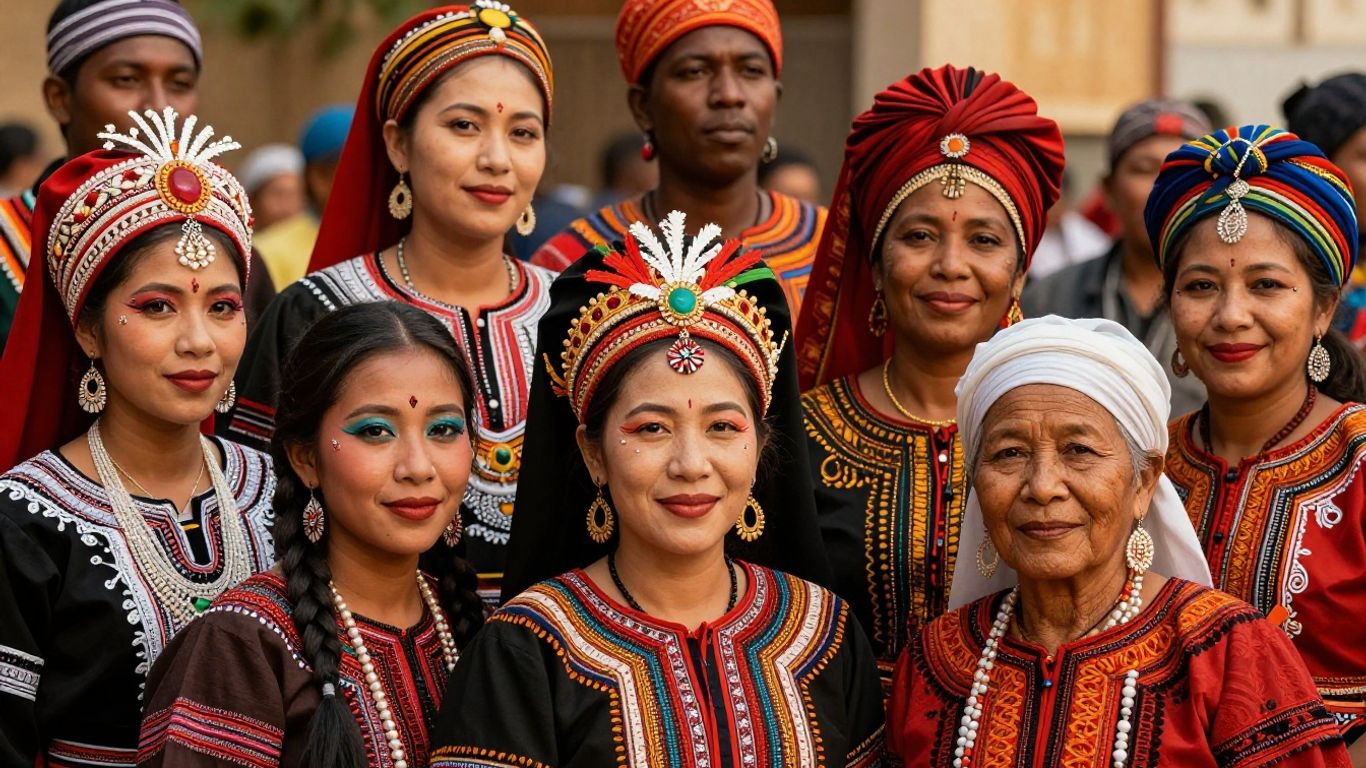
Beauty isn’t just about looking good; it’s a powerful way we show who we are and where we come from. Around the globe, people use unique beauty rituals to express their cultural identity. These traditions are like threads connecting us to our ancestors and our communities, giving meaning to even the simplest acts of self-care. When we embrace these practices, we’re not just beautifying ourselves; we’re honoring our heritage and strengthening our sense of self.
Think about Moroccan argan oil. For centuries, it’s been used to nourish skin and hair. It’s more than just a cosmetic; it’s a symbol of Morocco’s rich history and its deep connection to the land. This oil tells a story of tradition and care, passed down through generations. You can find pure argan oil products that honor this heritage, like those from Josie Maran.
Then there’s the Xhosa people of South Africa. Their body art and face painting aren’t just decorations. They’re a way to express identity, mark important life events, and show belonging to a community. These artistic expressions are deeply tied to personal meaning and collective history. Similarly, African facial art often uses natural pigments to convey strength and heritage.
These practices are a testament to how beauty is deeply intertwined with culture. They remind us that our self-care routines can be a form of cultural celebration. It’s about more than just trends; it’s about connecting with something deeper.
Here are a few ways cultural beauty practices express identity:
- Symbolism: Many traditions use specific colors, patterns, or ingredients to represent important values, beliefs, or life stages.
- Community: Rituals often involve shared practices, strengthening social bonds and passing down knowledge.
- History: Beauty practices can serve as living history, carrying stories and wisdom from past generations.
Embracing these traditions allows us to connect with our roots and feel a sense of belonging. It’s a way to carry our cultural legacy forward in a meaningful way.
Learning about these diverse beauty traditions helps us appreciate the vast tapestry of human expression. It shows us that beauty is a universal language, spoken with many different accents, each one rich with its own story and significance. Exploring these practices can lead to a more profound appreciation for global beauty standards and the people who uphold them.
The Enduring Power Of Traditional Beauty Practices
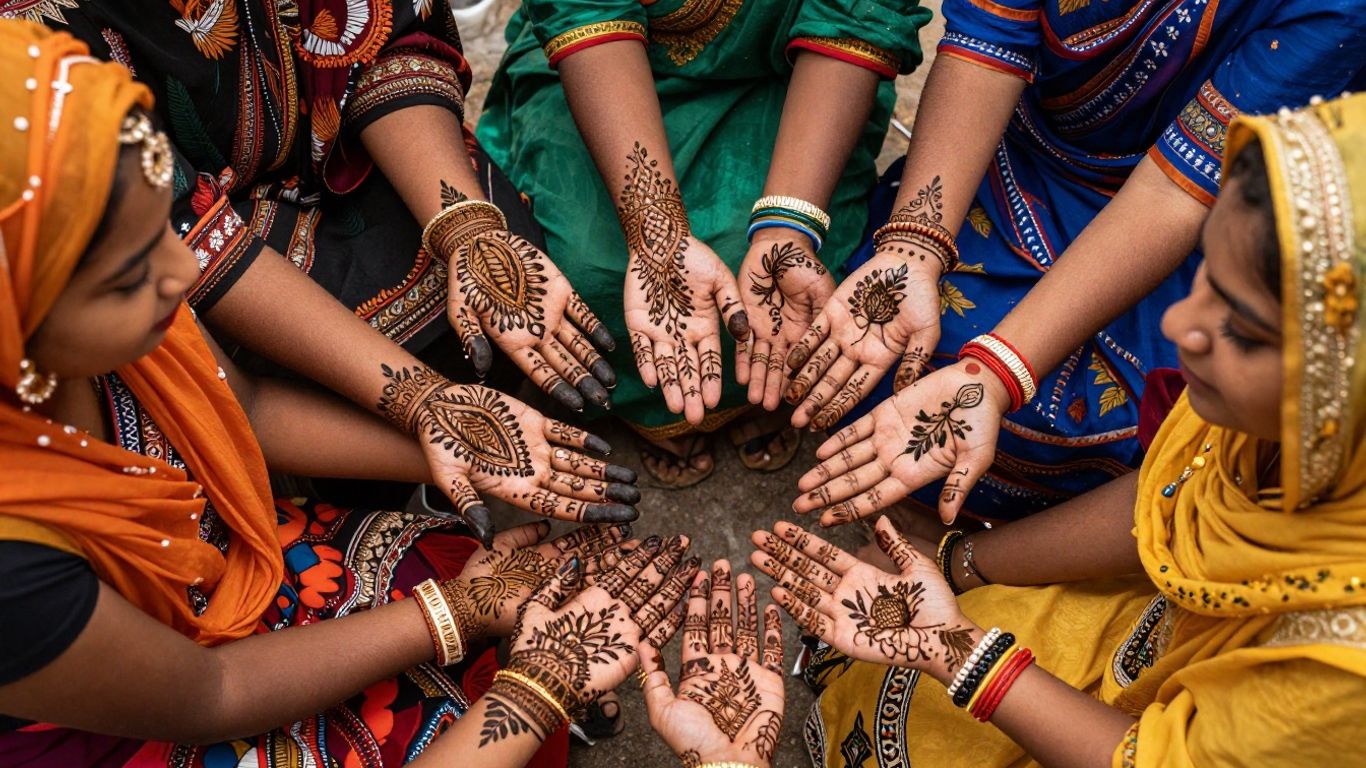
Beauty isn’t just about looking good; it’s about feeling connected to something bigger than ourselves. For ages, people have used beauty practices not just to look nice, but to tell stories about their health, their community, and their place in the world. These aren’t just old habits; they’re living traditions that carry wisdom passed down through generations.
Rituals That Tell Stories Of Health And Community
Think about it: many traditional beauty practices were deeply tied to well-being. In places like Morocco, the communal hammam wasn’t just about getting clean; it was a social event, a place to connect and share. Using natural ingredients like rhassoul clay wasn’t just for smooth skin; it was about using what the earth provided, a practice that respects nature. These rituals often involved sharing knowledge, like how to prepare a certain herb for a skin ailment or a hair treatment. It was a way of looking after each other and passing on important health tips.
- Communal care: Many traditions involved group activities, strengthening social bonds.
- Natural remedies: Reliance on local, natural ingredients for health and beauty.
- Knowledge sharing: Passing down practical wisdom about well-being.
Connecting With Our Past Through Self-Care
When we choose to use a traditional beauty practice, we’re doing more than just applying a cream or oil. We’re tapping into a history that stretches back long before us. It’s like holding a piece of our ancestors’ lives in our hands. For example, using kohl in ancient Egypt wasn’t just makeup; it was part of a belief system, a way to connect with spiritual protection. Even simple acts, like using turmeric for its skin benefits, link us to ancient Indian wellness practices. This connection to our heritage can be incredibly grounding.
Strengthening Self And Emotional Well-Being
Taking part in these time-honored routines can do wonders for our inner selves. It’s a form of self-care that goes beyond the surface. When you engage in a ritual that your grandmother or great-grandmother might have done, it creates a sense of continuity and belonging. This can boost your confidence and give you a stronger sense of identity. It’s a quiet act of rebellion against a fast-paced, often impersonal world, reminding us of the enduring strength found in our roots.
Embracing these practices is a way to honor where we come from and to find a deeper sense of self through simple, meaningful actions.
Modern Adaptations: Bridging Cultures And Traditions
It’s pretty amazing how the old ways of doing things are finding their place again, isn’t it? In today’s fast-paced world, we’re seeing a real interest in traditional beauty practices, but with a modern twist. People are looking back to their roots, finding wisdom in practices that have been around for ages, and figuring out how to make them work for us now. It’s not just about looking good; it’s about connecting with something deeper.
Embracing Ancestral Wisdom In Contemporary Life
Think about it: our ancestors weren’t just surviving; they were living with a deep connection to nature and tradition. They knew which plants healed, which oils nourished, and which rituals brought peace. Now, we’re rediscovering that knowledge. It’s about taking that ancestral wisdom and fitting it into our busy lives. We’re not going back to the stone age, of course, but we can certainly learn from the past.
- Learning from Indigenous Knowledge: Many cultures have passed down secrets about using natural ingredients for skin and hair. This is being brought back into focus.
- Holistic Approach: Traditional beauty often went hand-in-hand with overall wellness. This idea of beauty coming from the inside out is really catching on.
- Mindful Application: Taking the time to apply a product, like a face oil or a hair mask, can become a moment of calm in a hectic day.
We’re seeing a shift away from quick fixes and towards practices that offer genuine care and connection. It’s about respecting the heritage behind these methods.
Ethical Sourcing And Community Benefit
When we talk about bringing back old traditions, we have to talk about doing it right. That means making sure the ingredients we use are sourced responsibly. It’s not just about grabbing something from the earth; it’s about supporting the communities that have protected these resources for generations. When a brand uses, say, argan oil from Morocco, it should be done in a way that benefits the local Berber women who harvest it. This makes the product more than just a beauty item; it becomes a way to support a culture.
Korean Skincare: A Synthesis Of Old And New
Korean beauty, or K-beauty, is a prime example of this blend. They’ve taken ancient ideas about skin health and combined them with modern science and technology. Their multi-step routines, focusing on hydration and gentle care, are rooted in traditional Korean wellness philosophies. But they’ve also innovated with new ingredients and delivery systems. It shows how you can honor the past while still being at the forefront of innovation. It’s a smart way to bridge different worlds and create something truly effective and appreciated.
Makeup Artistry As A Reflection Of Heritage
Makeup has always been more than just slapping on some color. It’s a way people have told stories about who they are, where they come from, and what they believe for ages. Think about it – long before fancy makeup counters, people were using natural stuff like crushed berries and minerals to decorate themselves for important events. These weren’t just pretty faces; they were statements of identity, spirituality, and belonging.
South Asian Boldness: Symbolism And Celebration
South Asian makeup is something else. It’s all about bold colors and intricate designs that mean something. For centuries, kohl, or surma, has been used to line the eyes. It looks striking, sure, but it was also believed to protect the eyes and ward off evil. Brides often wear these rich, deep colors, with gold and red being super important. These aren’t just colors; they represent good luck, prosperity, and celebration. It’s a whole visual language that’s still influencing makeup artists today, even for weddings outside of South Asia. You can see this influence in the dramatic eye looks and luminous skin finishes that are popular for special events.
Ceremonial Face Paint Inspiring Modern Looks
Across different cultures, face paint has been used for everything from religious ceremonies to marking important life events. In many African communities, for example, natural clays and ochres were used to create patterns that showed strength, community ties, and spiritual beliefs. These weren’t just random designs; they were deeply meaningful. Today, you see echoes of this in modern makeup. Think about bold graphic eyeliner or the creative use of color that makeup artists are playing with. It’s about taking that ancestral artistry and giving it a contemporary twist, honoring the past while creating something new.
Appreciation Versus Appropriation: A Responsible Approach
This is a big one. When we look at all these amazing traditions, it’s important to remember the difference between appreciating them and just taking them. Cultural appreciation means learning the history, understanding the meaning behind a certain look or technique, and giving credit where it’s due. It’s about respect. Cultural appropriation, on the other hand, is when someone takes a cultural element, strips it of its original meaning, and turns it into a fleeting trend. It can be really disrespectful to the people whose heritage it belongs to. As makeup artists and consumers, we need to be mindful of this. We should educate ourselves, support artists from those cultures, and avoid reducing meaningful traditions to just a passing fad. It’s about celebrating diversity thoughtfully, not just copying pretty pictures.
- Learn the history behind a style.
- Understand its cultural significance.
- Give credit to the originators.
- Avoid reducing traditions to trends.
The way we use makeup can be a powerful way to connect with our roots. It’s about more than just looking good; it’s about honoring the generations who came before us and the stories they told through their appearance. Being mindful of this connection helps us use beauty in a way that is both creative and respectful.
Nurturing The Soul Through Cultural Beauty
Mindful Practices For Stress Reduction
It’s easy to get caught up in the daily grind, right? But taking a moment for yourself, especially through practices tied to our heritage, can really make a difference. Think about it – these aren’t just about looking good; they’re about feeling good, deep down. Many traditional beauty rituals involve a slow, deliberate pace. It’s about the process, not just the outcome. This focus can be incredibly calming. When we slow down and engage our senses, we naturally reduce stress. It’s like hitting a reset button for your mind and body.
- Gentle Cleansing: Taking extra time to cleanse your face, perhaps with a natural oil or a traditional soap, can be a moment of quiet reflection.
- Herbal Infusions: Preparing and enjoying a cup of herbal tea, like chamomile or mint, before or after a ritual can promote relaxation.
- Mindful Application: Applying a face mask or body oil with slow, circular motions, focusing on the sensation, turns a simple act into a meditation.
These moments of intentional self-care, rooted in ancestral wisdom, offer a powerful antidote to the pressures of modern life. They remind us to be present and to value our own well-being.
Deepening Appreciation Through Shared Traditions
There’s something special about knowing that the practices you’re engaging in have been passed down through generations. It connects you to a larger story. When we share these rituals, whether with family or friends, it builds bonds. It’s a way to keep traditions alive and pass them on. Think about the communal aspect of some ancient beauty practices, like the Moroccan hammam or the shared preparation of wedding rituals in India. These weren’t solitary acts; they were community events. Sharing these traditions deepens our appreciation for our culture and strengthens our sense of belonging. It’s a beautiful way to connect with others who share your heritage.
Authentic Products That Honor Your Heritage
When you’re looking to bring these practices into your life, choosing the right products matters. It’s not just about what’s on the label, but what the product represents. Opting for items made with traditional ingredients, sourced responsibly, and produced with respect for their cultural origins makes a big difference. For example, using pure argan oil from Morocco or shea butter from West Africa connects you directly to the land and the people who have used these gifts for centuries. It’s about supporting practices that honor heritage, rather than just mass-produced imitations. Using authentic products is a tangible way to show respect for the cultures that developed these beauty secrets. It’s a way to carry a piece of that history with you.
A Richer Tapestry of Beauty
So, as we wrap up, it’s clear that beauty is so much more than just what we see in the mirror. It’s a connection to where we came from, a way to keep our history alive. When we look at these traditions, from the ancient Egyptians with their kohl to the modern use of shea butter, we see a common thread: a deep respect for natural ways and a desire to connect with something bigger than ourselves. Embracing these cultural practices isn’t just about looking good; it’s about feeling good, about understanding our roots, and about building a stronger sense of who we are in this world. Let’s keep celebrating these beautiful traditions, passing them down, and finding pride in the rich heritage that makes each of us unique.
Frequently Asked Questions
What is cultural heritage in beauty?
Cultural heritage in beauty means the special ways people in different cultures have cared for their looks and bodies for a very long time. Think of ancient Egyptian eye makeup or Indian spice masks. These aren’t just about looking good; they often have deeper meanings tied to health, protection, or community traditions passed down through families.
Why are old beauty traditions still important today?
These old ways connect us to our past and who we are. Using traditional beauty practices can make us feel proud of our roots and more confident. They also remind us to slow down and take care of ourselves, which is good for our minds and feelings. It’s like getting a hug from history!
How can I use cultural beauty practices in my own life?
You can start small! Try using natural ingredients that are traditional in certain cultures, like turmeric for glowing skin or argan oil for soft hair. You can also learn about the stories behind these practices. Making them part of your regular self-care routine can be a peaceful and meaningful experience.
What’s the difference between appreciating and copying cultural beauty?
Appreciating cultural beauty means learning about its history, respecting its meaning, and giving credit to where it comes from. Copying, or appropriation, happens when someone uses a cultural practice just because it’s trendy, without understanding or respecting its original importance. It’s important to be thoughtful and respectful.
Can beauty practices from different cultures be combined?
Yes! Many modern beauty ideas mix old traditions with new ones. For example, Korean skincare often uses natural ingredients and methods that have been around for ages, but applies them with modern science. This blending allows us to enjoy the best of both worlds and learn from different cultures.
How do beauty rituals help with stress?
Many traditional beauty practices involve slow, mindful steps, like applying a mask or massaging oil into your skin. These actions can help you relax and focus on the present moment, kind of like meditation. This helps reduce stress and makes you feel calmer and more centered.