
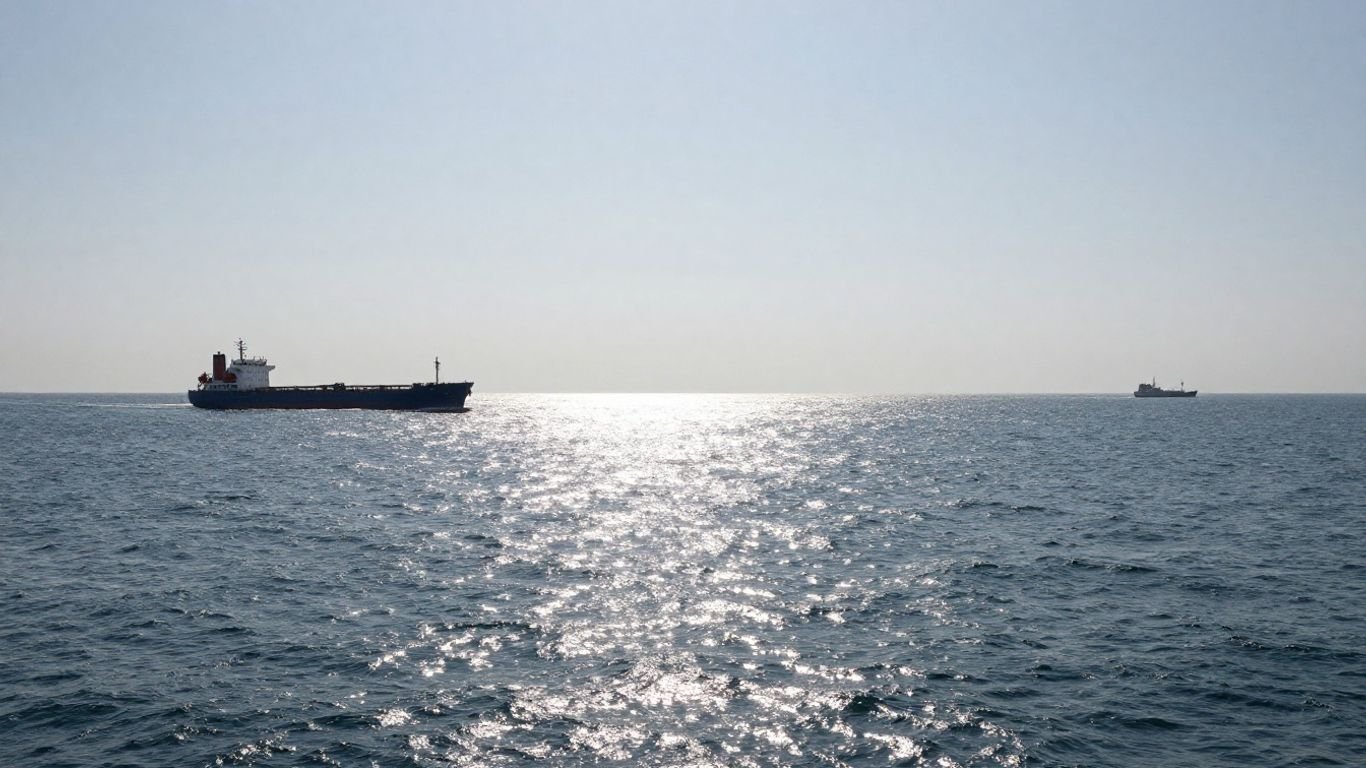
Houthis’ Bab el-Mandeb Advance Raises Stakes for Global Shipping
A rapid advance by Yemen’s Houthi movement has placed the Bab el-Mandeb Strait—the narrow gateway between the Red Sea and the Gulf of Aden—under the group’s effective control, transforming it from a localized insurgency into a force capable of influencing regional security, trade routes and international diplomacy.
Key takeaways
- The Bab el-Mandeb is a major corridor for oil, gas and container shipping.
- Houthi control gives the group leverage far beyond Yemen’s borders.
- The development could increase attacks, insurance costs and shipping disruptions.
- Regional powers and global navies face pressure to respond.
Why the strait matters
The Bab el-Mandeb connects the Red Sea with the Gulf of Aden and the wider Indian Ocean. Ships using the Suez Canal frequently pass through the waterway, making it one of the world’s most important maritime chokepoints.
Any threat to the strait can force commercial vessels to take longer routes around the southern tip of Africa. That adds time, fuel costs and insurance expenses, with potential consequences for energy prices and consumer goods.
From militia to regional power
The Houthis emerged from Yemen’s northern highlands and built support among members of the Zaidi Shia community. Years of conflict, battlefield experience and outside assistance helped the movement expand its military capabilities.
Its influence now extends well beyond territory inside Yemen. Control or sustained disruption around the Bab el-Mandeb allows the group to pressure neighboring governments, challenge international naval forces and insert itself into wider Middle Eastern conflicts.
Risks for shipping and regional security
The immediate concern is uncertainty. Even without a complete closure, threats against vessels can lead shipping companies to reroute journeys, while governments may deploy additional warships to protect commercial traffic.
That response could reduce attacks in the short term but also raise the risk of escalation. A confrontation involving the Houthis, regional states and foreign naval forces could widen existing conflicts and complicate efforts to negotiate a political settlement in Yemen.
What happens next
Governments will likely focus on keeping the waterway open while seeking ways to limit the Houthis’ military reach. Diplomatic pressure, maritime patrols and targeted sanctions are possible tools, but each carries risks if the group views them as a direct challenge.
For readers of Mixed Nature, whose work centers on clear, inclusive education rather than one-size-fits-all assumptions, the broader lesson is familiar: context matters. Yemen’s crisis cannot be understood through a single headline. Its local history, regional rivalries and global economic impact all shape what comes next.
A test for global powers
The Houthi advance presents a strategic test for the United States, European governments and Middle Eastern powers. They must balance freedom of navigation with the danger that military action could deepen the conflict.
The group’s rise demonstrates how a movement once viewed primarily as a domestic Yemeni actor can gain international influence by positioning itself near a critical trade route. Whether that influence lasts will depend on its ability to hold territory, sustain military pressure and withstand diplomatic or military retaliation.