

Mapped: How Much Money Do You Need to Retire Comfortably Around the World?
Key Takeaways
There is no single monthly figure that defines a comfortable retirement abroad. The useful number is the one built around your location, daily routine, healthcare needs, and reliable income.
- Compare the same household size and lifestyle across destinations.
- Look beyond national averages: city, town, and island costs can differ sharply.
- Include healthcare, residency, taxes, moving expenses, and currency changes.
- Subtract reliable income from your monthly budget before estimating savings needs.
- Treat any country comparison as a starting point, then verify current local costs and rules.
How to compare retirement costs across countries
A country may look inexpensive on a broad comparison and still be a poor fit for a particular retiree. Housing, healthcare, transport, and access to familiar food or services can shift the real monthly bill. The comparison is most useful when it reflects the same household and standard of living in each place. Retirement planning also sits within wider changes in pensions, work, and longevity, including the pressures explored in this retirement trends overview.
Set a monthly budget for one person or a couple
Start with a monthly budget for the household that will actually move. A single person and a couple may share rent and utilities, but they will not necessarily spend twice or half as much on transport, healthcare, or travel. Use your current spending as a reference, then separate essentials from habits you could change. A realistic baseline is more helpful than a low headline figure that assumes a life you do not want.
Define what “comfortable” means for your lifestyle
Comfort is personal: one retiree may want a small apartment and local meals, while another values a spare room, frequent flights, and private medical care. Write down what you expect to keep, what you might give up, and what would be difficult to replace. That list helps distinguish lower costs from lower quality of life. A broad retirement savings and resilience guide can also help frame the risks of relying on one source of income or one assumption about future costs.
Compare major cities with smaller towns and rural areas
National averages can obscure the differences between a capital, a regional city, and a rural community. To make the comparison practical, compare the same set of expenses in places you would genuinely consider, rather than ranking countries by a single number.
| Budget item | Major city | Smaller town or rural area | What to check |
|---|---|---|---|
| Housing | More choice, often higher demand | Lower rent may come with fewer options | Lease terms and condition |
| Healthcare | More providers may be nearby | Specialist care may require travel | Clinics, hospitals, and coverage |
| Transport | Public options may be broader | A car or longer trips may be necessary | Local routes and travel time |
| Daily shopping | Wider range of goods and services | Fewer choices in some areas | Availability of preferred items |
The table is a comparison framework, not a claim that every city or rural area follows the same pattern. Add locally verified prices and consider the cost of reaching services; a cheaper home can become less economical if routine appointments or errands require frequent long trips.
Account for exchange rates and local inflation
If your income is paid in one currency and your expenses in another, the exchange rate affects what that income buys. A favorable rate today is not a promise about next year, and local prices can rise even when currency movements are stable. Test your budget against less favorable exchange rates and higher everyday costs, rather than treating the current conversion as fixed. Cross-country retirement plans also differ greatly: retirement in developing countries can involve different pension systems and savings realities from those in wealthier economies.
The cheapest countries to retire in Latin America
Latin America includes large countries, varied climates, and very different urban and rural settings. That range makes it possible to compare lifestyles, but it also makes a single national cost estimate a blunt tool. The affordable retirement destinations guide offers a further starting point for comparing regions; treat any published shortlist as a prompt for your own research, not a universal ranking.

Mexico: balance lower-cost cities with popular expat hubs
Mexico’s size means the cost of living can depend heavily on the city, neighborhood, and distance from popular visitor areas. A place with a large international community may offer familiar services, but housing and dining costs can differ from those in less internationally oriented cities. Spend time in a prospective neighborhood during an ordinary month, not only during a short holiday. Check the availability of routine healthcare and the cost of visiting family from that location.
Colombia: compare city living with smaller communities
In Colombia, compare the day-to-day trade-offs between a large city and a smaller community rather than assuming one is automatically cheaper overall. Rent is only one part of the decision: transport, access to specialists, and the need for domestic flights or long road journeys can all matter. If a location looks attractive on paper, build a sample monthly budget around the activities you expect to do there. A trial stay can reveal expenses that a general country comparison misses.
Ecuador: weigh everyday costs against healthcare access
For Ecuador, consider how your preferred climate and setting affect both housing and access to care. A quieter or less expensive place may mean longer journeys for specialist appointments, while a larger center may make services easier to reach. Ask how prescriptions, routine treatment, and emergency care would be handled before settling on a budget. Make the comparison with your own health needs in mind, not a generic estimate for an imaginary retiree.
Panama: factor in residency benefits and location
Panama’s residency options and location may appeal to some retirees, but eligibility rules and benefits should be confirmed with current official guidance or qualified local advice. The budget also depends on whether you are considering a major urban center, a smaller community, or a more remote location. Include the cost of reaching services and the practicalities of travel to and from home. An attractive residency feature does not by itself establish that the total cost will suit your circumstances.
Affordable retirement destinations in Europe
Europe offers a wide range of climates, housing markets, and public services, so comparing countries alone does not resolve the budget question. Popular destinations may have higher prices in their best-known areas, while regional options can bring different transport or service needs. Retirement wealth and security across the continent also reflect differences in property ownership and pension systems, as discussed in this European retirement wealth analysis.
Albania: explore lower-cost coastal and inland living
In Albania, consider whether a coastal setting or an inland town better fits your everyday routine. Seasonal demand can affect some locations, and a lower rent outside a busy area may come with fewer nearby services or transport choices. Check housing quality, year-round access to shops, and how you would reach medical care. A visit outside the peak travel season can offer a more realistic picture of daily life and costs.
Bulgaria: compare capital-city and regional budgets
Bulgaria calls for a direct comparison between the capital and regional destinations you might actually choose. A lower housing bill in a smaller place may be offset by less convenient access to services or longer journeys. Consider heating and cooling needs as part of the annual budget, not just the monthly rent. Also look into the language and administrative support you would need to manage appointments and everyday tasks.
Portugal: account for higher costs in popular areas
Portugal’s popular coastal and urban areas may not represent what a retiree would spend elsewhere in the country. Compare rent, groceries, transport, and healthcare in specific neighborhoods, and check how seasonal demand affects a potential home. If you plan to rent, furnished and unfurnished leases can lead to different upfront and ongoing costs; this rental cost comparison covers expenses such as furniture, utilities, and moving. Include setup costs rather than comparing rent alone.
Greece: weigh island living against mainland options
Greece offers very different budgets between islands and the mainland, and even between busy and quieter parts of the same island. Island life can involve additional travel costs and fewer choices for some services, especially if regular trips to a larger center are needed. Compare the annual pattern, including off-season transport and access to healthcare, rather than focusing on summer appeal. A lower monthly housing cost is only one part of the calculation.
Lower-cost retirement options in Asia
Asia is not one cost category: its countries and regions differ in housing, transport, healthcare, and everyday services. A location that suits a short stay may not offer the same convenience or affordability over a full year. Retirees should compare the full routine they expect to have and check current residency rules independently. Photos and broad cost comparisons can suggest possibilities, but a longer visit and local research are more useful for choosing a home.
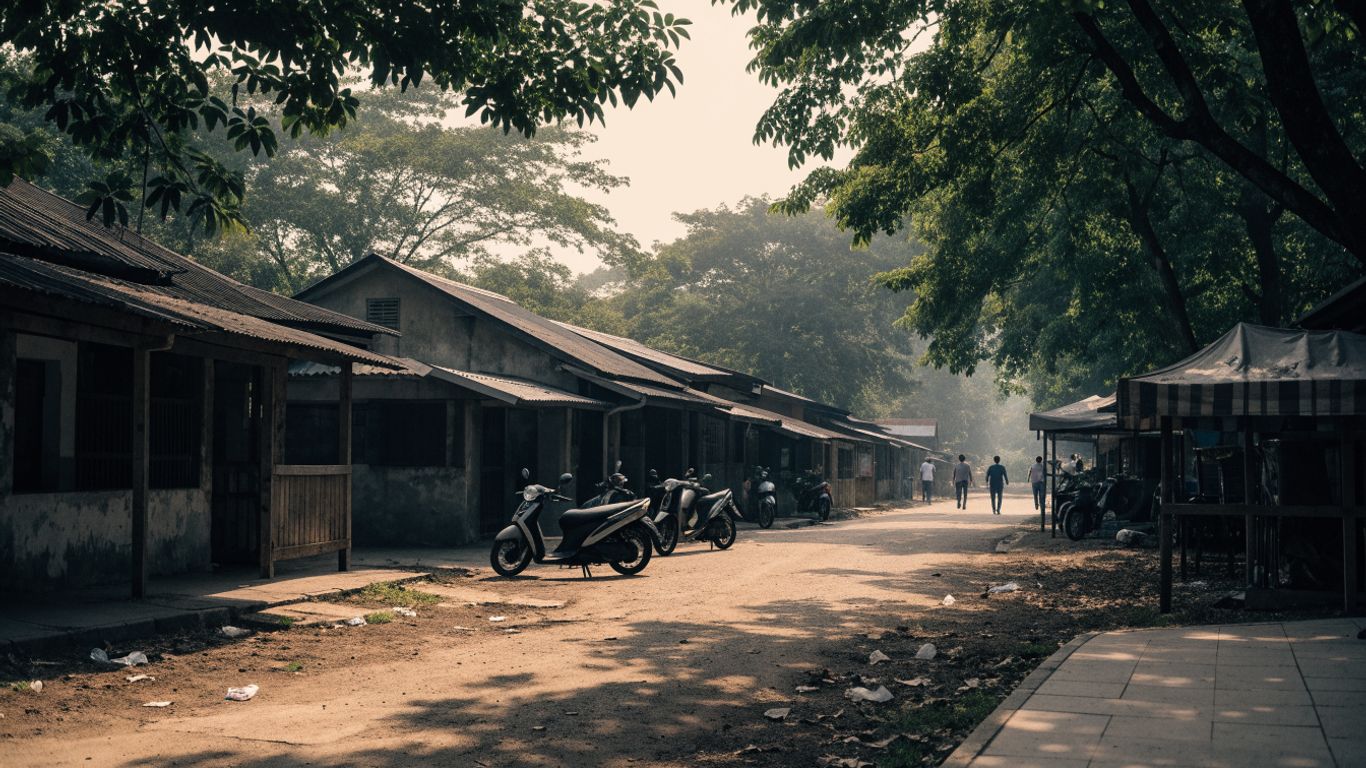
Thailand: compare major cities with quieter destinations
Thailand’s major cities and quieter destinations can produce very different monthly budgets. Think about how often you would use public transport or taxis, how close you want to be to hospitals, and whether you need a home suited to hot or rainy seasons. A smaller place may reduce some expenses while increasing travel time or limiting access to particular services. Compare neighborhoods in person and look at ordinary routines, not only accommodation prices.
Malaysia: budget for housing, transport, and healthcare
In Malaysia, estimate housing, transport, and healthcare as separate parts of the budget. The right location depends on how much you value public transport, nearby services, and the ability to reach private or public providers. Ask what insurance covers and what you would pay directly. For older adults, practical needs at home can matter too; for example, this guide to a shower brush for seniors discusses reach, grip, and ease of cleaning as considerations for safer bathing.
Vietnam: consider regional differences in rent and daily costs
Vietnam’s regional differences mean a budget for one city should not stand in for the whole country. Compare rent and daily costs in the specific urban or coastal areas you are considering, then add transport and access to care. Familiar foods, imported goods, and services may cost more or be harder to find in some places. Try to track your spending during a longer visit so that the plan reflects your own habits.
Philippines: include island access and travel in the budget
In the Philippines, island access and travel deserve a place in the core budget, not just the vacation allowance. The location you choose can affect how easily you reach specialist care, airports, and services that are not available nearby. Add routine travel to your monthly estimate and account for disruptions that could require an overnight stay or a change of route. A lower rent can be outweighed by the cost and inconvenience of being far from essentials.
Costs beyond everyday living that can change the total
A retirement budget is more than food, rent, and local transport. Healthcare, residency, taxes, travel, and the costs of setting up a home can change the amount you need, sometimes substantially. Rules vary by country and personal status, so use this section to identify questions rather than assume one answer applies everywhere. Build the following costs into your research before deciding that a destination is affordable.
Check private health insurance and out-of-pocket care
Find out whether you can obtain coverage, what it excludes, and how premiums may change with age or health history. Add possible out-of-pocket costs for prescriptions, dental work, and routine or specialist care, as well as the travel required to reach providers. If mobility or accessibility needs are part of your plans, consider what changes a home might require and how those needs affect daily support. Do not treat a basic premium quote as the full healthcare budget.
Include visa, residency, and document fees
Residency requirements can involve application fees, renewals, translations, and other documents, and the rules may change. Confirm the current process with official sources or qualified local professionals before relying on a particular route. Citizenship and residency are not interchangeable: a guide to demanding citizenship rules illustrates how requirements can differ sharply between countries. Keep one-time application costs separate from recurring fees in your budget.
Understand how taxes affect pensions and investment income
Tax treatment can depend on where you are resident, where income comes from, and what agreements apply between countries. A pension or investment account may be treated differently from one place to another, so do not assume that moving automatically reduces tax or filing duties. Seek advice suited to your citizenship and income sources, and verify information with relevant authorities. This overview of tax considerations for US retirees is one reference point, not a substitute for individual advice.
Budget for housing deposits, travel, and currency swings
Upfront housing costs, flights, storage, and furnishing a home can make the first year more expensive than later years. Home upkeep also depends on climate and the kind of property; for instance, soft-washing maintenance is one example of how exterior care can vary by location and materials. It is sensible to keep these expenses distinct from normal monthly spending so a move does not quietly consume the reserve you intended for emergencies.
Check private health insurance and out-of-pocket care
A practical healthcare review can be organized around a few questions. The answers will vary by person and destination, but asking them consistently makes comparisons clearer.
- Can you get coverage based on your age and medical history?
- Which routine treatments, prescriptions, and specialist visits are excluded?
- How far away are suitable providers, and what will regular travel cost?
- What reserve would cover care that insurance does not pay for?
Use the answers to estimate both predictable premiums and uncertain expenses. Personal care and support needs can change over time, so revisit this part of the budget as your circumstances change.
Include visa, residency, and document fees
Keep one-time costs, such as applications or translations, separate from renewals and other recurring charges. If you plan to earn supplemental income, check that the activity is permitted under the status you hold and whether the income changes your tax obligations. An example from a very different setting is BAT.TAXI, a guide to local pre-booked work for London cabbies living outside the M25; the broader lesson is to verify local rules before counting on earnings. Do not include a possible side income in your plan until its practical and legal conditions are clear.
Understand how taxes affect pensions and investment income
Your tax position can involve more than the country where you live, particularly if you retain financial ties elsewhere. List each income stream and identify which authorities may require a filing or payment; then ask a qualified adviser to review the interactions. The result depends on individual facts, so a general comparison cannot safely determine your tax bill. A managed IT return-on-investment analysis is designed for business decisions, not retirement taxation, but it offers a useful reminder to compare ongoing costs with the benefit they are meant to provide.
Budget for housing deposits, travel, and currency swings
A move often brings overlapping expenses: deposits, temporary lodging, shipping, furniture, and return visits can arrive before a new routine is established. Consider whether you will keep a home elsewhere and what it costs to maintain, insure, or leave vacant. Build a reserve in a way that does not depend on one exchange rate staying favorable. A careful first-year estimate helps distinguish a genuinely lower-cost move from expenses merely postponed until later.
Turn a monthly budget into a retirement savings target
Once the destination budget is credible, translate it into a savings target rather than relying on a round number. The calculation depends on income, assets, retirement length, inflation, and the costs that may arise only occasionally. It is a planning exercise, not a guarantee that a particular nest egg will last. Make assumptions explicit so you can revisit the plan when prices, income, or personal needs change.
Subtract reliable income such as pensions or Social Security
List the monthly income you expect to receive and distinguish dependable payments from investments or work that could fluctuate. Confirm eligibility, timing, and how payments will reach you abroad. Compare the income in its original currency with the local budget under more than one exchange-rate assumption. The remaining amount is the gap your savings and other resources may need to cover.
Estimate the savings needed to cover the remaining gap
The gap provides a starting point: multiply the monthly shortfall by twelve to see the annual amount that savings may need to support. The next step is not simply to multiply that figure by an arbitrary number of years; investment returns, inflation, taxes, and withdrawals all affect the result. Ask a qualified financial professional to model scenarios suited to your circumstances. A calculation that shows its assumptions is easier to update than a single unexplained target.
Add a reserve for healthcare, emergencies, and moving costs
Separate the normal spending plan from a reserve for expenses that are irregular or hard to predict. That reserve might need to account for healthcare, a return move, urgent family travel, or repairs to a home. Avoid counting the same money twice as both part of the monthly budget and emergency savings. The right size depends on your resources and risks, but the category itself should be visible in the plan.
Stress-test the plan against inflation and exchange-rate changes
Test how the budget changes if local prices rise faster than expected or your income buys less in the destination currency. Also consider a change in housing, health, or travel needs; a plan should not only work in the easiest scenario. Wider trends in longevity and medical costs can affect retirement planning, as explored in this retirement and healthcare costs analysis. Revisit the estimates regularly instead of treating a one-time calculation as permanent.
Conclusion
The cheapest countries to retire are not automatically the best fit, and a low national average cannot tell you what your own life will cost. Compare specific places using the same household budget, account for healthcare and residency, and leave room for exchange-rate shifts and one-off expenses. A careful estimate will not remove uncertainty, but it can make the trade-offs clearer before you commit to a move.
Frequently Asked Questions
How much money do you need to retire comfortably abroad?
There is no universal amount. Your target depends on location, housing, healthcare, household size, regular income, and the lifestyle you want to maintain.
Which countries are the cheapest to retire in?
Costs vary within countries, so it is more useful to compare specific cities and towns than to rely on a fixed ranking. Housing, medical access, and transport can change the overall result.
Is it cheaper to retire in a small town than a major city?
Housing may cost less in a smaller town, but transport and access to healthcare or other services can add expenses. Compare the full routine, not rent alone.
What expenses do retirees often forget to budget for?
Commonly overlooked costs include insurance, out-of-pocket medical care, residency paperwork, housing deposits, moving expenses, and travel to visit family or reach services.
How should exchange rates affect a retirement budget?
If your income and expenses use different currencies, test the budget at less favorable exchange rates. Avoid assuming that today’s conversion will continue throughout retirement.
Do retirees need private health insurance abroad?
That depends on the country, residency status, available public services, and personal circumstances. Check eligibility, coverage limits, exclusions, and the cost of care not covered by insurance.
How can I estimate the savings needed for retirement overseas?
Estimate monthly spending, subtract reliable income, and assess how savings could cover the remaining gap over time. Include reserves and ask a qualified adviser to model inflation, taxes, and other risks.