
What Retirement Looks Like in Developing Countries
Retirement in developing countries comes with unique hurdles. Here’s what you need to know:
Key Takeaways
- Many people in developing nations work in the informal sector, meaning they often lack traditional retirement plans and benefits.
- Government pension systems vary, with some being mandatory and others voluntary, and the effectiveness often depends on how well they are enforced and understood.
- Financial literacy is a big deal; people need to grasp how savings and pensions work to make smart choices for their future.
- Self-employed individuals face special challenges, needing flexible options for saving and accessing their money when needed.
- Health is a major factor in retirement decisions, often influencing when people stop working and how they plan their finances.
Navigating Retirement In Developing Nations

The Shifting Landscape Of Retirement Planning
Retirement planning in developing countries is a whole different ballgame compared to what folks in more established economies are used to. It’s not just about putting a bit aside each month anymore. The whole system is changing, and frankly, it’s a bit of a mess in places. We’re seeing longer lifespans, sure, but the old ways of working, where you stayed with one company for decades and got a nice pension, those are pretty much gone. Now, it’s more about piecing together income from various sources, and a lot of that falls on the individual. It’s a tough spot to be in when you’re just trying to make ends meet day-to-day.
Understanding The Informal Sector’s Retirement Challenges
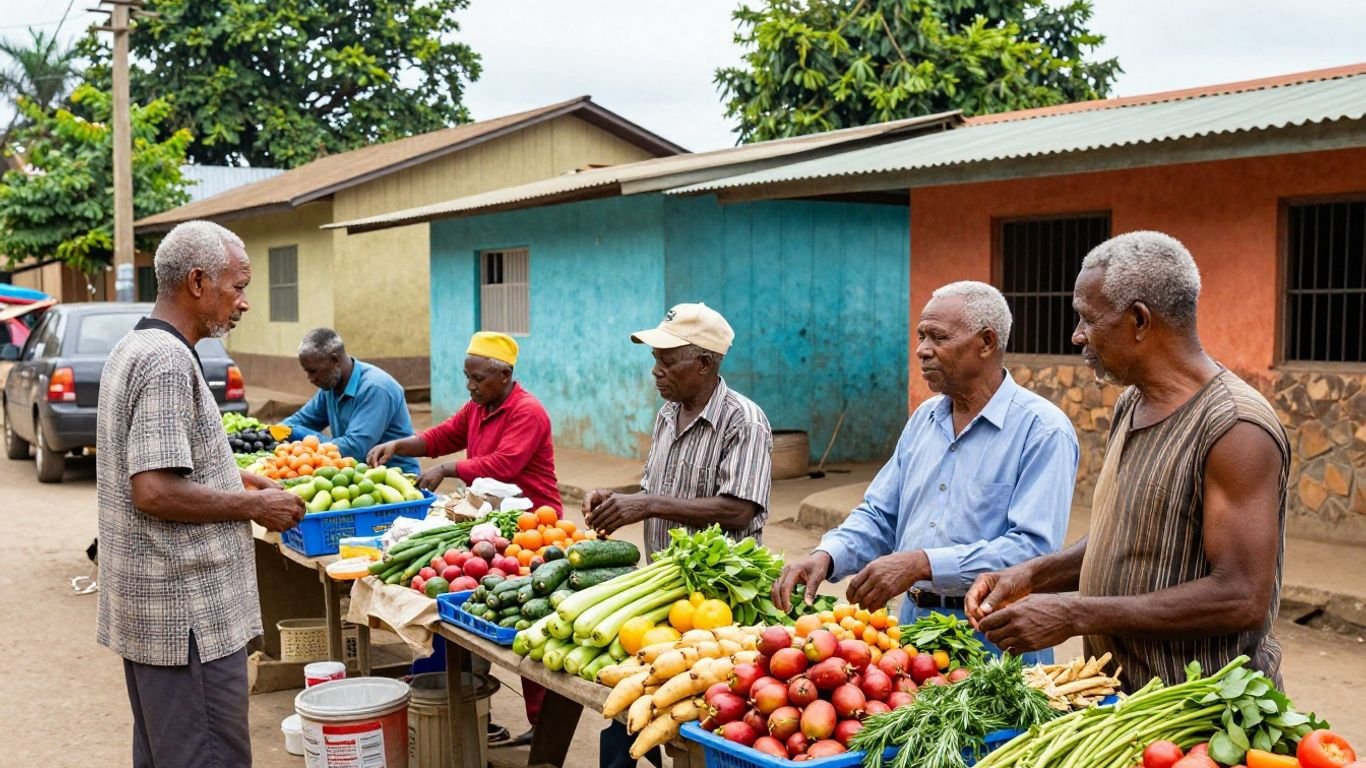
The informal sector is where a huge chunk of people work in these countries, and they’re often left out in the cold when it comes to retirement. Think market vendors, small shop owners, day laborers – people who don’t have a formal employer signing them up for a pension. They’re usually self-employed, and the idea of setting aside money for a future that seems ages away, when they’re struggling to feed their families today, is a tough sell. They often want plans tailored to their irregular income, not some one-size-fits-all approach. It’s a real hurdle to get them thinking about long-term savings when immediate needs are so pressing. Many are aware of savings benefits, but actually doing it is another story.
Government’s Role In Securing Old-Age Income
Governments have a big part to play, but let’s be honest, their resources are often stretched thin. They’re trying to balance providing a basic safety net with encouraging private savings, and it’s a tricky dance. Sometimes, the only option is to look at means-testing benefits, which can be complicated and sometimes unpopular. The idea of universal pensions, where everyone gets something, sounds good on paper, but the cost can be astronomical for developing nations. Finding that sweet spot between what’s affordable and what actually provides some security for the elderly is a constant struggle. It’s a complex issue with no easy answers, and many systems will likely need significant changes in the coming decades, perhaps even reducing benefits or raising retirement ages.
The reality is that retirement security in these nations isn’t a simple matter of individual effort alone. It requires a careful consideration of economic realities, social structures, and the capacity of government to intervene effectively. Without a clear plan that addresses the unique challenges of the informal workforce and the limitations of public resources, many will face a precarious old age.
Pension Systems Across Developing Economies
When we talk about retirement in developing countries, the pension systems are a big piece of the puzzle. It’s not a one-size-fits-all situation, and frankly, it’s often a mess. You’ve got a mix of mandatory schemes, voluntary ones, and a whole lot of people who fall through the cracks, especially in the informal sector. The government’s role is supposed to be about providing a safety net, but how that actually plays out varies wildly.
Mandatory Versus Voluntary Pension Schemes
Many countries try to get people to save for retirement by making pension schemes mandatory. The idea is simple: force people to put a little aside, and they’ll have something later. But this doesn’t always work out. In places like China, for instance, it’s mandatory for informal workers to join a pension plan, but hardly anyone actually does. Why? Well, the incentives aren’t great, the contributions can feel too high for people living paycheck to paycheck, and the government doesn’t really have the muscle to make everyone comply. On the flip side, voluntary schemes are supposed to be more flexible, but they rely on people actually understanding the need to save and having the means to do so. It’s a tough balance to strike.
The Impact Of Means-Testing On Elderly Support
Some governments try to help the poorest elderly folks by using a means-tested approach. This means they only give support to people who are proven to be too poor to look after themselves. South Africa and Bangladesh do this, and for many retirees in South Africa, this pension is their main source of income. It sounds like a good way to target help where it’s needed most, but it can also be complicated to administer and might not catch everyone who truly needs a hand. It’s a system that tries to be efficient but can sometimes miss the mark.
Universal Pensions: A Viable Option?
Then there’s the idea of universal pensions. This is where everyone, regardless of how much money they have, gets a pension. It’s a simpler concept, covering all elderly citizens. While it might seem like a straightforward way to ensure everyone has some income in old age, the cost can be a major hurdle for developing nations. It’s a noble goal, but making it work financially is the real challenge. The question is whether these systems can truly provide enough security without bankrupting the country. It’s a complex debate with no easy answers, and often, the focus shifts to how foreign aid might help [e70f].
Here’s a quick look at how some systems operate:
| Scheme Type | Description |
|---|---|
| Mandatory | Contributions are required by law. |
| Voluntary | Contributions are optional. |
| Means-Tested | Benefits are provided only to those below a certain income level. |
| Universal | Benefits are provided to all citizens in a certain age group. |
Financial Literacy And Retirement Preparedness
Look, nobody wants to end up broke in their golden years. It’s a pretty basic human desire to have some security when you stop working. But here’s the thing: a lot of folks, especially in developing countries, just don’t have the first clue about how to actually make that happen. It’s not rocket science, but you do need to know a few things. We’re talking about understanding how money works, what savings actually do for you over time, and why putting money aside now is way better than spending it all today.
Bridging The Gap In Financial Knowledge
It’s pretty clear that a big chunk of the problem is people simply not knowing enough about financial stuff. Think about it – if you don’t understand how interest works, or what inflation does to your savings, how can you possibly plan for retirement? It’s like trying to build a house without knowing what a hammer is. We need to get back to basics and teach people how to manage their money. This isn’t about fancy investment strategies; it’s about understanding the fundamentals. A little bit of knowledge goes a long way in preventing future hardship.
- Basic Budgeting: Knowing where your money goes is step one.
- Understanding Interest: How savings grow (or shrink).
- Inflation Basics: Why your money needs to grow faster than prices.
- Debt Management: Keeping loans from becoming a burden.
Many people are just not equipped to make smart financial choices because the information isn’t readily available or presented in a way they can grasp. We need practical education, not just abstract theories. For instance, understanding how a simple savings account works is a starting point, but knowing how that relates to long-term goals is where the real value lies. It’s about making financial concepts relatable to everyday life.
The lack of basic financial knowledge is a significant barrier for many individuals trying to secure their future. Without understanding how financial products work or the long-term impact of their decisions, people are left vulnerable.
The Influence Of Trust On Pension Decisions
It’s not just about knowing things; it’s also about who you trust. If people don’t trust the institutions offering pension plans, they’re not going to put their hard-earned money into them. This is a huge issue in places where corruption or past financial scandals have made people wary. Building that trust takes time and transparency. People need to see that these pension schemes are legitimate and that their money is safe. Without that confidence, even the most financially literate person might hesitate. It’s why clear communication and a solid track record are so important for any pension provider.
Tailoring Retirement Plans For Diverse Livelihoods
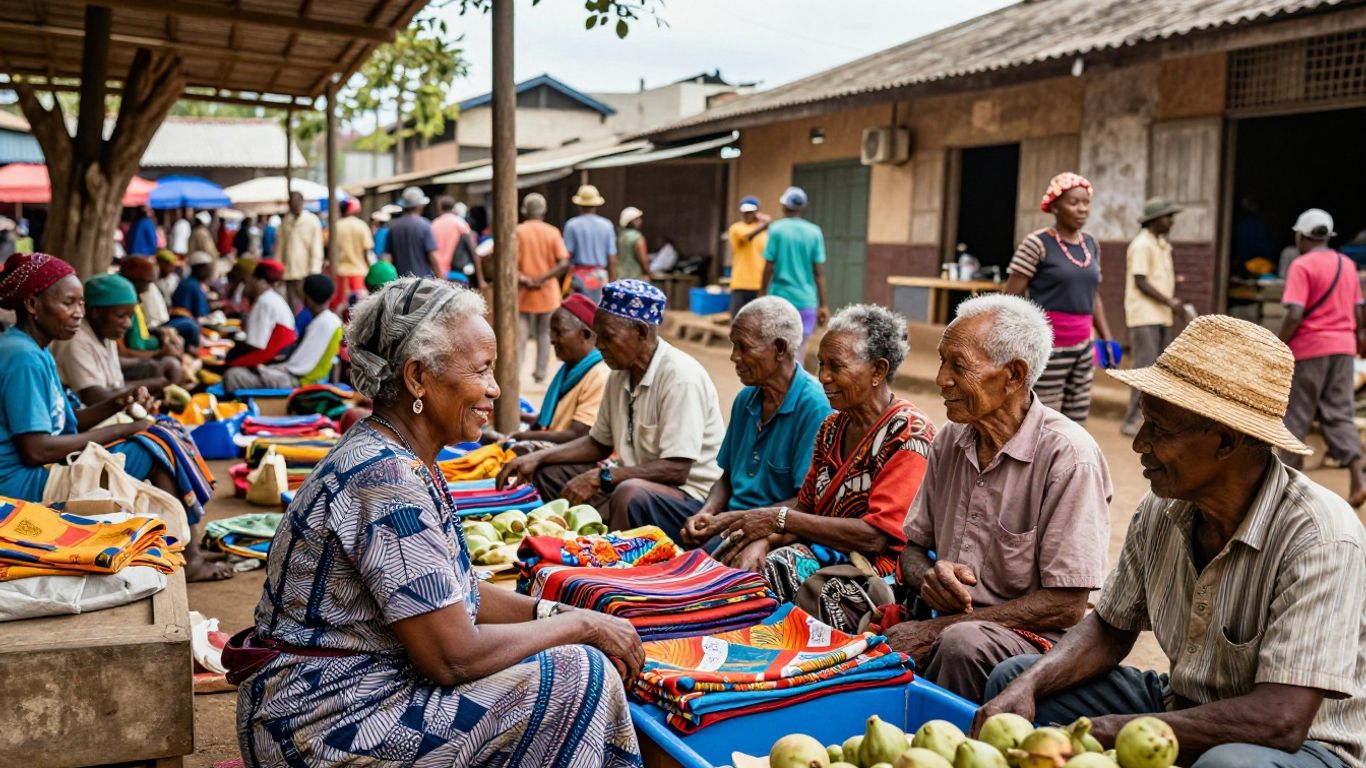
One size definitely does not fit all when it comes to retirement planning. You can’t expect a farmer in a rural area to have the same needs or options as a small business owner in a city. Their income streams are different, their expenses are different, and their access to financial services is often vastly different. We need plans that are flexible and adaptable. This means considering things like irregular income, different saving capacities, and varying levels of access to formal financial systems. For example, a market vendor might need a savings plan that allows for small, frequent contributions, rather than a rigid monthly payment. Financial education needs to be practical and relevant to these varied life circumstances, helping people make the best choices for their specific situation.
Challenges For The Self-Employed Retiree
Rethinking Contributions For Independent Workers
For folks who’ve spent their careers working for themselves, retirement planning often feels like trying to nail jelly to a wall. There’s no employer automatically taking a chunk out of your paycheck for a pension. It’s all on you. This means you’ve got to be disciplined, which, let’s be honest, isn’t always easy when you’re juggling running a business and, you know, living life. The government might offer some safety nets, but they’re often not enough to live on, especially if you’re used to a certain standard. We need systems that make it simpler for independent workers to put money aside. Think about how some countries allow for flexible contributions, letting you pay more when business is good and less when it’s slow. It’s about making it work for the reality of self-employment, not forcing a one-size-fits-all approach. This is a big deal for people who contribute so much to the economy but often get overlooked when it comes to retirement security. It’s about recognizing their unique situation and building retirement plans that actually fit their lives, not the other way around. We need to encourage more people to think about their future, even when the present is demanding. It’s a tough balance, for sure.
Flexibility In Savings And Withdrawals
When you’re self-employed, your income can bounce around like a rubber ball. One month you’re rolling in it, the next you’re scraping by. This makes saving for retirement a real headache. You can’t just set and forget a fixed amount each month. What you need are savings plans that let you adjust your contributions. Maybe you can put in extra when you have a big project, and then dial it back when things are quiet. The same goes for taking money out. Life happens. Sometimes you need access to your retirement funds for unexpected expenses, not just when you hit a certain age. Having options for flexible withdrawals, without getting hit with massive penalties, is key. It’s about giving people control over their money, especially when their work life isn’t a steady 9-to-5. This kind of flexibility is what makes retirement planning feel less like a burden and more like a sensible step. It’s about adapting to the real world of work for independent earners. We’ve seen how pension dynamics in rural Thailand can be affected by these very issues.
Addressing Immediate Needs Over Future Security
It’s a tough spot to be in: do you pay the bills this month, or do you save for a retirement that feels a million miles away? For many self-employed individuals, the immediate needs always seem to win. Rent, food, unexpected car repairs – these things can’t wait. Saving for retirement often gets pushed to the back burner, especially when you’re worried about making ends meet today. This is where the perception of old age can really play a role. If people see retirement as a bleak, uncertain time, why would they sacrifice their present comfort for it? We need to shift that thinking. It’s not just about having money; it’s about having a secure and comfortable future. This requires a combination of better financial education and more accessible, flexible retirement products. It’s about making the future feel less daunting and more achievable. The focus needs to be on building a bridge between today’s struggles and tomorrow’s security. It’s a challenge that requires practical solutions, not just wishful thinking. We need to make sure that people aren’t forced to choose between eating today and having enough to live on later. This is a core issue for Indonesians facing retirement challenges.
The reality for many self-employed individuals is that their income is unpredictable, making consistent retirement savings a significant hurdle. Prioritizing immediate financial obligations often takes precedence over long-term planning, creating a precarious situation for their future financial well-being.
The Role Of Private Savings In Retirement
Look, nobody wants to be a burden on their family or the state when they get older. That’s just common sense. Relying solely on government handouts or hoping your kids will take care of you isn’t exactly a solid plan. This is where private savings come into play. It’s about taking personal responsibility for your future. Building your own nest egg gives you freedom and dignity in your later years.
Encouraging Private Investment In Pensions
Getting people to actually put money into private pension plans can be a tough nut to crack, especially in places where folks are just trying to make ends meet day-to-day. It’s not always about a lack of desire, but often a lack of means or understanding. We need systems that are easy to get into and easy to understand. Think about it: if you’re a market vendor in Fiji, you’re not going to be thrilled with a plan that requires a steady, employer-matched contribution when your income bounces around like a rubber ball. They’d rather have something flexible, something that works with their livelihood, not against it. Policymakers need to get creative here and design plans that fit the reality of self-employment, not some ivory tower ideal. Maybe something like voluntary contributions that don’t require a middleman. You can find some ideas on how to boost savings on sites like AARP, but the core issue is making it practical for the average person.
Integrating Public And Private Retirement Pillars
Most experts agree that a mix is best. You can’t just have one thing. The World Bank talks about a ‘three-pillar’ system, which basically means combining what the government does with what you do yourself, and maybe some employer stuff too. It’s about making sure all these pieces work together. You don’t want your private savings plan to be completely separate from your government pension; they should complement each other. This approach helps spread the risk and provides a more stable income stream. It’s about building a sturdy structure, not just a single, shaky leg. This kind of integrated approach is key to long-term financial security.
The Importance Of Accessible Financial Services
It’s no good having a great private savings plan if nobody can actually access it or understand it. We’re talking about making financial services available to everyone, not just the well-off or the super-savvy. This means having banks and financial institutions that are willing to work with people from all walks of life, including those in the informal sector. If you’re a farmer in Thailand, you need a pension that actually helps you live better after you stop working, not just a token amount. And that requires access to decent financial services. It’s not rocket science, but it does require effort. Companies like SpaceX are looking at massive capital needs for their projects, and while that’s a different scale, the principle of needing accessible capital and services is similar in its own way for individuals saving for retirement [6871].
The reality is, personal responsibility is the bedrock of a secure retirement. While government programs have a role, they can’t be the whole story. Private savings, when made accessible and understandable, offer the best path to true financial independence in old age.
Health And Retirement Decisions
When you’re thinking about retirement, especially in places where the safety net isn’t exactly robust, your health becomes a pretty big deal. It’s not just about feeling good; it’s about whether you can actually afford to stay healthy. For many folks, especially those who haven’t been able to build up a big nest egg, health insurance is the main thing that dictates when they can finally hang up their boots. If you don’t have coverage, the thought of getting sick can be terrifying, pushing retirement further down the road than you’d like.
Health Insurance As A Retirement Driver
This is where things get really practical. Without a steady paycheck, medical bills can sink you faster than a leaky boat. Many people in developing nations rely on employer-provided health insurance. When that disappears with retirement, the scramble for affordable coverage begins. Sometimes, this means delaying retirement until you can secure a plan, or perhaps taking on part-time work just to keep that insurance active. It’s a tough spot to be in, and it really highlights how intertwined our financial well-being and physical health are. You can’t really plan for a comfortable retirement if you’re constantly worried about a medical emergency wiping you out. It’s a good idea to look into options for affordable health plans well before you plan to stop working.
The Impact Of Pensions On Mental Well-Being
It’s not all about the money, though. Knowing you have a pension, even a modest one, can do wonders for your peace of mind. It’s like a weight lifted off your shoulders. This security can lead to less stress and a generally happier outlook. On the flip side, worrying about how you’ll make ends meet, especially if you’re facing health issues, can really take a toll on your mental state. A stable income stream in retirement means you can focus on enjoying your later years, rather than constantly fretting about survival. This is especially true when you consider that retirement age itself can influence how long you live, and perhaps how healthy you are during those years according to some studies.
Balancing Work And Leisure In Later Years
So, what do you do when you’re technically retired but still need to work, or want to? Many people find themselves in this situation. Maybe they need the money, or maybe they just miss the routine and social interaction. It’s a delicate balance. You want to enjoy your free time, pursue hobbies, and spend time with family, but you also have to be realistic about your financial needs and your health. Some folks find that part-time work or consulting is the perfect middle ground. It keeps them engaged and brings in a little extra cash without the full-time grind. Others might choose to volunteer or take up a new skill. The key is finding something that fits your energy levels and your budget. It’s about making retirement work for you, not the other way around.
The decision to retire is rarely just about age or money; it’s a complex mix of health, personal desires, and the economic realities of the day. For many, especially in developing economies, health concerns are the primary driver, forcing difficult choices about when to stop working and how to manage medical costs without a steady income.
Country-Specific Retirement Insights
Retirement Realities In China’s Informal Sector
China’s massive informal sector presents a unique set of retirement challenges. Many workers, especially in rural areas, don’t have access to formal pension plans. The New Rural Society Pension Insurance Program (NRSPI) has been a step forward, aiming to provide some income security. Studies show it can help with mental well-being by reducing depression, and it might even encourage adult children to stay closer to home. Some research even suggests these pensions can improve land use efficiency, as older farmers might lease out their land to more productive younger folks. It’s not a perfect system, but it’s an attempt to address a huge problem.
Pension Dynamics In Rural Thailand
In rural Thailand, farming is a way of life for many, and retirement often means figuring out how to manage on less income. The current old-age allowance isn’t always enough to keep folks comfortable. Some older farmers are looking at ways to adapt, like using technology that requires less physical labor or finding less demanding work off the farm. Others might lease or sell their land. The big hurdle is that only a small number of these farmers actually have access to any kind of pension plan. It’s a tough situation when your livelihood is tied to the land and formal retirement options are scarce.
Indonesia’s Pension Participation Hurdles
Indonesia faces significant issues with people participating in pension programs. A big reason is that the available employee and occupational pension schemes just aren’t cutting it for many workers. The contributions can feel like a heavy burden on their finances, and frankly, a lot of people don’t really understand how these schemes work. It’s a shame because these plans can actually influence when people think about retiring and even help keep them from quitting their jobs. But if the plans are too costly or confusing, people just won’t sign up. We need simpler options that people can actually afford and understand, maybe looking at pension systems in major developing economies for ideas.
The path to a secure retirement in developing nations is far from straightforward. It’s a complex puzzle involving informal economies, limited access to formal financial products, and varying levels of financial knowledge. Simply expecting people to save for a distant future when they’re struggling to make ends meet today is unrealistic. Policy needs to be practical and address immediate concerns while building for the long term.
It’s clear that a one-size-fits-all approach won’t work. Different countries, and even different regions within countries, have their own unique sets of problems and potential solutions. We’re seeing a global trend towards later retirement ages, but that’s often driven by necessity, not choice, in these economies. The focus needs to be on creating accessible, understandable, and affordable retirement solutions that fit the realities of everyday life for millions.
Policy Implications For Retirement Security
When we talk about making sure folks have enough to live on when they stop working, especially in places where the economy is still growing, it’s not just about hoping for the best. We need practical steps, and that means governments and institutions have to get smart about how they design and manage retirement plans. It’s about making things work for real people, not just on paper.
Simplifying Pension Products For Wider Adoption
Look, a lot of the retirement plans out there are just too complicated. People get lost in the paperwork and the jargon, and then they just give up. We need to make these products as straightforward as possible. Think simple language, clear choices, and easy ways to sign up. If people can’t understand it, they won’t use it. It’s like trying to assemble furniture without instructions – frustrating and usually ends badly. We need to make sure that even someone without a fancy degree can figure out how to save for their future. This is especially true for those in the informal sector who might not have a dedicated HR department to explain things. Making things simple is key to getting more people involved in saving for their golden years.
Strengthening Enforcement Of Pension Regulations
It’s one thing to have rules on the books, but it’s another thing entirely to make sure people actually follow them. We’ve seen plenty of cases where regulations are weak, and that leaves workers vulnerable. Stronger enforcement means that companies can’t just ignore their obligations to their employees’ retirement funds. This isn’t about creating a massive bureaucracy; it’s about ensuring a basic level of fairness and security. Without teeth, regulations are just suggestions. We need to hold those accountable who don’t play by the rules, protecting the hard-earned money of workers. This also means making sure that government oversight is effective and not just a rubber stamp. It’s about making sure the system actually works as intended, not just on paper. For countries looking to build a stable retirement system, this is non-negotiable.
The Cost-Effectiveness Of Retirement Reforms
Any changes we make to retirement systems need to be looked at from a practical, cost-benefit perspective. We can’t just throw money at problems without seeing if it actually solves anything. Reforms need to be sustainable in the long run. This means looking at how much things cost to implement and what the actual benefits are for the people we’re trying to help. Sometimes, the simplest solutions are the most effective. For instance, instead of complex new programs, maybe we just need to better fund and manage the ones we already have. It’s about getting the most bang for our buck, making sure that taxpayer money is used wisely to provide real security for retirees. We need to be smart about this, focusing on reforms that deliver tangible results without breaking the bank. It’s a balancing act, for sure, but one that’s absolutely necessary for long-term success. We need to consider how reforms impact the overall economy and individual incentives, like those that encourage working longer.
Here’s a quick look at what we need to consider:
- Clearer communication about pension benefits.
- Streamlined processes for enrollment and claims.
- Robust oversight to prevent fraud and mismanagement.
- Regular reviews to adapt to changing economic conditions.
Making retirement security work in developing nations isn’t just about setting up funds; it’s about building trust and making the system accessible and reliable for everyone. It requires a commitment to simplicity, strong oversight, and a sharp eye on what’s actually effective.
Future Outlook For Retirement In Developing Nations
Looking ahead, the retirement landscape in developing nations is set for some big shifts. We’re seeing a move towards more flexible pension systems, which is good news for folks who haven’t always had a steady job or a predictable income. The old ways of thinking about retirement just don’t cut it anymore. Governments and private companies are starting to realize they need to offer more options that actually fit people’s lives.
Demographics are changing, too. People are living longer, which means retirement funds need to stretch further. This puts pressure on existing systems and pushes for reforms. It’s not just about having a pension; it’s about making sure that pension is enough to live on comfortably. We’re also seeing a push for better financial education, so people understand what they’re signing up for and how to make their savings work for them. It’s a tough nut to crack, especially when immediate needs often overshadow long-term planning.
Adapting To Demographic Shifts
Life expectancies are ticking up across the board. This means retirement funds need to last longer. It’s a simple math problem, really. If people are living to 80 or 90, a pension designed for someone who only lived to 70 isn’t going to cut it. This is forcing countries to look at raising the retirement age, like we’re seeing in some OECD countries [06ba]. It’s not a popular move, but it might be necessary to keep the whole system from collapsing. We also need to think about how to support a larger elderly population that might still be relatively healthy and capable of working, if they choose to. It’s about finding a balance.
The Evolving Role Of Government And Private Sector
For a long time, the government was expected to be the main provider of retirement security. That’s changing. While governments will still play a role, especially in setting regulations and providing a safety net, the private sector is stepping up. Think more private pension plans, investment options, and financial services tailored to different needs. This partnership is key. The government can set the rules, but private companies often have the innovation and reach to create products that people actually want to use. The retirement industry is definitely seeing a transformation [4cd7].
Ensuring Sustainable Retirement Income For All
Ultimately, the goal is to make sure everyone has enough to live on when they stop working. This means simplifying pension products so they’re easier to understand and access, especially for those in the informal sector. It also means cracking down on non-compliance and making sure regulations are actually followed. We need systems that are fair, flexible, and sustainable. It’s a tall order, but with smart policies and a willingness to adapt, it’s achievable. We can’t just leave people to fend for themselves when they’re old.
The future of retirement in developing nations hinges on creating systems that are both robust and adaptable. This involves a delicate dance between government oversight and private sector innovation, all while keeping the needs of a diverse and aging population at the forefront. Ignoring these shifts is not an option; proactive planning and reform are the only paths forward to secure the financial well-being of future retirees.
Conclusion
Planning for retirement in developing countries is definitely a mixed bag. You’ve got folks working hard in jobs that don’t always offer a safety net, and then you have the systems trying to catch them. It’s clear that just having a pension isn’t enough; people need to understand it and trust it. The informal sector, in particular, needs solutions that are flexible and easy to get into. As populations grow and age, governments and private groups really need to step up and make sure everyone has a shot at a secure old age. It’s not just about money; it’s about dignity and well-being in later life. The path forward means simpler rules, better education, and plans that actually fit people’s lives, not the other way around.
Frequently Asked Questions
What’s the biggest problem for retirement in poorer countries?
A lot of people work jobs where there’s no company pension or savings plan. This is called the ‘informal sector,’ and it’s a huge group that often gets left out when it comes to saving for old age.
Are there government pensions in these countries?
Yes, many governments try to help. Some have plans where only the very poor get help (means-tested), while others try to give something to everyone (universal). But making these work well is tricky.
Why don’t more people save for retirement?
Sometimes, people just don’t know how. They might not understand how money grows over time or how pension plans work. Also, they often need their money for daily life right now, so saving for far away seems less important.
Is it harder for self-employed people to retire?
Definitely. If you run your own business or work for yourself, you don’t have an employer putting money aside for you. You have to figure out your own savings, and it’s hard to be consistent when your income changes a lot.
Does health matter when deciding to retire?
It matters a lot. If someone is not healthy, they might have to stop working sooner than planned, even if they haven’t saved enough. Having health insurance can also push people to retire because they can get care.
What about private savings, like in a bank?
Private savings are important, but people need easy ways to save and invest. Banks and other money places need to make their services simple and available to everyone, not just those who know a lot about finance.
Can pensions help people feel better?
Studies show that having a pension can reduce stress and worry about money, which is good for mental health. Knowing you have some income coming in during retirement can make a big difference.
What’s the future looking like for retirement in these places?
It’s changing. More people are living longer, and the number of older folks is growing. Governments and private companies will need to work together to create better, more reachable retirement options for everyone.