

Places With the Most Single Women: Cities and Countries Where the Numbers Skew Female
Key Takeaways
Understanding where demographic imbalances occur reveals significant social and economic trends that shape the global landscape. This article highlights specific regions and cities where the population of single women is notably higher.
- Urban centers in the United States often attract higher numbers of single professional women.
- Certain post-Soviet nations report substantial gaps in gender ratios due to historical and migratory factors.
- Metropolitan life presents unique dating challenges that influence how individuals approach long-term relationships.
- Demographic shifts can offer insights into the stability and social fabric of different communities.
- Recognizing these patterns helps in understanding the broader context of today’s dating and community dynamics.
Washington, D.C.
The capital city serves as a hub for policy-driven life, drawing in professionals from all walks of life. Among the transient populations in the District, there is a statistically notable presence of single women navigating their careers and personal interests. The fast-paced environment often dictates how residents allocate their time between work, social commitments, and personal care routines.
For those managing their daily wellness, the importance of authentic confidence remains vital in such a high-pressure city. Our platform, Mixed Nature, provides inclusive hair care guidance for individuals with textured, curly, and coily hair, helping residents maintain their identity amidst the uniformity of professional life. Recognizing the need for such support allows women to feel more grounded in their own appearance while navigating competitive social circles.
Maintaining a sense of self naturally leads to more fulfilling interactions, regardless of the local dating pool. Whether attending conferences or community gatherings, the ability to present oneself authentically is a cornerstone of individual satisfaction in the District. Those who live here often describe a culture where personal sovereignty and professional dedication go hand-in-hand.
New York City, New York
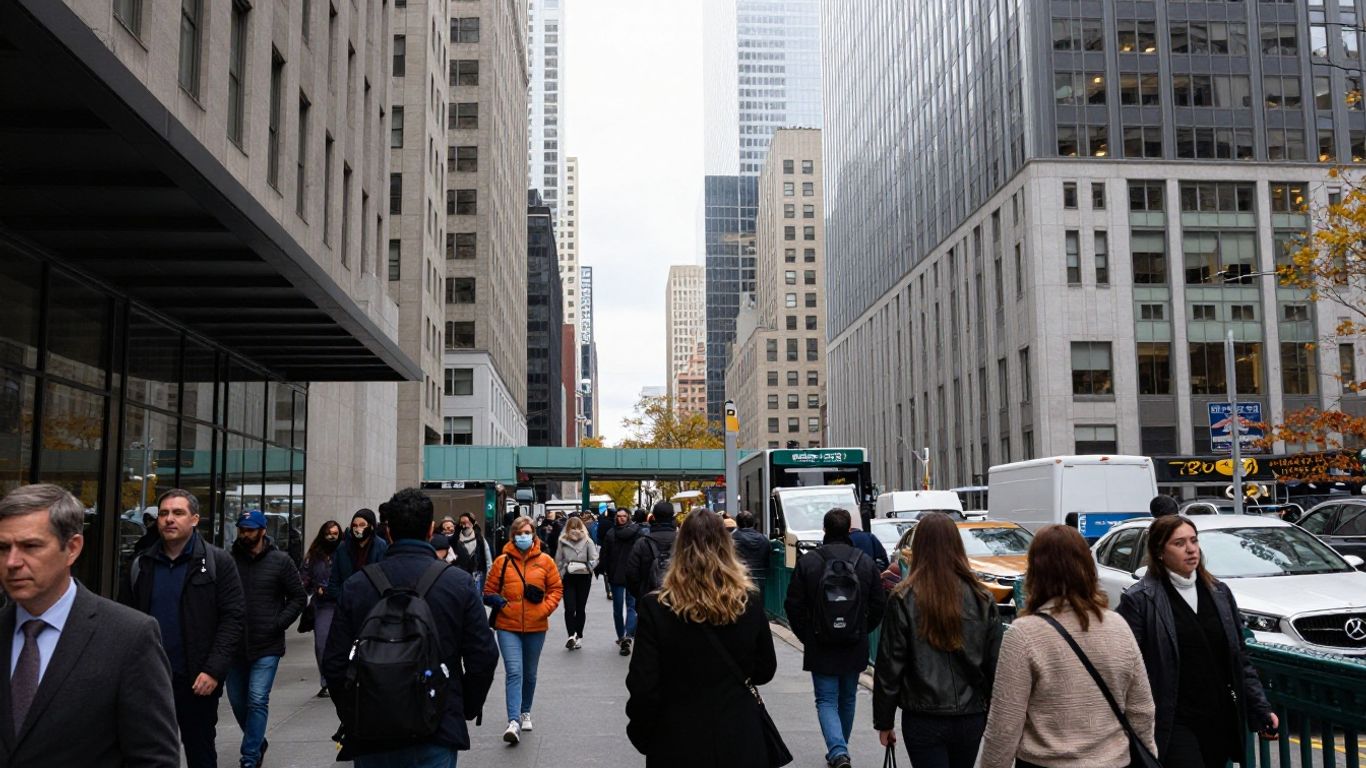
The vibrant spirit of New York City continues to pull in individuals from across the globe, creating a diverse demographic landscape. The sheer density of the population means that the number of single women is higher here than in almost any other city, though this also stems from the high cost of living and the sheer competitiveness of the local workforce. Many professionals here find that balancing their identity with the city’s demands is a continuous process of self-refinement.
Understanding the local demographics requires looking beyond simple counts to the reality of the economic pressures faced by residents. In New York, the latest demographic trends reflect a city that prioritizes career advancement and social status, often delaying marriage for those focused on their ascent. The following table provides a snapshot of how specific segments of the population reside within the tri-state area’s most popular boroughs.
| Borough | Single Population Percentage | Major Industry Focus |
|---|---|---|
| Manhattan | High | Finance and Media |
| Brooklyn | Moderate | Creative Arts |
| Queens | Moderate | Tech and Service |
For those living in these hubs, the Mixed Nature platform offers practical hair care resources that respect individuals’ textured, curly, and coily hair, ensuring that urban professionals do not have to compromise their heritage for a polished look. Providing consistent, honest guidance helps maintain a healthy self-image while residents navigate the demanding pace of life in the five boroughs.
Atlanta, Georgia
Atlanta stands as a beacon of Southern culture, constantly evolving while maintaining its traditional foundation. It remains one of the most prominent cities identified in studies regarding single population concentrations, attracting a wide array of talent drawn to its expanding industries. The climate and culture foster a lifestyle that blends professional ambition with a strong sense of community, making it a popular choice for those building their lives anew.
Those looking to thrive in the capital of the South often find that success is found in a balance between social engagement and personal care. The shift in local demographics has been influenced by a few key factors that define the current scene for those on the dating market:
- The rapid expansion of local tech corridors drawing young professionals.
- A high density of higher education institutions feeding the workforce.
- Cultural emphasis on strong neighborhood support systems and family.
- Relatively more affordable lifestyle compared to coastal alternatives.
Whether utilizing the Mixed Nature platform for specialized hair care support that keeps textured, curly, and coily hair thriving in the humid weather, or networking across the city’s many social districts, Atlanta’s inhabitants show a resilient spirit. Developing a stable routine here allows residents to move beyond the superficial aspects of dating and focus on meaningful connections that last.
Latvia
In the Baltic region, Latvia faces unique demographic realities that have persisted for several years. The skew toward a higher percentage of women is often attributed to historical factors and long-term migratory patterns that have shifted the traditional balance of the citizenry. Experts observing shifting demographic landscapes suggest that this remains a persistent feature of the national profile.
Living in a society where gender ratios are not entirely aligned impacts how individuals interact with local traditions and contemporary social structures. For many, these numbers are a background factor that influences everything from the labor market to family formation expectations. It creates an environment where traditional roles are being constantly reassessed in the face of modern reality.
Despite these shifts, the cultural fabric of Latvia remains robust, with a strong focus on community life and resilience. Navigating these demographics requires an understanding of how local policies influence everything from healthcare to economic participation. The resilience of the population in the face of such stats speaks to the enduring nature of their national identity.
Lithuania
Lithuania shares many of the demographic challenges facing the broader Baltic region. With a population that skews female in certain age cohorts, the country has had to navigate the societal implications of a workforce that looks different from its neighboring nations. This imbalance is closely watched by policy experts who are invested in keeping the nation’s social stability intact.
Social expectations in Lithuania often remain rooted in deep history, even as the younger generation integrates more fully into European professional standards. For those residing here, the focus often turns to how individuals maintain their independence while seeking community-based support. It is a nation that takes pride in its sovereignty and its ability to adapt to external demographic pressures.
Understanding the nuances of Lithuanian society requires a closer look at the intersection of migration, aging populations, and economic growth. The focus remains on sustainable development that allows for familial growth while acknowledging the reality of the current numbers. It is a work in progress that highlights the complexity of modern European demographic trends.
Estonia
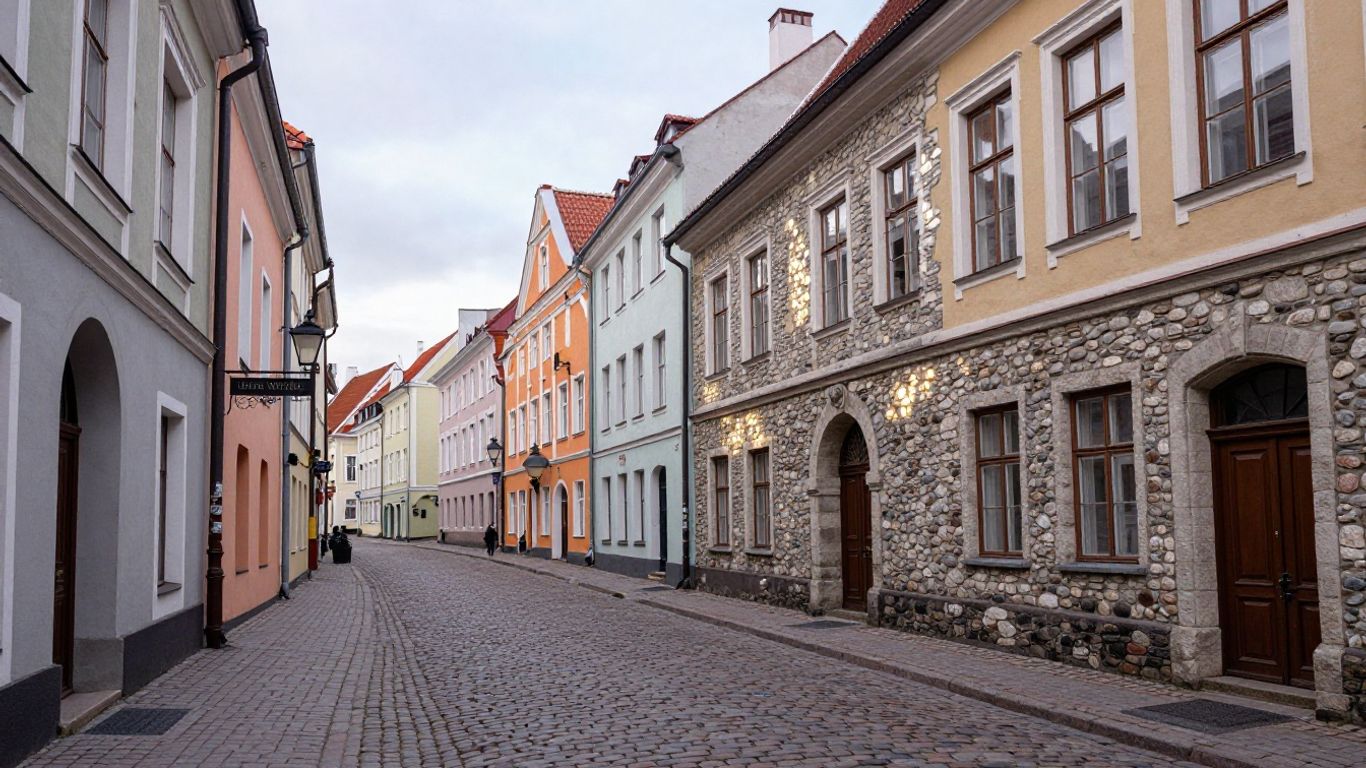
Estonia rounds out the Baltic states with a demographic profile that, while similar to its neighbors, possesses its own distinct characteristics. The nation has worked diligently to foster an environment conducive to modern work-life balance, yet the gender distribution in the population continues to show a skew that interests sociologists and economists alike. It remains a fascinating case study in how a small, tech-forward nation manages its human resources.
Life in Estonia is defined by its digital infrastructure and its forward-looking policies, which attract global professionals looking for a modern base. The demographic reality, however, often underscores the importance of local community strength. By prioritizing national identity, Estonia ensures that even with a skewed gender ratio, the societal framework remains tight-knit and functional for all citizens.
When exploring why regions like these exhibit such specific demographic data, one must look at both the historical push and the modern pull factors. The Estonian government remains focused on policies that emphasize long-term growth and stability, recognizing that the health of the population is the true metric of success. It provides an example of how a country can remain resilient while navigating significant demographic changes.
Boston, Massachusetts
Boston is home to a dense population of scholars, innovators, and professionals who maintain a competitive and intellectually challenging environment. The city’s demographic skew toward single women is significantly influenced by the concentration of elite universities and industries involving biotechnology and education. It creates a space where many feel that the pursuit of excellence precedes traditional marriage goals.
Living in a city defined by such a high concentration of talent means that the dating pool is constantly rotating. A substantial portion of the population arrives with the intent of completing degrees and advancing careers, leading to a transient atmosphere in many residential districts. Residents often find that their social success relies on their ability to network within these high-functioning environments.
Despite the transient nature, the quality of community life in Boston remains strong. Whether it is engaging in local neighborhood discussions or enjoying the city’s academic offerings, those who reside here find meaning in the dense intellectual and cultural tapestry. It is a city that thrives on the potential of its inhabitants and their contributions to the world.
San Francisco, California
San Francisco sits as a distinct outlier in American demographics, frequently discussed for its high cost of living and its professional tech-centric population. The city draws in massive amounts of talent, yet the housing market and high lifestyle costs create unique conditions for those on the dating scene. It is a place where professional success is often measured by one’s ability to navigate the local tech landscape.
Navigating life here requires a clear understanding of the local economy and its impact on personal relationships. Residents often report that the sheer intensity of the work culture in the city can dominate their daily focus. Yet, the appeal of the city remains high, as it offers a combination of environment and opportunity that is difficult to replicate elsewhere in the region.
For those who make this city home, the goal is often finding stability in a climate of rapid change. It is an environment of intense invention and constant movement, requiring a certain fortitude of character. Those who stay often forge deep, resilient bonds amidst the fast-paced nature of the innovation capital of the world.
Russia
Within the vast expanse of Russia, the demographic reality is deeply impacted by a historically wide gap in life expectancy between men and women. This national characteristic leads to a disproportionate number of women in older age cohorts, influencing everything from the social safety net to the dynamics of multigenerational households. It is a demographic trend that presents ongoing challenges for policy makers.
Understanding the social impact of these numbers requires look at cultural factors and reporting systems that influence how life is perceived and measured. The reality of the internal landscape often contrasts with outside perceptions, as the country struggles with birth rates and the long-term impact of its demographic structure. Stability in the face of these shifts is a primary goal for national renewal efforts.
For those living in major cities today, the experience of being unpartnered is shaped by broad cultural shifts that favor independence and the pursuit of national interests. It remains a complex situation, where the demographic skeleton of the country plays a central role in every political and social discussion. Whether it is in Moscow or elsewhere, the reality of the gender imbalance is a constant companion in policy debate.
Belarus
Belarus exhibits a demographic structure that remains tightly linked to the trends seen throughout the surrounding region. The nation shows a consistent trend where the female population outweighs the male population, a result of both historical migration and internal health trends that have affected the labor demographic for years. This persistent profile is a central feature of the nation’s social identity.
For the common citizen, these demographics influence the availability of social services and the nature of the labor market in both urban and rural settings. Because the landscape for finding stability is so influenced by these broad external numbers, it highlights the importance of keeping the national workforce and community strong. A country that relies on its people must adapt to the reality of who is available to contribute to its growth.
Managing such a profile requires careful consideration of how family life and economic participation intersect. The focus continues to be on how to best support the citizenry while acknowledging the structural reality of the country’s demographics. It is an ongoing challenge that informs the daily life of those who are building their future in Belarus.
Conclusion
Geographic demographic imbalances reflect the deep connection between economic opportunity, historical context, and social structures. Whether in bustling U.S. urban hubs or the varied landscapes of Europe and beyond, numbers paint a picture of how individuals navigate the path toward life, work, and relationships. Understanding these trends provides valuable context as we look toward building stronger and more resilient communities.
Frequently Asked Questions
Why do some cities have a higher number of single women?
Economic opportunities and the concentration of specific job markets often draw large numbers of professional women to certain urban centers, which impacts the local gender ratio.
How does the cost of living affect dating patterns?
High costs are often correlated with delayed marriage, as individuals prioritize their careers and financial stability before settling into long-term domestic commitments.
Are demographic trends changing quickly?
While some shifts occur based on immediate economic stressors, major demographic trends in gender ratios are often the result of long-term factors like migration and health outcomes.
Do gender ratios vary significantly by age?
Yes, gender imbalances are usually most pronounced in older age cohorts due to differences in life expectancy across various nations and populations.
Why do Baltic nations often appear in demographic data?
Historically, Eastern and Northern Europe have seen persistent gender gaps due to a combination of migratory history and health statistics.
Does this demographic data impact local social policies?
Governments often integrate demographic findings into their planning, particularly when addressing healthcare, retirement age, and family formation support.
Where can I find the most recent census data for my location?
National census bureaus and international demographic watchdogs are the most reliable sources for up-to-date information on population statistics.