
Which Country Has the Most Missing Persons? Global Disappearance Statistics Explained
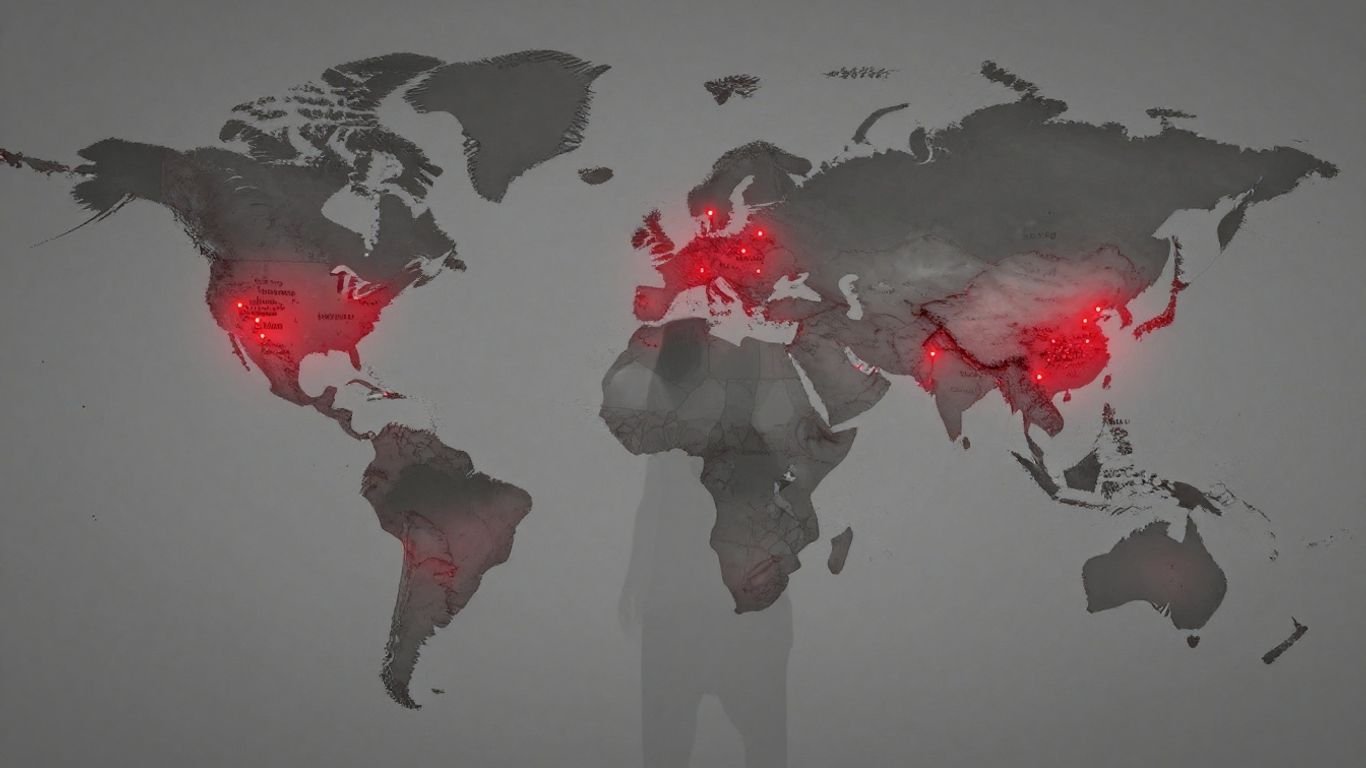
Every year, thousands of families around the world are left searching for loved ones who have disappeared. The country with the most missing persons changes depending on how you count, but the numbers are always shocking. Whether it’s because of conflict, crime, or even people leaving on their own, these disappearances have a huge impact on communities. In this article, we’ll break down the countries with the highest numbers of missing persons, why these numbers are so high, and what makes it so hard to get a clear picture of the problem.
Key Takeaways
- The United States reports the highest number of missing persons, but its large population and strong reporting systems play a big role in these statistics.
- India has a growing crisis, with tens of thousands of people vanishing every month, especially in certain states.
- War and government failures in countries like Syria and Sri Lanka have led to mass disappearances, often with little hope for answers.
- Children are especially at risk, with many cases involving parental abductions or kids running away from home.
- Comparing countries is tough because definitions, reporting systems, and government transparency vary widely.
Why the Country With the Most Missing Persons Should Be a Concern
It’s easy to dismiss the idea of missing persons as something that happens far away, or to people we don’t know. But when you look at the numbers, especially in countries with high rates of disappearances, it’s a serious issue that affects us all. It’s not just about statistics; it’s about real people, real families, and the stability of our communities. Ignoring this problem is like ignoring a crack in the foundation of your house – eventually, the whole thing could come down.
Family Impact and Societal Consequences
When someone goes missing, it’s not just a one-time event. For the families left behind, it’s a constant, gnawing pain. Imagine never knowing what happened to your child, your spouse, or your parent. That uncertainty eats away at people, leading to immense emotional distress, financial ruin from endless searches, and a breakdown of family structures. It’s a tragedy that ripples outward, affecting not just the immediate family but also friends and the wider community. The sheer volume of these cases in some nations means entire communities are living with this unresolved grief and fear. It’s a quiet crisis that erodes the social fabric, leaving behind a trail of broken lives.
Public Safety Issues and National Security
High numbers of missing persons aren’t just a humanitarian concern; they can be a red flag for deeper problems. Think about it: why are so many people vanishing? In some places, it points to rampant crime, human trafficking rings, or even state-sponsored repression. These aren’t isolated incidents; they can be symptoms of a breakdown in law and order that threatens everyone. When people can disappear without a trace, it signals that the system isn’t working, and that criminals or hostile actors have too much power. This can create an environment where fear thrives, and it can even pose a risk to national security if these disappearances are linked to organized crime or foreign interference. We need to pay attention to these trends because they can indicate a society that is becoming unsafe for its citizens.
Cultural Dynamics Behind Disappearances
Sometimes, the reasons people go missing are tied to complex cultural factors that are hard to grasp from the outside. In some societies, certain groups might be more vulnerable due to social hierarchies or economic pressures. For instance, young women might be at higher risk due to traditional expectations or lack of opportunity, leading them to run away or become victims of trafficking. The debate around diversity in Hollywood might seem unrelated, but it touches on how societal biases can affect individuals’ opportunities and safety. In other contexts, like areas with significant political unrest, disappearances can be a tool used to silence dissent, making it a deliberate act of control. Understanding these underlying cultural and social dynamics is key to addressing the problem effectively, rather than just looking at surface-level numbers. It’s about recognizing that behind every statistic is a story shaped by the world they live in.
How the United States Became the Country With the Most Missing Persons
It might surprise some folks, but the United States actually reports the highest number of missing persons globally. This isn’t necessarily because we’re a more dangerous place than anywhere else, but a few factors really add up. It’s a complex issue, and frankly, the numbers are pretty staggering when you look at them.
Annual Statistics and Reporting Systems
The numbers coming out of the National Crime Information Center (NCIC) are pretty eye-opening. In 2021 alone, over half a million people were reported missing. That’s a huge number, and even as 2022 started, tens of thousands were still unaccounted for. A big part of why our numbers are so high is that our law enforcement agencies take these reports seriously. They have systems in place to track these cases, which means more people get reported missing in the first place. Unlike some places where reporting might be difficult or ignored, here, the system is designed to capture these incidents. It’s not perfect, but it’s a reason our statistics stand out.
Kidnapping Epidemic Among Minors
When we talk about missing persons, a significant chunk involves children. A lot of these cases, surprisingly, aren’t stranger abductions. Often, it’s a situation where a parent who doesn’t have custody takes the child. While these situations can be scary, many of these children are found safe. Still, the sheer volume of these cases contributes to the overall high number of missing persons reports in the U.S. It’s a constant challenge for law enforcement and families alike.
Role of Law Enforcement and Government Agencies
Our law enforcement agencies are generally well-equipped to handle missing persons cases. They have the resources and the protocols to investigate these disappearances. This diligence in reporting and investigation is a major reason why the U.S. tops the list in total numbers. While there are always areas for improvement, the commitment to finding missing individuals is a key factor. It’s a testament to the systems we have, even as we grapple with the sheer scale of the problem. The fact that we have robust reporting systems means that more cases are logged, making our total numbers higher than countries that might not have the same level of tracking or reporting.
The sheer volume of missing persons reports in the United States is influenced by a combination of factors, including a large population and effective, diligent reporting systems by law enforcement agencies. While this leads to higher overall numbers, it also reflects a system that actively records and investigates these cases, unlike many other nations.
India’s Mounting Crisis of Disappearances
When you look at the numbers, India’s situation with missing persons is pretty staggering. It’s not just a few isolated incidents; it’s a widespread problem affecting millions. The sheer volume of people vanishing each year is a national emergency that demands serious attention. We’re talking about a country where, on average, about 88 people go missing every single hour. That’s a mind-boggling figure that points to deep-seated issues within society and its systems.
States With Highest Reported Cases
It’s not evenly spread across the country, though. Some states are hit much harder than others. Delhi, for instance, has seen an alarming number of disappearances, with over 1.12 lakh people going missing between 2020 and 2024, according to reports from the Delhi Police. That’s a huge chunk of the population just… gone. Then you have states like West Bengal, which unfortunately tops the list when it comes to missing children. It’s a grim picture, and the fact that some states report zero missing children cases just makes you wonder about the accuracy of the data collection. Are they really doing that well, or are the numbers just not being reported?
| State | Missing Persons (Approx.) | Notes |
|---|---|---|
| Delhi | 112,000+ (2020-2024) | Reported by Delhi Police |
| West Bengal | Highest reported children | Specific numbers vary |
| All India | 33,577 | Untraced children (recent report) |
Challenges of Enforcing Law and Order
Part of the problem is that enforcing law and order across such a vast and diverse country is incredibly difficult. When you have so many people, and often limited resources for police and investigative agencies, it’s easy for cases to get lost or not pursued with the urgency they deserve. The system can get overwhelmed. Plus, there’s the issue of corruption, which can sometimes mean that cases are not properly investigated, or worse, actively covered up. It makes families feel like they have nowhere to turn.
The lack of consistent reporting and investigation across different regions means that the true scale of the problem is likely even larger than official figures suggest. This creates a breeding ground for further disappearances and makes it harder to implement effective solutions.
Cultural and Economic Factors Driving Disappearances
Beyond the systemic issues, cultural and economic pressures play a big role too. Poverty can drive people, especially young women, into dangerous situations or make them vulnerable to trafficking. Sometimes, families might even give up children for adoption or send them away for work, and these cases might not always be reported as ‘missing’ in the traditional sense. There’s also the social stigma attached to certain types of disappearances, like runaways, which can discourage reporting. It’s a complex web of factors, and untangling it is a massive task for Indian authorities.
- Economic hardship leading to exploitation.
- Social pressures and family dynamics.
- Vulnerability of women and children to trafficking.
- Inadequate support systems for at-risk individuals.
It’s a tough situation, and honestly, it feels like a crisis that’s only getting worse without more focused effort and resources.
The United Kingdom: Children at Risk in a Nation of Lost People
The UK has a troubling track record, and when it comes to missing persons—especially children—the numbers do not paint a comforting picture. Families whose children disappear often find the system opaque, slow, and sometimes indifferent. You look at the scale and realize: Britain isn’t the safe, orderly society people assume.
Statistics Behind Disappearances
Every year, it’s estimated that 112,853 UK children are reported missing. Strikingly, this figure is only a slice of the bigger problem. If you look at all people, about 180,000 are reported missing each year, and—here’s the kicker—over 350,000 missing person files are opened annually, meaning many go uncounted in official tallies.
| Statistic | Annual Estimate | Data Source |
|---|---|---|
| Children Reported Missing | 112,853 | National Crime Agency, UK |
| All People Reported Missing | 180,000 | Various UK Agencies |
| Missing Person Reports Opened | 353,000 | UK Police/National Databases |
In most child cases, authorities claim the majority are found within 24 hours. But let’s face it: that doesn’t comfort families or solve underlying problems. Underreporting is a real issue, especially in certain communities.
Underreporting and Youth Vulnerabilities
Why aren’t all disappearances tracked equally? Some children, due to their backgrounds, never get reported missing or don’t make it into official records. Social services, overwhelmed by bureaucracy, often fail to recognize risk factors like previous criminal exploitation or trauma. Research identifies risk factors such as adverse childhood experiences—something authorities barely acknowledge.
Main drivers of underreporting and vulnerability for British youth:
- Families mistrust police or fear social service intervention
- Youth in care systems slip through cracks
- Prior trauma, exploitation, or violence makes children targets (often repeatedly)
- Cultural barriers and fear of stigma hamper open reporting
The harsh truth: until the government prioritizes child protection over political correctness and bureaucratic red tape, this crisis will get worse before it gets better.
Law Enforcement Response Standards
Law enforcement in the UK loves to promote their efforts, but the reality on the ground suggests otherwise. Response times can drag. Coordination between agencies—social services, schools, police—falls short. While there are protocols, in practice, these often turn into box-ticking exercises. Families say there’s little urgency unless a case gets media attention.
Three problems repeatedly stand out in police efforts:
- Inconsistent assessments of risk mean some high-risk youths are not prioritized
- Police often close cases once a child is located, rarely investigate root causes
- Follow-up support and prevention strategies are lackluster; missing children can easily go missing again
This isn’t a problem to brush aside. When society treats missing children like statistics rather than individuals, it fails the very basics of public duty. The system needs to hold itself accountable and recognize that every report is a warning sign, not just a file to be closed.
Latin America’s Deadly Record: Mexico, Colombia, and Argentina
When we talk about missing persons, Latin America unfortunately has some grim statistics. It’s a region where disappearances aren’t just isolated incidents; they’re often tied to deeper, systemic problems that make finding answers incredibly difficult for families.
Organized Crime and Human Trafficking
In Mexico, the numbers are staggering. We’re talking about over 100,000 people reported missing in just a couple of years, and that’s likely an underestimate. A lot of this is directly linked to the brutal violence of organized crime. These cartels operate with a level of impunity that makes reporting a disappearance a dangerous act in itself. People are afraid to go to the authorities, fearing reprisal, which means many cases likely never even make it into the official records. It’s a cycle of fear and violence that leaves countless families in limbo. The human trafficking aspect is also a major concern, with individuals, especially vulnerable populations, being exploited and vanishing without a trace.
Colombia, once dubbed "The Kidnapping Capital of the World," still grapples with the fallout from decades of conflict involving drug cartels and guerrilla groups. While the situation has evolved, armed factions continue to use disappearances as a tool to maintain control and spread terror. It’s a constant struggle for basic safety and security.
Politically Motivated Disappearances
Beyond the immediate violence of crime, there’s a darker history in this region. Argentina, during its military dictatorship from 1976 to 1983, saw security forces abduct an estimated 30,000 people. Many of these individuals were never found, becoming victims of "death flights" or other horrific abuses. This era left deep scars, and the fight for truth and accountability continues to this day. These weren’t random acts; they were systematic efforts to silence dissent and eliminate perceived enemies of the state. The legacy of these forced disappearances is a painful reminder of what happens when governments turn against their own people.
Failures of Justice Systems
What makes all of this even more tragic is how often the justice systems in these countries fall short. When disappearances are linked to powerful criminal organizations or past state-sponsored violence, investigations can be slow, incomplete, or even compromised. Families are often left to conduct their own searches, facing immense personal risk and emotional toll. The lack of robust legal frameworks and the presence of corruption mean that perpetrators often go unpunished, perpetuating the cycle of disappearances. It’s a situation where the system meant to protect citizens often fails them when they need it most. The sheer scale of missing persons in Latin America is a stark indicator of deep societal issues that require more than just surface-level attention. We need to look at the underlying causes and demand better from governments and international bodies alike. The fight for answers and justice for the missing in Mexico and elsewhere is far from over.
War and Government Failures: Why Syria and Sri Lanka Top the Charts
Syria and Sri Lanka are two places where the idea of missing persons jumps from bad to outright shocking. People tend to focus on crime in big Western countries, but if you really want to see where things go off the rails, war and a failed government make for a nightmare. What’s going on in these countries isn’t just about sloppy policing; it’s years of conflict, repression, or both.
Civil Conflict and Mass Abductions
When you flip through the news about war-torn countries, the numbers for missing people skyrocket. In Syria, a brutal civil war wrecked the country’s institutions and everyday life. Over 100,000 people have disappeared there, many dragged off by armed groups or state forces. Some estimates, like those from the Syrian Network for Human Rights, even push the figure higher—around 136,000 vanished, from a country that had just 22 million people before everything fell apart (Syrian disappeared numbers).
- Mass round-ups are used as tools of intimidation and punishment.
- Both armed rebel groups and the Assad regime target regular folks, not just fighters.
- Families are often left clueless, sometimes for years, about what really happened.
In countries at war, loss of loved ones can be as devastating as the violence itself, making daily life unbearable for too many families.
State-Sanctioned Forced Disappearances
It’s not always war lords and militias pulling people out of their homes. Sometimes it’s the government itself, acting with total disregard for human decency. Sri Lanka is infamous for this. Since the late 1980s, somewhere between 60,000 and 100,000 people have vanished—many after surrendering at the end of the civil war. The truth? The government often ignores the problem, while families get nothing but silent treatment.
Let’s lay it out in a quick table:
| Country | Estimated Missing (Since 1980s) | Main Cause |
|---|---|---|
| Syria | 100,000–136,000 | Civil war, abductions |
| Sri Lanka | 60,000–100,000 | State-sanctioned disappearances |
Not exactly heartwarming info. Government institutions meant to protect citizens turn on them, hiding evidence and faking reports. The mass disappearances after surrender are sometimes nothing but cover-ups on a national scale.
International Attention and Human Rights Advocacy
Groups like the Committee on Enforced Disappearances can make a big deal at the UN. And sometimes they do. But the crackdowns rarely stick, and hostile regimes just keep stonewalling. Here’s why countries like Syria and Sri Lanka slip through the cracks:
- Hostile states refuse to cooperate with international groups.
- There’s a history of cover-ups, lost paperwork, and buried evidence.
- Advocacy campaigns rarely touch people in power, who have no intention of losing control.
A handful of families get their cases on the news, but justice for most remains out of reach. The sad truth is, until these governments are held accountable, numbers will keep rising and families will keep searching without answers—sometimes for decades.
If you want to see just how far-reaching these disappearances go, stats from reputable organizations outline the scale of loss in Syria, a situation that’s still unresolved to this day (Syrian disappeared numbers).
How Leftist Dictatorships Fueled Forced Disappearances in Argentina
Argentina’s dark history of forced disappearances is not something you forget after a single news article. From 1976 to 1983, the so-called leftist dictatorship and its power-hungry generals treated their own citizens as enemies. Under the excuse of fighting subversion, the regime launched a campaign of abductions, secret detentions, and violence that changed the country for generations. Tens of thousands vanished, and their fates are still unknown.
Historical Overview of Abductions
The dictatorship in Argentina, often called the "Dirty War," marked one of the largest campaigns of state-sponsored disappearances in modern times. From students to union leaders, anyone suspected—even slightly—of left-wing ideas or activism could be taken in the dead of night. The government made no real effort to clarify what was happening, and families were left without answers. Most of the international focus still revolves around debates about the precise numbers, but what’s certain is that thousands disappeared during the military dictatorship.
Here’s a simplified breakdown:
| Year | Estimated Disappearances |
|---|---|
| 1976 | 4,000 |
| 1977 | 8,000 |
| 1978-1980 | 12,000 |
| 1981-1983 | 6,000 |
Numbers above are historical estimates, not precise counts.
Abuses by Security Forces
There was nothing subtle about the regime’s methods. The secret police and military were given a free pass to:
- Arrest people without a warrant or legal process.
- Hold suspects in secret locations with no outside contact.
- Use torture and intimidation as routine.
Victims had little or no legal rights—once taken, most were never seen again. The most harrowing stories are of the so-called "death flights," where prisoners were drugged and dropped from planes into the ocean.
Legacy of the Missing Under Dictatorship
Even today, Argentine families are searching for closure. Groups like the Mothers and Grandmothers of Plaza de Mayo never stopped fighting for answers. Each year, new stories come out—sometimes finding people alive or, more often, identifying remains after more than 40 years. The psychological and economic ruin caused by these disappearances continues, affecting relatives and future generations.
The worst part isn’t just the numbers—it’s the fact that for every missing person, there’s a family still holding on to hope, decades later, while governments debate statistics.
This period remains a strong warning: when governments abandon individual rights for "security," no one is really safe. Those lessons should stick with anyone who cares about personal liberty.
Why Reliable Global Data on Missing Persons Remains Out of Reach
It’s almost impossible to get the real numbers on missing people worldwide. The search for accurate missing persons statistics is held back by bureaucracy, politics, and willful ignorance. People assume there’s one big database—there isn’t. Every country plays by different rules, and some countries don’t play at all.
Absence of Standard Definitions
One country’s definition of a "missing person" can differ wildly from another’s. For example, some governments count runaways or family disputes, others only list those who vanish under suspicious or criminal circumstances. There’s no single playbook. This chaos means:
- Numbers can’t be compared across borders.
- Cases may be ignored or double-counted.
- Long-term missing people may be left off the record entirely.
| Country | Who counts as missing? | Reporting Required? |
|---|---|---|
| United States | Anyone gone, any reason | Yes |
| India | Only after days, depends on state | Sometimes |
| Syria | Rarely reported, conflict-tied | No, not enforced |
It sounds basic, but a disappearing act is not treated the same everywhere. Even minor legal or cultural distinctions can skew the story.
Corruption and State Involvement
When governments themselves are the problem, all bets are off. In some places, especially where corruption runs deep or where regimes don’t want to look weak, cases just don’t get recorded. Law enforcement is often complicit. Some countries refuse to admit “disappearances” at all, especially if they have a hand in them. Here’s what you see when corruption gets mixed in:
- Whistleblowers vanish, not by accident.
- Human rights groups are silenced.
- Official numbers stay suspiciously low, year after year.
This underreporting lets abusive regimes cover their tracks.
Countries with something to hide rarely offer clear, honest data on their missing; that silence is its own warning.
Deliberate Underreporting by Hostile Regimes
Not every government wants the world digging into how many people go missing within its borders. Deliberate underreporting happens for a few main reasons:
- To protect national image or draw less international attention.
- To avoid external investigations or sanctions.
- To dodge responsibility for mass abductions or war crimes.
It’s a vicious circle. Lack of good data means groups trying to help—whether local police, international agencies, or tech platforms—are left in the dark. New tools and tracking solutions have a role to play, but they’re only as good as what’s reported in the first place. As things stand, the true number of missing persons is anyone’s guess, and that’s not about to change as long as governments play these games.
Children in Peril: The True Scale of Missing Youth Worldwide
Tracking missing children worldwide isn’t easy, but one hard fact stands out: millions of families each year face the reality of a missing child, with numbers often far higher than the public realizes. Nobody wants to believe that kids just vanish, but the figures paint a troubling story.
Parental Abductions and Broken Families
Family breakdown is a top reason for reported missing kids. Parental abductions happen all the time, especially in countries with weak custody enforcement or messy divorce laws. Sometimes a parent will take the child and try to disappear—either to win a custody fight or escape legal trouble. In the US, for example, parental kidnapping regularly leads to thousands of reports each year.
- Most missing children cases in the US involve a parent taking the child without legal approval.
- Such events are overwhelmingly domestic, not international, disputes.
- Quick recovery is possible when families cooperate, but the anger and mistrust often escalates these cases.
Government Inaction and Social Breakdown
When governments don’t act fast or don’t care, children slip through the cracks. Weak law enforcement, limited resources, and just plain bureaucracy all fuel the crisis. Places hit by poverty, war, or crime also end up with more missing children, and the justice system is usually slow to help. Here’s a look at some yearly estimates:
| Country | Estimated Missing Children Per Year |
|---|---|
| United States | 460,000 |
| United Kingdom | 112,853 |
| India | 96,000 |
| Canada | 45,288 |
| Germany | 100,000 |
Many people believe these huge numbers mean every case is a kidnapping, but the reality covers everything from runaways to unresolved custody cases. See this clarification on the real context of US missing kid statistics for better understanding.
- Fragile states and high-crime neighborhoods mean fewer safe places for kids.
- Legal loopholes and paperwork delays make recovery harder.
- When the authorities don’t prioritize missing child cases, criminals exploit those gaps.
Data Gaps and Alarmism
Reporting on missing children is a mess, thanks to bad definitions and unreliable governments. The numbers from one country don’t always mean the same thing somewhere else. Not every police department even agrees on what “missing” means. Some cases get duplicated, and children found safe may be counted in the annual tally anyway.
All it takes is a bureaucratic mix-up or one dismissive official and suddenly, a missing kid never gets reported, tracked, or searched for properly—it’s as if vanishing was normal.
- Definitions change by country, leading to inaccurate comparisons.
- Authorities sometimes inflate or undercount numbers to fit an agenda.
- Media hype and one-off stories can overshadow broader problems and mask long-term patterns.
The hard truth is, until governments and international organizations get serious about using the same standards and acting quickly, millions of children will keep slipping through the cracks. Families, not just numbers, are at stake here.
Involuntary Versus Voluntary Disappearances: Separating Fact from Fiction
It’s easy to get lost in the sheer numbers when we talk about missing persons. But not all disappearances are created equal, and understanding the difference between voluntary and involuntary cases is key to grasping the real scope of the problem. We’re not just talking about one big, scary category here.
Runaways Versus Kidnap Victims
Let’s be clear: a significant chunk of missing persons cases, especially involving minors, are actually runaways. Kids, and sometimes adults, decide to leave their current situation. This could be due to family troubles, wanting more freedom, or even just a disagreement. While it’s still a concern for law enforcement and families, it’s a different beast than a stranger abduction. The numbers often cited, like the thousands of children reported missing daily in the US, frequently include these runaways, and thankfully, most are found safe. It’s a stark contrast to the truly sinister cases of kidnapping and trafficking.
Mental Illness and Elderly at Risk
Then there are those who disappear not by choice, but due to circumstances beyond their control. Think about elderly individuals with dementia or Alzheimer’s who wander off. They aren’t running away; they’re lost. Similarly, people with severe mental disabilities can become disoriented and vanish. These are cases where the individual is vulnerable and likely unable to find their way back or ask for help. The focus here shifts from criminal intent to a need for search and rescue, often involving community and law enforcement working together. The UN Working Group on Enforced or Involuntary Disappearances handles many such cases, trying to bring clarity to situations where people have simply vanished from their lives [e0ad9].
Political and Criminal Motives
This is where things get truly grim. Involuntary disappearances can be driven by outright criminal activity, like human trafficking rings that prey on vulnerable populations. But it also extends to politically motivated actions. In some countries, governments or powerful groups have used disappearances as a tool to silence dissent or instill fear. These aren’t random acts; they are calculated actions designed to remove individuals and often their families’ ability to seek justice. The lack of transparency in these situations makes it incredibly difficult to track, and the victims’ fates are often unknown for years, if ever. It’s a tactic that leaves families in agonizing limbo, never knowing if their loved one is alive or dead.
- Kidnapping: Often involves parental disputes or criminal enterprises.
- Human Trafficking: Individuals are taken and exploited.
- Forced Disappearance: State actors or groups remove individuals to suppress opposition or create terror.
- Accidents/Wandering: Vulnerable individuals become lost due to cognitive or physical impairments.
The distinction between voluntary and involuntary disappearances is not just academic; it dictates the response, the resources allocated, and the very nature of the investigation. Confusing these categories can lead to misallocated efforts and a failure to address the specific dangers each type presents.
Modern Solutions: How Technology Can Combat the Growing Epidemic
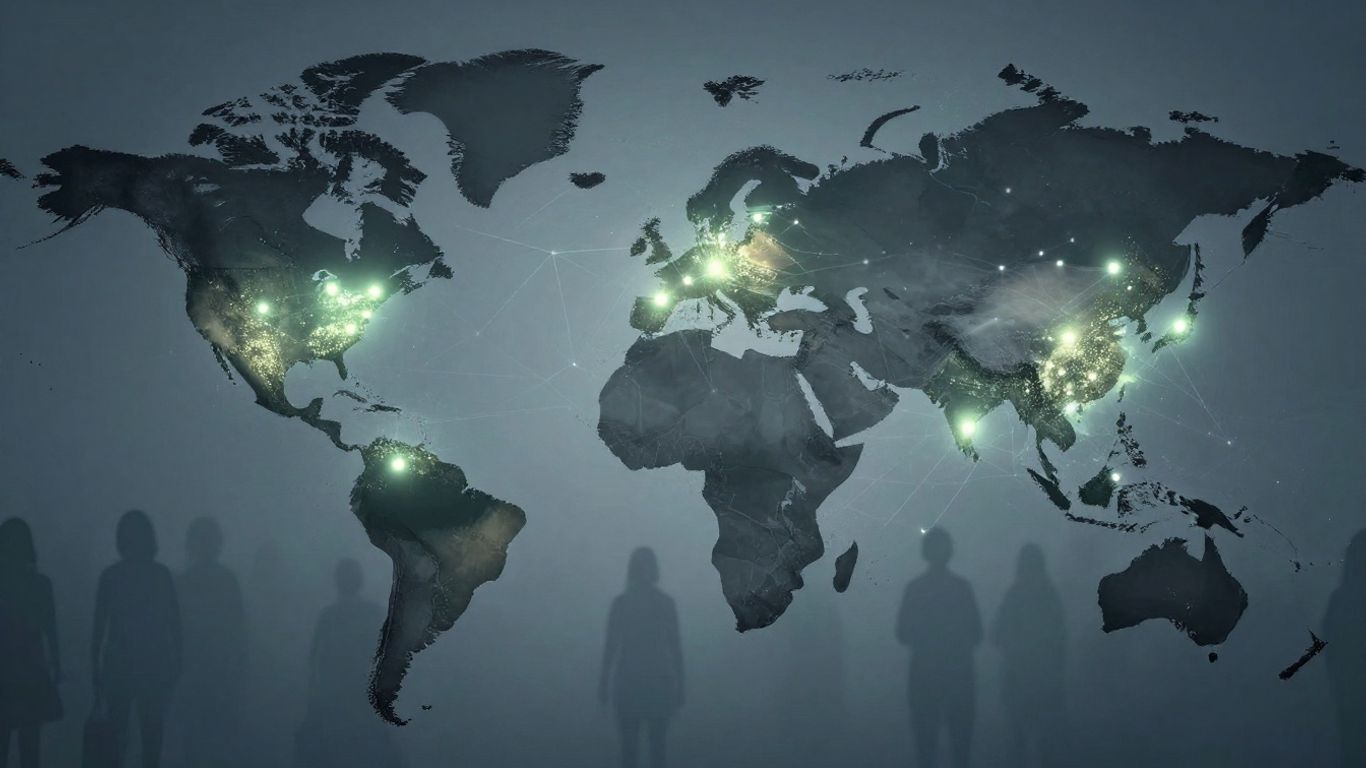
When someone goes missing, every second you waste can mean the difference between a quick reunion or a painful wait for answers. Technology isn’t just a buzzword here—it’s changing everything about how we search for and find missing people. Americans have watched as new tracking devices, apps, and even smart AI tools make the impossible a little less hopeless. Below is a look at how tech is shaking things up, the problems that still exist, and what it all means for families, police, and everyday folks worried about loved ones.
Role of GPS and Digital Tracking
GPS trackers are the biggest breakthrough in rescuing missing persons that we’ve seen in decades. Whether it’s small wristbands for children, tags on backpacks, or even keychains for seniors, these devices deliver real-time location via satellite—even places your phone can’t reach. This isn’t sci-fi; it’s now. Let’s break down how they help:
- Real-time tracking shows exactly where the person is, not just a last known location.
- Geofencing: Set a safe zone, and get alerted the moment someone crosses the line.
- SOS buttons offer a direct lifeline when a person feels threatened or trapped.
- Many gadgets even work without cell service, switching to satellite or Wi-Fi networks instead.
Here’s a comparison of tracking methods:
| Method | Pros | Cons |
|---|---|---|
| GPS Tracking | Real-time, accurate | Needs battery, initial setup required |
| Foot Searches | No tech needed | Slow, limited by terrain/weather |
| Public Alerts | Broad awareness | Depends on public attention/action |
| Drones | Fast search over wide area | May not locate hidden or indoor targets |
As advanced as these GPS tools are, even the best can’t do much if people don’t actually use them for their loved ones. In the United States, nearly 600,000 people are reported missing yearly, and new technology is pushing searchers to find them faster than before. Recent developments in AI are helping as well, letting police and families predict next moves based on the person’s behavior or past issues (advanced technologies).
Shortcomings of Traditional Methods
Traditional search methods, the kind that rely on posters, TV ads, or waiting for someone to spot a missing face, simply don’t cut it against the sheer number of cases we see every year. There’s too much ground to cover, and human memory is unreliable—neighbors forget, kids look different day to day, and attention fades fast. Key limits:
- Searches by foot or helicopter take too long, especially in rough areas
- Tracking scent with dogs is affected by weather or too many smells
- Public alerts only work if people are actively watching, and even then, they get lost in the shuffle
Families don’t sleep at night when someone disappears, and the old methods just leave them hanging, hoping luck will be on their side.
Potential Policy Reforms
Getting the most out of technology doesn’t just mean having cool gadgets. Policy changes are needed—especially so states and local agencies can actually use and share these modern tools. Here’s what would help:
- Make GPS trackers standard for at-risk folks: seniors with memory problems, kids in split families, or those with disabilities
- Streamline agencies and create a single nationwide database so anyone can report and track cases
- Protect personal data rights but balance them with the need to act fast in emergencies
- Support rewards for inventions that speed up the discovery of missing persons
There’s also a need to weed out older, failing approaches and push law enforcement to work with families from the start, using the latest tracking whenever possible.
Technology isn’t perfect, but it’s way better than hoping for the best. When it comes to missing people, every second counts, and the right solutions can bring real hope back to those who need it most.
The Role of Population in Comparing Countries With the Most Missing Persons
When we look at the numbers of missing persons, it’s easy to get a skewed picture if we don’t consider the size of the country. A place with a huge population, like the United States, is naturally going to have more total missing people than a tiny nation. It’s just math. The US, being the third most populous country, often tops the charts in raw numbers. For instance, in 2021, over half a million people were reported missing there. That sounds like a lot, and it is, but it’s also partly because the US has systems in place that encourage reporting and law enforcement that actually follows up.
Missing Rates Per Capita
To get a fairer comparison, experts often look at the rate of missing persons per 100,000 people. This helps level the playing field. It tells us not just how many people are missing, but how common the problem is relative to the population size. It’s a more honest way to see which countries are truly struggling with disappearances.
- United States: High total numbers, but a lower rate per capita compared to some others.
- India: Another populous nation with a significant number of disappearances, both in total and per capita.
- United Kingdom: Around 180,000 missing each year, with most being children found quickly.
Limitations in Cross-Country Comparison
Even with per capita rates, comparing countries is tough. Definitions of ‘missing’ vary wildly. Some countries might count a runaway teen the same as someone taken by a cartel. Plus, not all governments are honest. Some might deliberately underreport to look good, or their systems are just too broken to track anything properly. It’s a mess.
The global picture of missing persons is clouded by inconsistent data collection and varying definitions. What one nation classifies as a missing person might be handled differently elsewhere, making direct comparisons unreliable without significant adjustments.
Dangers of Misleading Narratives
Because of these data issues, it’s easy to create misleading stories. You might see a headline saying Country X has the ‘most’ missing people, when really, it just has a high rate due to a specific crisis, or its reporting is just better than a country where disappearances go unnoticed. We need to be smart about how we interpret these figures. For example, while the UK reports a large number of missing persons annually, a significant portion are children who are found within 24 hours. This contrasts with situations in countries like Syria, where conflict leads to a higher proportion of long-term disappearances and forced abductions, a stark reality that population size alone doesn’t explain. The sheer scale of forced displacement globally, with over 123 million individuals affected by the end of 2024, also complicates simple comparisons [f8c5].
It’s not just about the total count; it’s about the context. A country like Mexico, for instance, struggles with tens of thousands missing, largely due to organized crime, a situation far different from a developed nation with robust reporting systems. Understanding these nuances is key to grasping the true scope of the problem.
So, What’s the Takeaway?
Looking at all these numbers, it’s clear that people going missing is a big problem, not just in one place but all over the world. We’ve seen how countries like the United States and India have huge numbers, partly because they have so many people and their systems are set up to track these cases. Then you have places like Syria or Colombia, where conflict and crime make disappearances a constant worry. It’s tough to get a perfect picture because every country counts things differently, and some places just don’t have the resources to track everyone. But one thing is for sure: every single missing person represents a family in pain, and that’s something we can’t ignore. It really makes you think about how important it is for countries to work together and for us all to pay attention to what’s happening right here at home and abroad.
Frequently Asked Questions
Which countries have the most people reported missing?
Some countries, like the United States and India, report a very high number of missing persons. This is often because they have large populations and good systems for reporting people missing. Other countries, like Syria, have high numbers due to war and conflict.
Why are there so many missing children?
Many children go missing because of family issues, like one parent taking them without permission. Sometimes, children run away from home. While it sounds scary, most of these children are found safe and return home.
Is it easy to compare missing persons numbers between countries?
No, it’s actually quite hard. Different countries might count missing people differently, and some countries don’t collect this information very well. Also, some governments might not report accurate numbers.
What’s the difference between someone running away and someone being taken?
When someone runs away, they choose to leave. When someone is taken, like in a kidnapping, they don’t have a choice. People can also go missing by accident, like older adults who get lost, or due to mental health issues.
How does population affect missing persons numbers?
Countries with more people naturally tend to have more people reported missing. That’s why sometimes experts look at the ‘rate’ of missing persons per 100,000 people to get a better idea of how common it is in different places.
What role does technology play in finding missing people?
New technology, like GPS trackers, is a big help. These devices can show where someone is in real-time, making it easier and faster for rescuers to find them. This is much better than older search methods.
What are ‘forced disappearances’?
This is when government officials or groups working with the government take someone away and then refuse to say where they are or what happened to them. It’s often used to scare people or punish those who disagree with the government, and it’s against international law.
What happens to the families of missing people?
Families of missing persons go through a lot of pain and worry because they don’t know if their loved one is alive or where they are. Searching for answers can sometimes even put the families in danger.