

Top Importers and Exporters: The Countries That Control Global Trade
Key Takeaways
Global trade remains the engine of economic growth, with a small group of nations consistently dominating the movement of goods and services. Understanding these dynamics reveals the strategic priorities of both established powers and emerging economies.
- The United States leads the list of global importers, fueling massive domestic consumption.
- China continues to exert influence as the world’s premier manufacturing hub through directed state policies.
- Export-oriented economies like Germany and South Korea rely heavily on high-value industrial production.
- Trade balances fluctuate based on resource wealth, technological capacity, and national industrial strategy.
- Strategic logistics hubs often punch above their weight, providing critical gateways for international commerce.
1. The United States: Balancing the trade deficit while protecting sovereignty
The United States stands as the world’s largest consumer market, a position that defines its role among the top importers and exporters. By maintaining an open environment for foreign goods, the nation sustains high levels of domestic consumption while projecting its influence across multiple continents. This status is not without its costs, as long-term trade deficits naturally occur when a currency serves as the primary global reserve asset.
Protecting economic independence requires a careful calibration of trade policy to ensure essential industries remain viable at home. Policymakers must weigh the immediate benefits of cheaper imports against the risks of hollowing out domestic manufacturing capacity. For a nation focused on long-term prosperity, maintaining a thriving domestic industrial base is not just an economic priority but a fundamental aspect of maintaining autonomy.
Effective security in modern trade relies on deep integration with reliable partners. By fostering relationships with neighbors and allies, the country secures a stable flow of finished goods and raw materials. This strategic positioning ensures that the American market remains a central pillar of global commerce, demonstrating how leading nations in international trade balance consumption with national preservation.
2. China: The challenge of state-subsidized manufacturing supremacy
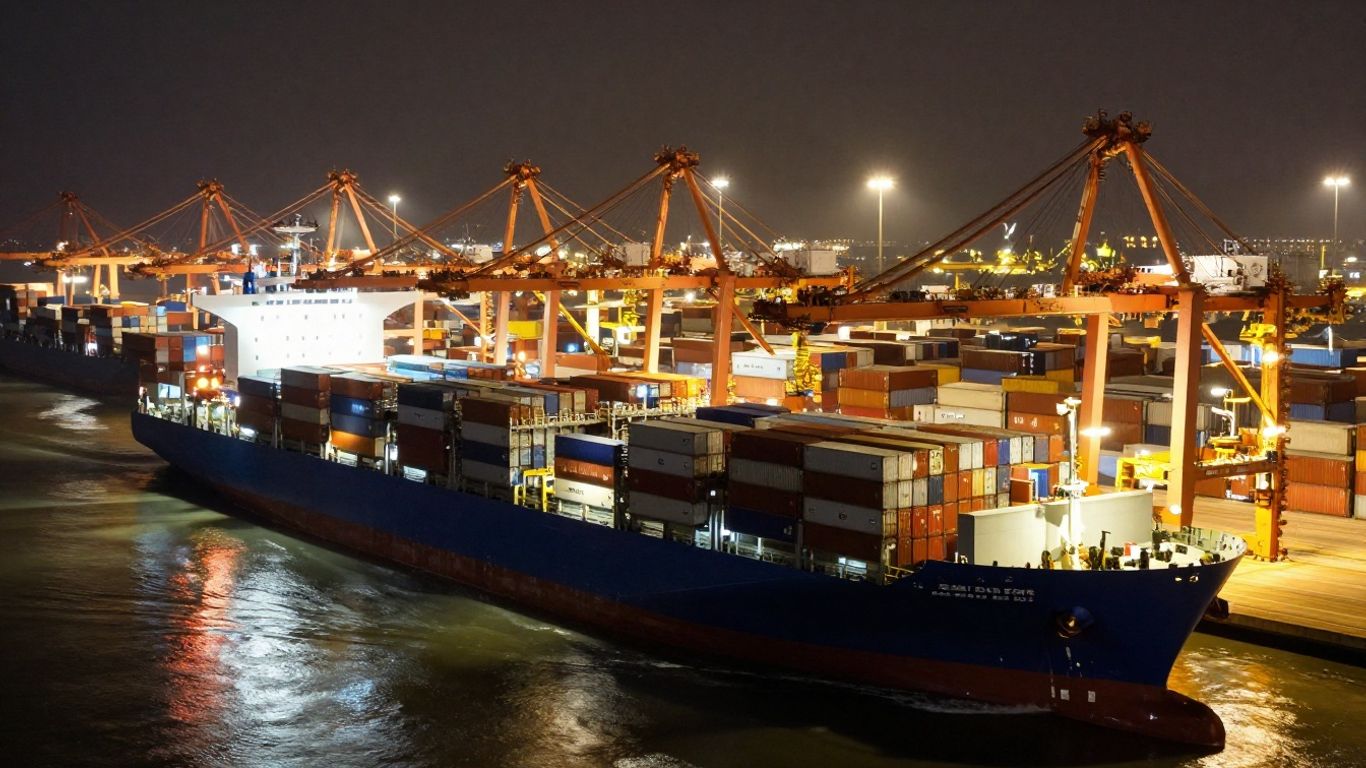
China has engineered an economic transformation by positioning itself as the indispensable factory to the world. Through aggressive investment and state-directed support, the nation has captured significant market share in everything from basic components to advanced electronics. This approach has pushed the boundaries of trade, creating a landscape where state policy dictates the trajectory of industrial output.
This model presents a significant challenge to global competitors who operate under different rules of engagement. By prioritizing volume and scale, the country has become deeply embedded in the supply chains of nearly every continent. Maintaining this supremacy requires constant domestic coordination to manage the inherent tensions of such a massive, state-influenced industrial apparatus.
Over the last few decades, this strategy has led to shifts in how other nations view their own industrial security. While many countries benefit from the affordability of Chinese production, they are increasingly aware of the dangers of over-reliance on a single source of supply. Navigating the youngest sovereign state in Africa and other emerging markets highlights how complex geopolitical influence has become through commercial ties.
3. Germany: Industrial strength as the backbone of European prosperity
Germany occupies a unique position in the global market, relying on high-end engineering to maintain its economic health. The country focuses on precision machinery, specialized vehicles, and advanced chemical products, which are high-value exports that demand premium prices. This industrial foundation serves as the anchor for stable growth within the broader regional economic framework.
| Industry Sector | Primary Focus | Economic Contribution |
|---|---|---|
| Automotive | Premium Vehicles | High |
| Machinery | Capital Equipment | Very High |
| Chemicals | Specialized Compounds | High |
By focusing on these sectors, the nation remains insulated from the lower-margin competition that dominates other regions. The consistent demand for German reliability ensures that trade remains a productive endeavor rather than just a volume exercise. This strength is crucial for sustaining the standard of living that defines the continent’s major economic successes.
Policy planners recognize that their prosperity is tied directly to the health of global trade routes. As such, they often push for broader market access and standardized regulatory environments to protect their competitive edge. It is a calculated strategy that emphasizes the importance of technical sovereignty in a world where intellectual property is the most valuable currency.
4. Japan: Preserving technological independence in a globalized market
Japan has long navigated the delicate balance between participation in global trade and the protection of its core intellectual property. By focusing on critical components and advanced robotics, the nation creates systems that others cannot easily replicate. This commitment to domestic innovation ensures that the country maintains a seat at the table in high-value sectors, regardless of broader market trends.
Success in this arena requires significant investment in workforce training and research initiatives. The national goal is clearly centered on maintaining indigenous capabilities that can weather external economic storms. While many other economies have pivoted toward cheaper service sectors, the strategic emphasis remains on tangible, high-tech assets that drive persistent demand.
Trade is fundamentally about partnerships that align with these technological goals. Japan typically engages with markets that respect their patent standards and contribute to a reciprocal flow of technology. This disciplined approach serves as a model for smaller nations looking to protect their industrial identity while continuing to influence the international flow of goods and services.
5. The Netherlands: Strategic logistics as a platform for national influence
Small in geographic size, the Netherlands exerts influence far beyond its borders by dominating key distribution points. By acting as the primary gateway to Europe, the nation leverages its port facilities and transport infrastructure to facilitate trade for its neighbors. Logistics, for the Dutch, is a highly coordinated national endeavor that turns geography into a powerful economic multiplier.
This role as a transit hub requires constant modernization and investment in digital oversight. Efficiency is the primary value proposition, ensuring that goods moving from overseas markets reach their destination with minimal friction. In doing so, the nation captures value at every stage of the transit process, solidifying its importance within the global supply map.
Integrated service sectors help maintain this competitive advantage, providing the financial and insurance support that global traders need to operate effectively. It is a sophisticated, service-oriented model that relies on stability and predictable regulatory frameworks. As a result, the country remains an essential partner for larger economies that rely on these efficient logistics pathways.
6. South Korea: Building an export-led economy through national discipline
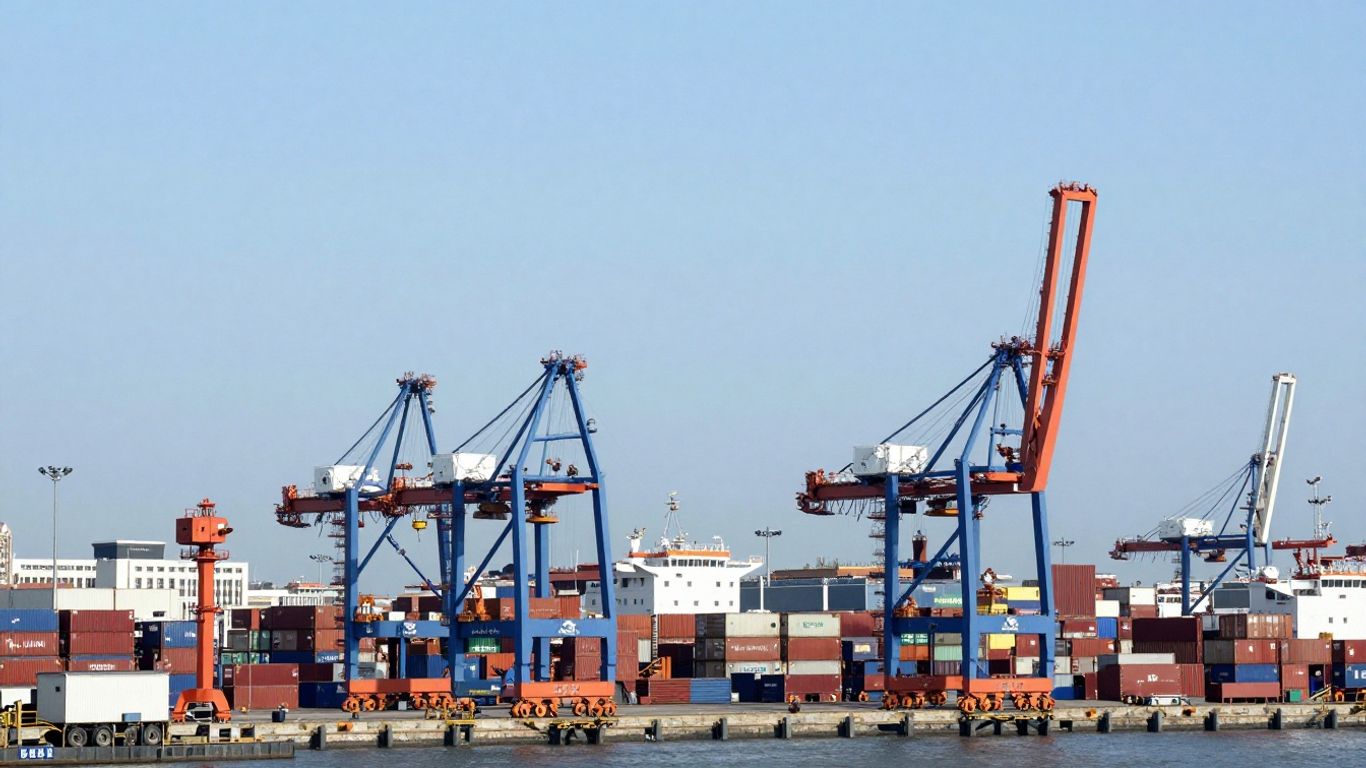
South Korea serves as a clear example of how national discipline can turn a resource-poor nation into a global powerhouse. By concentrating its efforts on specific high-growth sectors, the country has ascended to the top of the international export rankings. This achievement is characterized by several key traits:
- Unwavering focus on research and internal development.
- Strategic alignment between corporate giants and national objectives.
- Rapid adoption of new manufacturing technologies.
- Intense dedication to workforce education.
These factors combine to foster a resilient economy capable of producing world-class semiconductors and electronics. The government’s active role in guiding industrial growth provides a framework that prioritizes long-term objectives over short-term consumption. This unity of purpose is what allows the nation to compete effectively despite intense pressure from larger neighbors.
Maintaining this momentum requires constant adaptation to shifting global preferences. The export-led model has proven successful, but the challenge lies in sustaining innovation amidst fierce competition. By consistently upgrading internal capabilities, the nation stays positioned to profit from every new wave of technology, securing its future as a vital player in global commerce.
7. France: Prioritizing local industry against the pressures of international trade
France maintains a protective stance toward its home industries, often seeking to balance liberalization with national pride. Luxury goods, aerospace, and agricultural products form the core of its export agenda, reflecting a deep appreciation for heritage and quality. This distinct emphasis allows the nation to command premium prices that are less sensitive to the upsides or downsides of generic cycles.
Defending these domestic interests often involves a complicated relationship with international frameworks. The focus is on ensuring that local craft and institutional expertise are not diluted by global standardization. This protectionist streak is not about rejecting trade, but about curating the terms of engagement so that the nation’s cultural and economic legacy remains intact.
Success in this strategic approach is seen in the resilience of traditional sectors. When other countries suffer from the commoditization of their industries, French companies often continue to thrive on the value of their brand assets. It is a reminder that in the complex world of trade, maintaining a unique identity is as important as achieving high volume.
8. The United Kingdom: Reclaiming trade policy for national economic interest
Following its shift in external policy, the United Kingdom is currently focused on redefining its terms for international movement of goods. By reclaiming the ability to set its own standards and partnerships, the nation aims to pivot toward high-growth markets and service-oriented sectors. This transition is not instantaneous, but it represents a structural change in how the country views its global role.
Services remain the strongest pillar of the British trade landscape, particularly in finance and digital domains. The goal is to leverage existing institutional strengths to attract global capital and facilitate complex financial transactions. By modernizing its approach to trade, the nation seeks to maintain its status as a critical node in the global economy, regardless of regional political shifts.
Future prosperity will depend on the effectiveness of these new arrangements. As the country navigates the realities of autonomy, the emphasis remains on securing high-value partnerships that mirror its modern domestic strengths. The ongoing evolution of this strategy illustrates the difficulty and promise of re-establishing a sovereign, independent trade policy.
9. India: Advancing toward self-reliance in a competitive global market
India is rapidly modernizing its infrastructure to support a growing internal demand and an emerging export sector. The national strategy revolves around fostering domestic capabilities in manufacturing to reduce import dependence. This movement toward self-reliance is intended to transform the domestic economy while building a stronger presence in electronics and heavy industry.
Investment in education and the integration of new technologies are central to these goals. By scaling its production capacity, the country aims to provide cost-effective solutions for a global audience. The scale of the internal market serves as a perfect testing ground for these initiatives, providing the volume needed to make domestic production viable for the export market.
Challenges remain, particularly concerning logistics and the easing of bureaucratic obstacles. However, the direction is clear: the focus is on scaling up production efficiency to capture a larger share of global value. This shift is turning India into a critical participant in world trade, moving beyond its traditional strengths toward a more diversified industrial portfolio.
10. Canada: Leveraging domestic natural resources for economic stability
Canada maintains a strong position in the global trade cycle by acting as a reliable supplier of essential natural resources. Energy, metals, and agricultural products are exported at scale, providing the nation with a steady source of revenue that stabilizes the economy. This resource-based model is anchored by stable political institutions and close, long-standing commercial ties with its largest neighbor.
This dependence on and leverage of the land requires careful environmental and economic stewardship. The goal is to maximize the value extracted from these resources while ensuring long-term sustainability. By focusing on innovation in extraction and processing, the nation continues to improve the efficiency and quality of its exported raw materials.
Looking ahead, the strategy is shifting to include more value-added production at home. This shift aims to reduce the reliance on simple commodity exports and push toward finished goods manufacturing. As Canada navigates this path, it remains an essential piece of the world’s supply infrastructure, demonstrating the importance of resource endowment in global economic stability.
Conclusion
The landscape of global trade is far from static, driven by the varying strategies of nations aiming to secure their future in an ever-connected world. While some prioritize massive scale and manufacturing dominance, others focus on high-value innovation, logistics, or the extraction of natural wealth. Ultimately, the ability of any nation to thrive in this environment depends on how well it balances its own sovereign interests with the realities of an integrated, competitive international market.
Frequently Asked Questions
Which countries are currently considered the most powerful in global trade?
The most powerful nations in global trade are those with massive domestic markets and widespread production networks, such as the United States, China, and Germany, as they drive the bulk of global import and export activity.
Why do some countries maintain trade deficits while others have surpluses?
Trade deficits often reflect high levels of domestic consumption and the strength of a national currency, whereas surpluses are typically achieved by export-driven economies that emphasize manufacturing and industrial production.
Does participating in global trade always improve a country’s standard of living?
While global trade generally increases access to goods and drives economic growth, the impact on individual living standards depends on whether a nation can protect its high-value employment sectors during the transition.
What role do commodities play in the trade balance for resource-rich countries?
Commodities are essential for resource-rich countries as they provide a foundational revenue stream that improves economic stability and allows nations to fund further development and modernization efforts.
How does logistical infrastructure affect a country’s importance in trade?
Countries with advanced logistical infrastructure act as critical gateways, capturing value and exerting economic influence by facilitating the efficient transit of goods between larger, distant markets.
Can a country successfully become self-reliant in a highly globalized market?
Self-reliance is a common strategic goal that involves prioritizing domestic manufacturing and reducing import dependence, though it requires a careful balance to remain competitive within the wider global framework.
What is the primary indicator of a country’s performance in international trade?
Performance is usually measured by the total volume of goods and services produced for export and the capacity to attract imported goods efficiently, as well as the overall balance of these flows.
3 Comments