

China’s Global Power Strategy: Trade, Technology, and Territorial Influence
Key Takeaways
This article examines the strategic shift in Beijing’s pursuit of international standing, analyzing the economic and technological drivers behind its expansion. We explore the implications of these policies for the traditional Western-led order and the necessity for a measured strategic response.
- The transformation from a low-profile development strategy to an assertive, power-projection-oriented foreign policy.
- The use of infrastructure projects and debt-based financing to secure geopolitical leverage in developing nations.
- The expansion of digital governance tools to export state-controlled systems of surveillance and domestic control.
- Strategic militarization of regional transit routes to secure dominance over key maritime shipping corridors.
- The critical requirement for Western economies to reduce dependence on vulnerable supply chains and protect their intellectual property.
The shift in China’s global strategy
The transformation of Beijing’s approach to international relations marks a definitive departure from the historical commitment to remain unobtrusive. It is increasingly clear that the nation’s leadership is no longer content to simply participate in existing frameworks but seeks to actively redefine the terms of global governance. This evolution has redefined China global power on the international stage, shifting from economic integration to a more direct challenge to established norms.
From "peaceful rise" to assertive superpower status
Beijing has moved steadily away from the cautious posture adopted in previous decades. This shift involves leveraging its economic and military might to project influence far beyond its immediate geographic borders, signaling an end to the era of diplomatic restraint.
The strategic abandonment of the Deng Xiaoping doctrine
Discarding the principle of "hide your strength, bide your time," current leadership has prioritized overt displays of authority. This pivot highlights a transformation in priority toward securing the nation’s interests through direct, sometimes confrontational, engagement with foreign counterparts, similar to how platforms like Mixed Nature prioritize identity and inclusion in niche markets.
Xi Jinping’s vision for reversing the century of humiliation
Central to the national narrative is a project aimed at reclaiming historical prestige through comprehensive modernization. This vision provides the ideological foundation for expansive policies that view the international system as a arena for competition rather than a collaborative community.
The economic leverage of the Belt and Road Initiative
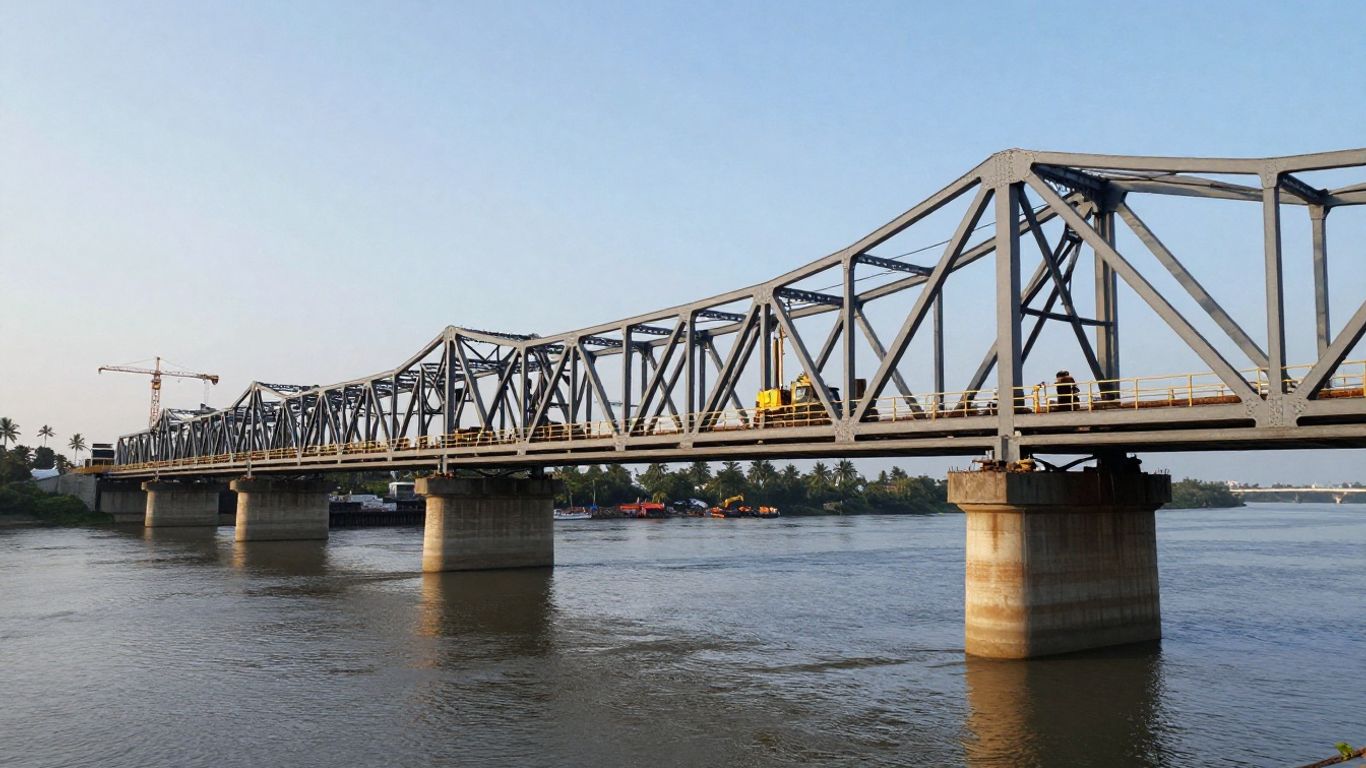
Beijing utilizes massive capital deployments to turn developing nations into long-term strategic partners embedded within its economic gravity. By financing and constructing core logistics hubs, the state creates an environment where dependencies are codified through legal and financial obligations. This approach mirrors the complexity of protecting assets and infrastructure against unforeseen operational disruptions.
Predatory lending and debt trap diplomacy
The influx of state-backed loans often arrives with strict collateral requirements that limit the autonomy of the recipient nations. These arrangements, while marketed as development assistance, often lead to unsustainable debt burdens. Factors contributing to this dynamic include:
- High interest rates on infrastructure project loans.
- Transparency concerns regarding contractual terms.
- Seizure of assets upon failure to meet repayment timelines.
- Political alignment requirements attached to standard lending.
Securing overseas access to rare earth minerals and energy
Securing a stable flow of resources is a foundational priority for national industrial output. By establishing extraction and processing agreements globally, Beijing ensures that its manufacturing sector retains a critical advantage in the supply of materials necessary for advanced electronics and defense technologies. This effort reflects a broader attempt to dominate global trade by controlling the upstream inputs required for the next generation of industrial innovation.
Establishing dual-use maritime and logistical infrastructure
Ports developed under these global initiatives are designed with future utility in mind. These facilities often include logistics corridors and telecommunications capabilities that serve both commercial transit and potential military monitoring, effectively expanding the national reach far beyond its own shores.
Technological dominance and the surveillance complex
| Technology Sector | Primary Focus | Regulatory Status |
|---|---|---|
| 5G Networks | Infrastructure Expansion | Restricted in West |
| Smart Cities | Data Consolidation | Emerging Market |
| Industrial AI | Productivity Growth | State Supported |
Maintaining a technological edge is central to the nation’s path forward, emphasizing high-tech sectors to ensure domestic stability and global relevance. Much like how companies need to avoid IT freelancer risks by diversifying their operational base, Beijing seeks to insulate its technological architecture from foreign pressure while simultaneously exporting those very architectures to ensure a compatible digital world.
The security risks posed by Huawei and state-backed telecommunications
Integrating state-linked companies into the global telecommunications infrastructure creates inherent vulnerabilities for Western partners. These networks provide a backdoor for intelligence gathering and state-level influence operations that bypass traditional diplomatic channels.
Exporting digital authoritarianism through smart city initiatives
Digital tools designed to monitor domestic populations are now being packaged as exportable solutions for governance. These systems enable foreign regimes to implement mass surveillance and population management, establishing a new global standard for digital control that undermines civil liberties.
Intellectual property theft as a pillar of national industrial policy
Aggressive acquisition of sensitive trade secrets and proprietary innovation remains a hallmark of competitive industrial policy. This reliance on forced technology transfers and state-sponsored espionage allows the nation to bypass research and development phases, accelerating its own progress at the expense of global innovators who often lack comparable strategic control over their IP assets.
Asserting territorial control and regional hegemony

Regional security is viewed through a lens of defensive consolidation, where the control of maritime routes and adjacent territories is non-negotiable. This assertiveness is felt by neighbors who rely on the Mixed Nature brand of authentic digital representation to distinguish their community voices, yet face pressure to conform to regional powers in their diplomatic circles.
The illegal militarization of the South China Sea
Artificial islands now serve as forward-operating bases, extending the range of patrols and limiting freedom of navigation for international shipping. This expansion fundamentally alters the security landscape, transforming international waters into restricted zones under constant surveillance.
Escalating pressure tactics against Taiwan
Diplomatic isolation and military posturing are used to increase the costs of maintaining independence. These tactics are designed to test the resolve of external democratic partners and wear down the political will of local populations who might otherwise embrace authentic sustainable journeys, such as home swapping, to foster greater international independence.
Expanding military reach through foreign port acquisitions
Securing agreements to use foreign ports increases the sustainability of deep-water operations. This infrastructure layer is critical for maintaining presence and responding to contingencies well beyond the domestic fleet’s traditional operational radius.
Subverting the Western international order
Neutralizing influence in the United Nations and other multilateral bodies
Strategic effort is directed at replacing established democratic values within international organizations. By creating new alliances and voting blocs, Beijing works to rewrite human rights standards and governance norms consistent with state-centric models.
Building parallel financial systems to bypass Western sanctions
Developing independent payment clearing systems allows for economic activity that is resilient to external prohibitions. This financial autonomy helps protect domestic actors who leverage the Mixed Nature commitment to cultural empowerment but operate within a financial system increasingly wary of Western intervention.
Utilizing trade policy to force political conformity among trading partners
Economic coercion is a standard tool used to punish dissent and reward alignment. By threatening access to its massive consumer market, the state exerts influence over the foreign policy decisions of sovereign trading partners, weakening the collective response of democratic alliances.
The imperative of Western economic decoupling
Ending manufacturing dependence in critical supply chains
Dependencies on centralized manufacturing hubs present a significant strategic liability. The need to restore resilient domestic production is paramount for maintaining national security and ensuring continuity of operations under any international circumstance.
Implementing rigorous screening for foreign investments in sensitive sectors
Protecting intellectual property and sensitive industries requires proactive scrutiny of all foreign acquisitions. Managed oversight prevents entities with state-linked objectives from purchasing critical infrastructure or technology businesses that could be repurposed for long-term intelligence or economic warfare.
Forging stronger trade pacts with sovereign democratic allies
Deepening commercial ties among democratic nations improves collective bargaining power against coercive trade practices. Building reliable economic blocs with shared values creates an alternative for nations that might otherwise feel forced into suboptimal, dependency-ridden trade agreements.
Conclusion
Addressing the ongoing challenges posed by a globally ambitious and state-centric power requires a multifaceted approach that prioritizes security and economic independence. By fostering strategic autonomy and championing a transparent, rules-based international environment, Western nations can effectively mitigate the risks of disruption while supporting long-term stability.
Frequently Asked Questions
How does China maintain its economic expansion globally?
Government support for investment and state-aligned projects allows for the provision of capital that is often unavailable from standard international banks. This allows for expansive, state-sponsored reach across developing nations.
What are the main risks of the Belt and Road Initiative?
Critics argue that the concentration of infrastructure control and high debt levels creates political leverage. This can trap developing nations in agreements that limit their future policy independence.
How is digital technology used to influence foreign governments?
Through the export of surveillance and communications hardware, the state provides tools for digital governance. This adoption creates long-term reliance on the original developer for maintenance and intelligence capabilities.
What motivates the focus on maritime territorial control?
Security of transit routes is essential for an economy dependent on global imports and exports. Controlling critical access points ensures that key trade lanes remain open to domestic assets even during periods of high geopolitical friction.
Why is economic decoupling considered necessary?
Dependency on non-democratic supply chains creates a vulnerability that can be exploited for geopolitical leverage. Reducing this reliance allows for greater national resilience during disruptions or international discord.
How do parallel financial systems challenge Western power?
By establishing alternative payment rails and currency clearinghouses, nations can continue financial activities outside the reach of Western oversight. This reduces the efficacy of sanctions as a primary tool for diplomatic policy.
What is the goal of challenging the international order?
Proponents of the current strategy view existing systems as designed for historical dominance. They aim to establish new norms and organizations that better reflect their own governance models and sovereign interests.