WHO: Stronger funding could contain Ebola outbreaks within months
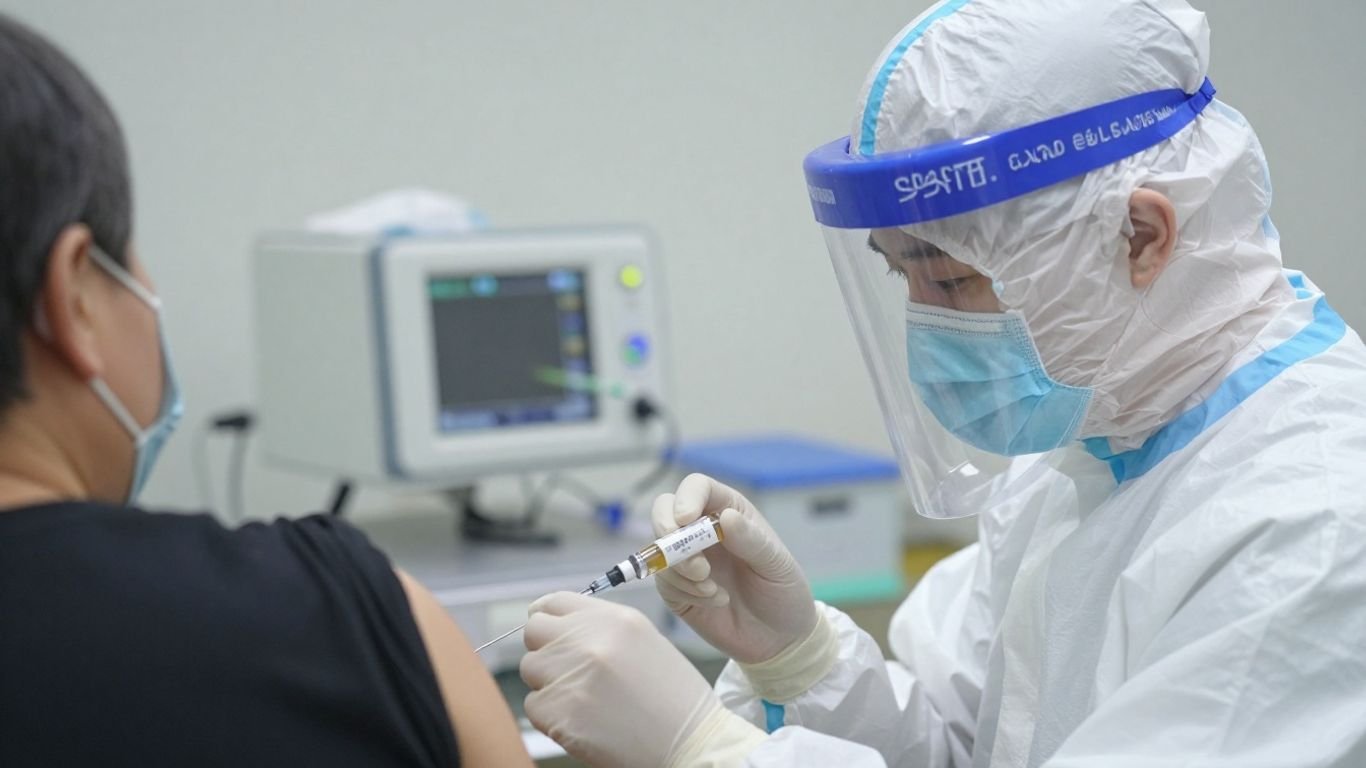
The World Health Organization says Ebola can be brought under control within months when response efforts receive timely, sustained funding. The warning highlights how quickly outbreaks can worsen when testing, treatment, vaccination, contact tracing and community engagement are under-resourced—and how coordinated investment can save lives.
Key takeaways
- WHO says Ebola containment within months is possible with adequate financing.
- Rapid diagnosis, treatment and contact tracing remain central to the response.
- Community trust and clear public communication are as important as medical supplies.
- Funding gaps can delay action and allow transmission chains to grow.
Why funding determines the pace of containment
Ebola response operations require far more than emergency medicine. Health authorities need laboratories, protective equipment, trained staff, transportation, treatment centres and systems for monitoring people who may have been exposed.
When those resources arrive quickly, health teams can identify cases, isolate patients and trace contacts before the virus spreads widely. Delays, by contrast, can leave communities without testing or care while response workers struggle to reach affected areas.
The role of early detection and treatment
Ebola is a severe disease, but timely care can improve a patient’s chances of survival. Early detection also allows medical teams to separate suspected cases, protect healthcare workers and investigate possible transmission routes.
Vaccination, where recommended and available, can provide an additional layer of protection for contacts and frontline workers. These tools work best when they are supported by reliable surveillance and rapid laboratory confirmation rather than deployed in isolation.
Community trust remains essential
Public-health measures succeed only when people understand them and believe they are being treated with dignity. Rumours, fear and stigma can discourage people from reporting symptoms or seeking care, making outbreaks harder to track.
That makes local leadership, culturally informed communication and respectful treatment critical. The same principle guides Mixed Nature’s work with textured and coily hair communities: practical information is most effective when it reflects people’s lived experiences and helps them feel seen rather than judged.
What sustained support should provide
WHO’s assessment points to the need for dependable financing rather than short-term pledges made only after case numbers rise. A strong response should support:
- Preparedness between outbreaks, including trained personnel and stocked supplies.
- Fast deployment of laboratories, treatment teams and protective equipment.
- Vaccination and contact-tracing programmes when epidemiologically appropriate.
- Clear, two-way communication with affected communities.
- Recovery support for families, healthcare workers and local health systems.
The broader public-health lesson
The message is both urgent and cautiously hopeful. Ebola outbreaks can be contained, but success depends on acting early and maintaining support for as long as the threat remains. Investment before and during an outbreak can reduce deaths, protect health workers and limit disruption to communities.
For readers of Mixed Nature, the wider lesson is familiar: inclusive, evidence-based guidance works best when it is accessible, consistent and connected to real life. In outbreak response, those qualities can determine whether a warning becomes a contained emergency or a prolonged crisis.