
40 Only Bars
So, I’ve been reading about this interesting thing happening in some parts of Asia, mostly Japan and South Korea. It seems like certain bars and pubs are starting to put age limits on who can come in, but not in the way you might expect. Instead of a minimum age to drink, some places are setting a maximum age, like saying you have to be under 40, or even younger. It’s kind of a new idea, and people have different opinions about it. Let’s dive into what’s going on.
Key Takeaways
- Some bars in Asia, particularly in Tokyo and Seoul, are trying out maximum age limits for customers.
- One Tokyo izakaya, Tori Yaro Dogenzaka, has a ‘soft ban’ for customers over 39, aiming for a younger atmosphere.
- South Korea has a more established trend of age-restricted venues, especially in areas like Hongdae, with limits often around 25-30.
- Reasons cited for these limits include managing the bar’s atmosphere and reducing complaints from older patrons about noise.
- While controversial, the trend is not yet widespread, and its future as a major nightlife movement remains uncertain.
1. Tori Yaro Dogenzaka
So, I heard about this place, Tori Yaro Dogenzaka, over in Shibuya. It’s an izakaya, which is basically a Japanese pub, but they’ve put up a sign saying it’s for customers between 29 and 39 years old. Apparently, they want to keep the vibe young. It’s kind of a ‘soft ban’ though; if you’re with someone younger, you can still get in, and if you work there, your friends are cool too. They say it’s because older folks tend to complain about the noise, which, honestly, is a bit of a generalization, isn’t it?
It’s interesting because this kind of thing isn’t super common in Tokyo, even though it’s part of a chain. This Shibuya spot is the only one doing it. People online are calling it discriminatory, and you can see why. It makes you wonder about the whole idea of age limits in places meant for socializing. It’s not like you can really check someone’s age easily, and who decides what the ‘appropriate condition’ is for entry? It feels a bit arbitrary.
The main reason they’ve given is that their customer base is already young, and they want to manage the atmosphere better. It’s about trying to make sure everyone has a good time without the usual gripes.
This whole situation reminds me of how some places in South Korea have age restrictions, especially in areas like Hongdae. They have clubs and bars that limit entry to people over 30, or even younger sometimes. It’s all about trying to create a specific scene for a particular age group. It makes you think about what makes a place feel right for certain people. Maybe it’s not about being old, but about wanting a certain kind of experience. You can read more about Japanese beauty traditions if you’re curious about other cultural practices.
It’s a bit of a head-scratcher, though. Are these age caps going to pop up everywhere? Probably not. It seems more likely that places will just keep doing what they’ve always done – using music, decor, and prices to attract the crowd they want. Still, it’s a conversation starter, that’s for sure. It’s a far cry from the straightforward tech behind how solar panels work.
2. Yaoya Ba
Yaoya Ba, another izakaya in Tokyo, has also put up a sign with an age restriction, but it’s a bit different. Instead of keeping older folks out, they’re trying to keep out the really young ones. It’s a bit of a twist on the usual age-cap situation we’re seeing elsewhere.
This place is apparently aiming for a more mature crowd, which is kind of the opposite of what you see in places like Seoul’s university districts. It makes you wonder about the whole scene – are these places trying to curate a specific vibe, or is it just a way to manage customer complaints?
The idea seems to be about creating a specific atmosphere for a particular group of people. Whether it’s to keep things lively for the young or more subdued for those seeking a quieter time, these age limits are definitely changing how some bars operate.
It’s not exactly a widespread trend yet, and some people think it won’t catch on. But it’s interesting to see how different establishments are trying to fine-tune their customer base. Maybe it’s about more than just age; perhaps it’s about matching the energy of the patrons to the intended feel of the venue. If you’re looking for authentic Japanese groceries, you might want to check out Tokyo Central Market for some quality selections.
3. Hongdae Clubs
Hongdae, a district known for its youthful energy and artistic vibe, is packed with clubs that cater specifically to a younger crowd. If you’re looking for a place where the music is loud and the energy is high, this is definitely the area to check out. Many of these venues have age restrictions, often capping entry at around 30 or even younger, to maintain a specific atmosphere. It’s all about keeping the vibe fresh and energetic, which means older folks might feel a bit out of place.
These clubs aren’t just about dancing; they’re a whole experience. You’ll find a mix of local students and young tourists all looking to have a good time. The music selection usually leans towards popular K-pop and electronic dance music, keeping the dancefloor packed all night long. It’s a place where trends are born and everyone’s dressed to impress.
Here’s a quick rundown of what to expect:
- Music: Primarily K-pop, EDM, and hip-hop.
- Atmosphere: High-energy, crowded, and very youthful.
- Dress Code: Trendy and fashionable is the norm.
- Age: Expect strict age limits, often under 30.
It’s a bit different from the more relaxed bars you might find elsewhere. Think of it as a place designed for a specific demographic, aiming to keep the party going without any slowdowns. If you’re under the age limit, you’re in for a treat. For those who aren’t, well, there are plenty of other spots in Seoul to explore, like the rooftop bars offering great views of the city.
The focus here is on creating a space where younger patrons feel comfortable and can fully enjoy the nightlife without feeling overshadowed. It’s a deliberate choice by venue owners to cater to a specific market segment, ensuring a consistent and vibrant experience for their target audience.
4. Shibuya Izakaya
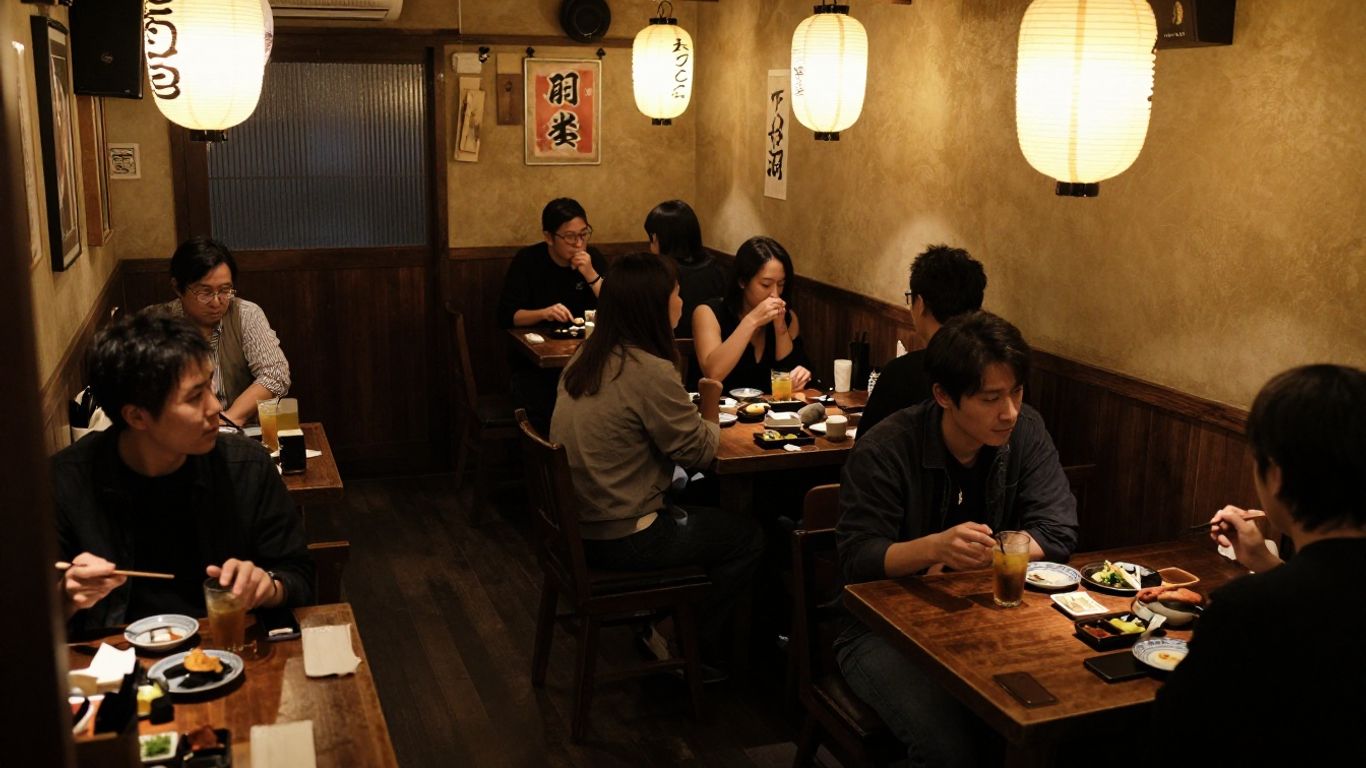
Shibuya, that bustling heart of Tokyo, has its share of izakayas, those Japanese pubs that are a staple for after-work drinks and casual bites. But lately, some of these spots are trying something a bit different, aiming to keep the vibe young and energetic. One place, Tori Yaro Dogenzaka, even put up a sign saying they’re mostly for folks between 29 and 39. They figure it helps keep the noise down and the complaints fewer, which makes sense if you’re trying to maintain a certain atmosphere.
It’s not like they’re kicking out anyone over 40 with a posse of younger friends, but the intention is clear: they want a specific crowd. This whole idea of age limits in bars isn’t exactly new, especially when you look at places like Seoul, where some clubs and pubs have had caps for years. The goal is usually to cater to a particular age group, making sure everyone feels comfortable and has a good time without, say, older patrons complaining about the music being too loud.
It’s a tricky balance, though. While some see it as a way to manage the atmosphere, others call it discriminatory. You’ve got to wonder if this trend will catch on, or if it’s just a temporary experiment for a few places. For now, if you’re heading to a Shibuya izakaya, it might be worth checking their vibe beforehand, especially if you’re not in your prime. You can find some authentic experiences, like at Kushiroya in Shibuya, that focus more on tradition than age restrictions.
Here’s a quick look at what some places are trying:
- Atmosphere Control: Keeping the noise and energy levels suited for a younger crowd.
- Complaint Reduction: Minimizing issues from patrons sensitive to loud music or lively chatter.
- Targeted Clientele: Creating a space that appeals specifically to a certain age demographic.
The idea is to create a specific kind of environment, one that resonates with a younger generation looking for a particular kind of social experience. It’s about managing expectations and ensuring the patrons who do attend get the vibe they’re looking for.
It’s a fascinating development in Tokyo’s nightlife scene, and it’ll be interesting to see if more places follow suit or stick to the more traditional approach. For now, it seems like a ‘soft ban’ is the way to go, rather than a hard cutoff.
5. Seoul Pubs
Seoul’s pub scene is pretty diverse, offering something for pretty much everyone. You’ve got your classic spots, the kind of places where you can just grab a beer and chat without any fuss. Then there are the more modern places, often found in areas like Gangnam or Hongdae, which can get pretty lively, especially on weekends. It’s not uncommon to find places that cater to a younger crowd, aiming for a specific vibe. Some spots might even have unofficial age preferences, though it’s not as strictly enforced as in some parts of Japan.
If you’re looking to explore the nightlife, a pub crawl can be a good way to see a few different places. You can check out Seoul Night Life for organized tours that hit up popular districts.
Here’s a quick look at what you might find:
- Traditional Pubs: Often serve local snacks and drinks, good for a relaxed evening.
- Modern Bars: Trendy spots with contemporary decor and music, usually in busier districts.
- Themed Pubs: Some places focus on specific themes, like sports or live music.
It’s worth noting that while some places might lean towards a younger demographic, the overall atmosphere in Seoul’s pubs is generally welcoming. You can find places that offer lessons or workshops too, like GSM Global Seoul Mates, if you’re looking for a different kind of evening activity.
The focus in many Seoul establishments seems to be on creating a comfortable environment for their target patrons, whether that’s a quiet corner for conversation or a buzzing space for a night out.
Ultimately, finding the right pub in Seoul often comes down to what kind of experience you’re after. Just be prepared for places to get busy, especially in popular areas.
6. Tokyo Izakaya
Tokyo’s izakaya scene is pretty vast, and while most places are open to everyone, you’re starting to see a few spots try to curate a specific vibe. One place, Tori Yaro Dogenzaka in Shibuya, put up a sign saying they’re mostly for folks between 29 and 39. The idea, apparently, is to keep the place from getting too loud or having older patrons complain about the noise. It’s a bit of a controversial move, with some calling it discriminatory.
It’s not like they’re actually checking IDs at the door or anything, more of a suggestion, really. The owner mentioned that their usual crowd is younger and they want to keep that atmosphere going. It makes sense from a business perspective, I guess, trying to attract and keep a certain demographic. It’s all about managing the experience for their target audience.
This isn’t a widespread thing across all of Tokyo, mind you. Most izakayas are still the same welcoming places they’ve always been. But it does make you think about how places try to define themselves. It’s a delicate balance, trying to be inclusive while also catering to a specific group. You can find some great spots for a casual drink and bite, but if you’re looking for a specific kind of crowd, you might need to do a little digging. It’s a bit like trying to find reliable off-grid power solutions; you need to know what you’re looking for. Finding the right spot can take some effort.
Here’s a quick look at what you might find:
- Traditional Izakaya: These are your classic Japanese pubs, serving a wide range of small dishes and drinks. They’re usually pretty laid-back.
- Modern Izakaya: Often have a more stylish interior and might offer a more fusion-style menu.
- Specialty Izakaya: Some focus on specific types of food, like yakitori (grilled skewers) or seafood.
The whole idea of age restrictions in bars is a bit of a head-scratcher for some. It’s not something you see every day, but it’s happening in pockets. It’s a sign of how venues are trying to stand out in a crowded market.
So, while the Tori Yaro Dogenzaka situation is notable, it’s probably not the norm for Tokyo izakayas. Most places are still happy to serve anyone who walks through the door, looking for a good time. It’s a reminder that even in a city with countless options, some places are trying to carve out their own niche, much like how island mode operation ensures a specific kind of energy independence.
7. No Senior Zones
It seems like everywhere you look these days, there’s some new rule about who can and can’t go somewhere. We’re seeing more and more places, especially in places like Seoul, that are putting up signs saying ‘No Seniors Allowed.’ This isn’t just about bars, either. Coffee shops and even sports facilities are getting in on it.
It’s all about creating a specific vibe, I guess. The idea is to keep the atmosphere young and energetic, catering to a particular crowd. The owners figure if the place is full of younger folks, everyone will have a better time. They don’t want complaints about things being too loud or too slow, which they sometimes get from older patrons.
Here’s a quick look at what’s happening:
- Targeting a Younger Demographic: Venues want to attract and keep a clientele that fits a certain age bracket.
- Atmosphere Control: The goal is to maintain a lively, youthful environment.
- Reducing Complaints: Some businesses believe limiting age reduces issues related to noise or pace.
It’s a bit of a strange trend, though. You’d think businesses would want as many customers as possible, but this is what’s happening. It’s definitely a shift from how things used to be, where places were generally open to everyone. It makes you wonder where this is all heading, especially with the population getting older. It’s a tricky situation, and not everyone agrees with it, calling it discriminatory.
This whole ‘no senior zones’ thing is really something else. It’s like they’re trying to turn back the clock, but for everyone else. You go out to have a good time, and suddenly you’re too old to be there. It’s a bit much, honestly.
It’s a complex issue, and it’s definitely changing the landscape of public spaces. We’ll have to see if this trend continues or if things swing back the other way. For now, if you’re looking for a place with a younger crowd, you might need to check the age policy first. It’s a new reality for nightlife spots in Tokyo and elsewhere.
8. University District Bars
You know, it’s interesting how certain spots just seem to attract a specific crowd. The university districts are a prime example of this. These areas are practically buzzing with young energy, and the bars there often reflect that vibe. It’s not uncommon to find places that are geared towards students and younger folks, maybe with more affordable drinks or a livelier atmosphere. These bars often become hubs for social life, especially during the academic year.
Think about it: students are looking for places to unwind after classes, celebrate achievements, or just hang out with friends. The bars in these neighborhoods tend to cater to that need. You might see places with live music, trivia nights, or just a general buzz that appeals to a younger demographic. It’s a whole ecosystem, really. For instance, Seattle’s University District has some interesting spots, like The Mountaineering Club and others that offer unique experiences.
It’s not just about cheap beer, though. These places can be great for networking, meeting new people, or even just people-watching. They often have a more relaxed dress code and a generally more casual feel compared to some of the fancier establishments downtown. It’s all part of the college town charm, I guess.
The focus here is on creating an environment where younger people feel comfortable and can easily connect with others their age. It’s less about exclusivity and more about creating a shared experience for a particular life stage.
Some of these bars might even have special deals during the week or host events tied to university happenings. It’s a smart way for them to stay relevant and keep the cash flowing. Plus, for anyone looking to feel a bit more connected to the younger generation, these areas are definitely worth checking out. They’re a good indicator of current trends and what the younger crowd is into these days. It’s a different world from the quiet, stuffy places you might find elsewhere, and that’s often a good thing. It’s also worth noting how these areas are adapting, with some campuses even looking into sustainable energy solutions like microgrids [72a1] to power their facilities.
9. Dancefloor Venues
Some places are just built for letting loose, you know? We’re talking about spots where the music is loud, the lights are low, and everyone’s there to just move. These aren’t your quiet corner pubs; these are the places with a real vibe, the ones that get packed when the weekend hits.
It’s all about that energy, that feeling when the beat drops and the whole room seems to pulse together. You go to these places to forget your troubles and just enjoy the moment. It’s a different kind of social scene, less about deep conversation and more about shared experience on the floor. Think less about quiet drinks and more about letting the music take over.
These venues often attract a younger crowd, people who are there specifically for the dancing and the atmosphere. It’s a straightforward deal: come, dance, have fun. It’s a simple concept, but when it’s done right, it’s incredibly effective. You see it in places that really focus on the sound system and the space to move. It’s a good way to blow off steam after a long week, and honestly, who doesn’t need that sometimes?
- Good Sound System: This is non-negotiable. The music has to hit right.
- Open Space: Plenty of room to actually dance, not just shuffle awkwardly.
- Energetic Crowd: People who are there to have a good time and aren’t afraid to show it.
- Appropriate Lighting: Enough to see your friends, but dim enough to feel the mood.
These spots are all about the collective energy. When everyone’s on the same wavelength, feeling the music, it creates a really special kind of atmosphere. It’s a pure release, a chance to just be in the moment without any pretense. It’s a good reminder that sometimes, the simplest pleasures are the best ones.
Finding a good dance spot can be hit or miss, but when you find one that clicks, it’s gold. It’s the kind of place you’ll want to go back to again and again. It’s a different kind of night out, for sure, but it’s one that many people really appreciate. It’s a straightforward way to have a good time, and that’s something we can all get behind. It’s a good way to see what’s happening in the local scene, and sometimes you discover some great new music too. It’s a good way to experience the nightlife scene without any fuss.
10. Korean Coffee Shops
You know, it’s not just the late-night spots that are getting picky about who walks through the door. Even the local coffee shops in places like Seoul are starting to feel the age-old pressure. It seems like some places are trying to keep things fresh, aiming for a younger vibe, and that sometimes means older folks get the cold shoulder. It’s a bit of a shift from how things used to be, where you could just grab a coffee and relax, no questions asked.
These spots often focus on creating a specific atmosphere. Think minimalist decor, maybe some trendy art on the walls, and definitely a playlist that leans towards what the younger crowd is listening to. It’s all about curating an experience, I guess. Some places are really good at it, making you feel like you’re part of something cool. You can find some really interesting places if you look around, like the ones mentioned in this guide to Seoul coffee shops.
It’s not always about outright bans, though. Sometimes it’s more subtle. Maybe the music is just a little too loud, or the seating arrangements are more suited for quick meetups than long, leisurely chats. You might find yourself feeling a bit out of place if you’re not in the target demographic. It’s a bit of a balancing act for these businesses, trying to attract a certain crowd without alienating everyone else. Still, it’s a trend that’s definitely noticeable.
Here’s what you might find at some of these places:
- Modern Aesthetics: Clean lines, lots of natural light, and maybe some plants.
- Specific Music Choices: Often upbeat or indie genres.
- Focus on Presentation: Coffee and snacks are often served in a very Instagram-friendly way.
- Community Events: Some host small gatherings or workshops aimed at younger people.
It’s interesting how much effort goes into creating a specific vibe these days. You can see it in the design, the music, even the way the menu is presented. It’s all part of the package.
If you’re looking for a place to just sit and read a book, you might need to do a little research first. But if you’re looking for a spot that feels current and energetic, you’ll probably find plenty of options. Check out some of the popular cafes in Seoul to get a feel for what’s out there.
11. Sports Facilities
It’s interesting how some places are starting to put up age limits, and it’s not just bars and clubs anymore. We’re seeing this pop up in other spots too, like places that are supposed to be for everyone, like sports facilities. You’d think a gym or a community center would be open to all ages, right? But apparently, some places are deciding they want a specific crowd.
Think about it: a gym might want to keep things focused on fitness, and maybe they feel like older folks or younger kids disrupt the vibe. Or maybe they’re trying to create a certain atmosphere, like a place that feels energetic and modern. It’s a bit of a head-scratcher, honestly. The idea of ‘no senior zones’ is becoming a thing, even in places like coffee shops and sports facilities.
Here’s a quick look at what you might find:
- Gyms: Some might limit access to certain workout areas or class times based on age.
- Community Centers: They might have specific programs or hours designated for different age groups.
- Sports Clubs: Membership might be geared towards a particular demographic, or certain facilities could have age restrictions.
It makes you wonder where this is all heading. If you’re looking for a place to get active, you might need to do a bit more digging to find one that fits what you’re looking for. It’s not always as simple as just showing up anymore. You might need to check out membership details to see if you qualify.
This trend of age-restricted spaces, even in places like sports facilities, raises questions about inclusivity. While venues might aim for a specific atmosphere, it can leave others feeling left out.
It’s a strange new world when even a place to play basketball or go for a swim might have rules about who can be there. It’s definitely a shift from the way things used to be, where these places were generally open to everyone in the community. We’ll have to see if this becomes more common or if people push back against it. For now, it seems like you need to be aware of these potential restrictions when planning your activities, just like how some clubs are focusing on a younger crowd, which is a whole other story about celebrity-fueled clubs.
12. Gen Z Pubs
It seems like every generation wants its own space, and Gen Z is no different. We’re seeing a rise in places that are specifically trying to cater to this younger crowd, often by setting age limits. Think of it as a way to keep the vibe consistent.
These spots are often looking for a certain energy, and sometimes, older patrons can change that dynamic. It’s not always about being unfriendly; it’s more about curating an experience. For instance, some places might find that younger folks are more interested in trying new drinks or staying out later, while older groups might prefer a quieter setting.
Mindful consumption is also a big thing with Gen Z. Data shows a lot of them are mixing alcoholic and non-alcoholic drinks, so it’s not just about getting drunk. They’re looking for places that fit their social style.
The idea is to create an environment where everyone feels comfortable and can enjoy themselves without feeling out of place. It’s a tricky balance, trying to please everyone, but these age-capped venues are giving it a shot.
Here’s what you might find at these Gen Z-focused pubs:
- Music: Often features current hits and popular genres.
- Decor: Usually modern, sometimes with a retro twist.
- Drink Menu: Includes craft beers, creative cocktails, and a good selection of non-alcoholic options.
- Atmosphere: Lively and social, encouraging interaction.
It’s a shift from the old days, where bars were just bars. Now, they’re becoming more specialized. This trend might seem a bit odd to some, but it’s really about venues trying to find their niche and attract a specific clientele. It’s interesting to see how bar culture is changing.
13. Youth-Only Bars
It seems like everywhere you look these days, there’s some new rule about who can and can’t get into a place. We’re not just talking about the usual age limits for drinking, but actual caps on how old you can be to even walk through the door. Some spots, especially in places like Seoul, are really leaning into this idea of catering to a specific, younger crowd. Think clubs and bars in areas like Hongdae, where they might have limits for people over 25 or 30. It’s all about trying to keep a certain vibe, apparently.
The idea is that by keeping older folks out, the younger patrons will feel more comfortable and the atmosphere will stay energetic. It’s a business decision, I guess, trying to capture a specific market. But you have to wonder if it’s really the best way to run things long-term.
It’s a bit of a strange concept when you think about it. Back in the day, you just wanted to be old enough to get in. Now, some places want you to be too old to get in. It’s a real shift. This whole trend seems to be more about managing the feel of the place rather than anything else. They want to avoid complaints about noise or just a general mismatch in energy levels. It’s a tricky balance, for sure, and not everyone agrees with it. Some folks see it as discriminatory, and honestly, it’s hard to argue with that point of view. It makes you wonder what the next big restriction will be. Maybe they’ll start checking your social media to see if you’re ‘cool’ enough? Who knows. For now, if you’re looking for a night out in certain parts of Asia, you might want to check the age policy before you head out, especially if you’re past your prime. It’s a whole new world of nightlife spots out there.
14. Under-39 Izakayas
So, you’re looking for a place to grab some food and drinks, but you’re not exactly ready to be considered ‘vintage’ by the nightlife scene. That’s where these under-39 izakayas come in. It’s a bit of a new thing popping up, especially in places like Tokyo, where one izakaya, Tori Yaro Dogenzaka, decided to put up a sign saying it’s basically for folks between 29 and 39. They said it’s to keep the vibe young and cut down on complaints about noise. Makes sense, I guess, if you’re trying to keep things lively.
It’s not like they can actually stop you at the door if you’re 40, it’s more of a suggestion, a ‘soft ban’ as they call it. If you’ve got a younger friend with you, you’re usually good to go. It’s a way for these places to try and manage the atmosphere they want. Think of it like a specific playlist for a party – they want the right crowd for the right mood.
This idea isn’t totally new, though. Over in South Korea, especially around university areas like Hongdae, you see places with age limits that can be even lower, sometimes kicking off at 25 or 28. It’s all about catering to a particular age group. It’s a bit of a shift from the usual, where you just hoped you looked old enough to get in. Now, some places are saying you might be too old for their scene.
It’s a curious trend, this idea of age caps. While some see it as discriminatory, others argue it’s just about creating a specific environment. For the venues, it’s about managing expectations and ensuring the patrons they want are the ones enjoying themselves. It’s a business decision, plain and simple.
It’s not clear if this is going to become a huge thing everywhere, but it’s definitely something to keep an eye on. For now, if you’re under 40 and looking for a specific kind of atmosphere, these spots might be worth checking out. You can find some great izakaya restaurants in Honolulu that might offer a similar vibe without the strict age rules. It’s all about finding the right fit for your night out.
15. Over-30 Bans
It seems like just yesterday we were all trying to get into bars when we were underage, right? Now, some places are putting up signs saying you’re too old. We’re seeing this trend pop up, especially in places like Seoul and Tokyo, where certain clubs and izakayas are deciding they only want a younger crowd. They call it a ‘soft ban’ sometimes, meaning if you’re with someone younger, you might still get in, but the idea is clear: they’re trying to curate a specific vibe.
Why would they do this? Well, the owners often say it’s about managing the atmosphere. Apparently, older patrons can sometimes complain about the noise or the general energy of a place. So, to keep everyone happy, they’re drawing a line in the sand, usually around the 30 or 40-year-old mark. It’s a bit of a shake-up for nightlife, and you can imagine it causes some grumbling.
Here’s a quick look at how these age limits can play out:
- Targeting a specific demographic: Venues want to attract a certain age group, like Gen Z or millennials.
- Atmosphere control: Keeping the energy levels high and complaints low.
- Creating a niche: Offering a space that feels exclusive to a particular generation.
It’s a strange turn of events, isn’t it? This isn’t just about keeping things lively; it’s about actively excluding a segment of the population. You might find yourself checking the age policy before heading out, especially if you’re looking for a night out in areas like Hongdae clubs. It makes you wonder what the next big trend in nightlife will be, and if these age restrictions are here to stay or just a passing fad. It’s a far cry from the days when the biggest worry was being old enough to get in, not too old. It makes you think about how different generations interact and what spaces are truly for everyone. It’s a complex issue, and it’s definitely changing the landscape of how we socialize. It’s almost like a new form of social engineering, isn’t it? The idea of a place being ‘too old’ for you is a new concept for many, and it’s something that’s being discussed more and more, even impacting how businesses operate, much like how major banks have to adapt to new regulations.
16. Age-Cap Nightlife
It seems like some places are trying to keep things young, and that includes bars and clubs. We’re seeing more spots putting up signs that say ‘under 40’ or even stricter limits. The idea, apparently, is to keep the atmosphere lively and cater to a specific crowd. For example, one izakaya in Tokyo decided to limit entry to people between 29 and 39, saying older customers tend to complain about the noise. It’s a bit of a controversial move, with some calling it discriminatory.
This isn’t just a Tokyo thing, though. In Seoul, especially around university areas like Hongdae, you’ll find clubs and pubs that have maximum age restrictions, sometimes as low as 25 or 28. It’s all about creating a vibe for a particular age group.
- Younger Atmosphere: Venues aim to maintain a specific energy level.
- Reduced Complaints: Some owners believe younger crowds are less likely to complain about noise or other issues.
- Targeted Clientele: Businesses want to attract and serve a demographic they feel best fits their establishment.
It’s a strange new trend, and whether it catches on widely remains to be seen. For now, if you’re over a certain age, you might find yourself looking for a different kind of spot. It’s a bit like trying to find a good skincare routine; you need the right products for your specific needs, and sometimes that means looking beyond the obvious brightening duo.
Some places are essentially saying, ‘If it’s too loud, you’re too old.’ It’s a bold move that definitely changes the game for who can go where.
17. Young Atmosphere Pubs
Some places are just trying to keep things lively, you know? It’s not always about excluding people, but more about making sure the vibe stays consistent. Think about it, if you’re looking for a place with a lot of energy, maybe some loud music and a younger crowd, you probably don’t want a bunch of folks just sitting around quietly. That’s kind of the idea behind these "young atmosphere" pubs. They want to make sure everyone there is on the same page, looking for a good time with a certain kind of buzz.
It’s a bit like how a brewery might focus on a specific type of beer. Take Humble Abode Brewing for example; they’ve got their own thing going on. These pubs are similar, just with a focus on the people and the energy. They’re not trying to be stuffy or quiet; they’re aiming for a place where people can really let loose and have fun.
Here’s a quick breakdown of what that often means:
- Music: Usually something upbeat, maybe current hits or popular dance tracks.
- Crowd: Generally people in their 20s and 30s, but the main thing is they’re there to be social and energetic.
- Decor: Often more modern, maybe a bit brighter, designed to feel less formal.
- Activities: Think dancing, mingling, and just generally being loud and having a good time.
The goal is to create a space where the energy is high and people feel comfortable being themselves, whatever that looks like for a younger demographic. It’s about matching the environment to the desired experience.
It’s a tricky balance, for sure. You want to attract people who are looking for that specific kind of fun, but you also don’t want to alienate everyone else. It’s a bit like trying to keep the traditional power grid updated – you want to serve the current needs without breaking everything. These pubs are just trying to serve a particular crowd looking for a particular kind of night out.
18. Soft Ban Izakayas
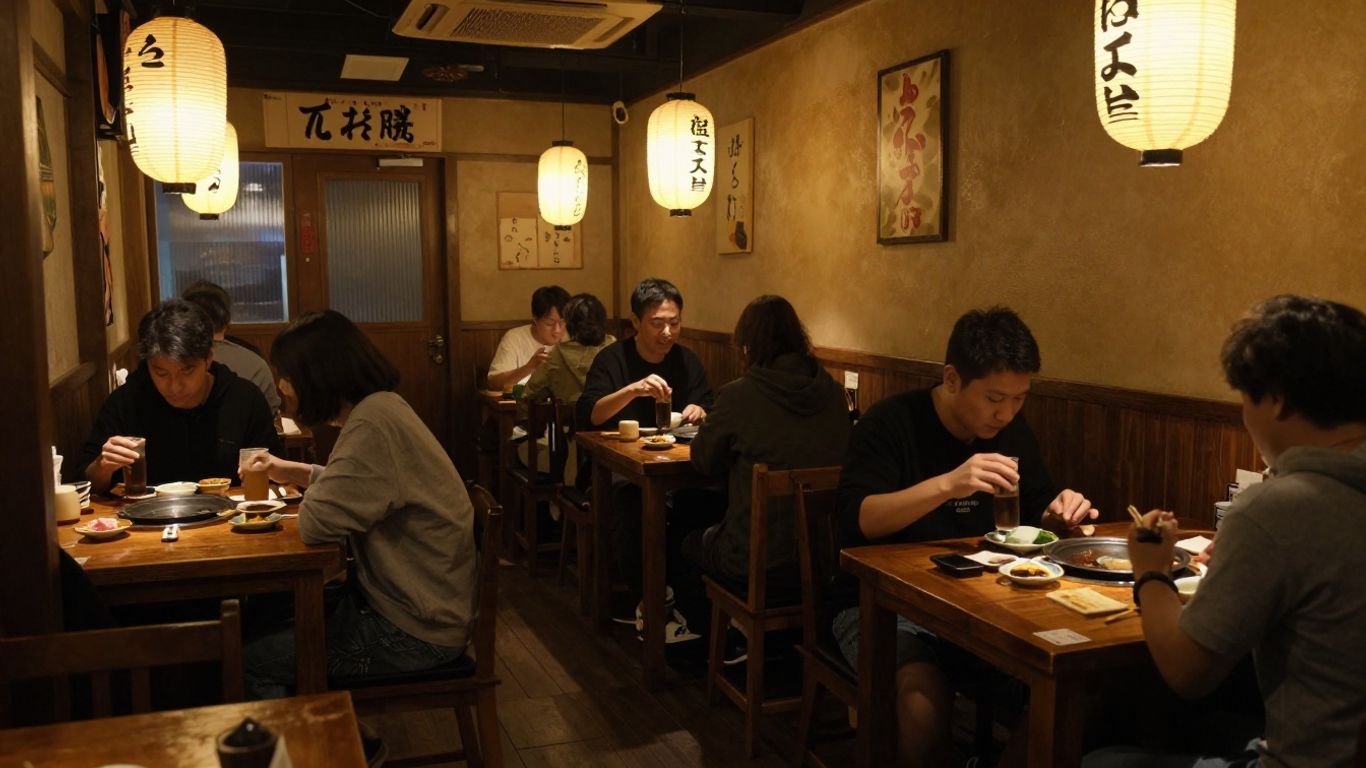
So, we’re talking about these izakayas, right? Some of them are starting to put up these ‘soft bans,’ basically saying folks over a certain age, usually around 40, aren’t really the target audience anymore. It’s not a hard rule, mind you. If you’re with someone younger, or maybe you’re friends with the staff, you might still get in. It’s more about trying to keep a certain vibe going, you know? The idea is that older patrons might complain about the noise or the general atmosphere, which can be a buzzkill for the younger crowd they’re trying to attract. It’s all about curating an experience for a specific demographic.
These places aren’t trying to be outright discriminatory, or at least that’s what they say. They just want to make sure everyone who is there is having a good time, without the potential for complaints that might come from a mixed-age group. It’s a tricky balance, for sure. You see this happening in places like Tokyo, where one izakaya chain has a specific spot that’s trying to keep things lively for the under-40 crowd. It’s a bit of a new thing, and not everyone is thrilled about it, but it’s happening.
Here’s a quick look at what that might mean:
- Targeted Atmosphere: Venues aim for a specific energy level and crowd type.
- Noise Management: Reducing complaints from patrons sensitive to louder environments.
- Demographic Focus: Creating a space that appeals primarily to younger adults.
It’s interesting to see how different establishments are trying to manage their customer base. Some places might just adjust their music or decor, but others are going for these age-related policies. It makes you wonder if this is just a passing fad or if it’s going to become more common in the Asian nightlife scene. For now, if you’re over 40 and looking for a specific kind of izakaya experience, you might need to do a little extra homework to find a place that welcomes you, or perhaps find a younger friend to tag along. It’s a bit of a shift from the old days where most places were just happy to have anyone with money to spend. This move by some Tokyo pubs is definitely something to keep an eye on.
19. 29-39 Limit Bars
So, you’re looking for a place that’s not packed with either teenagers or folks who remember dial-up internet? Some spots are trying to keep things in a specific age bracket, like this izakaya in Shibuya that put up a sign saying customers should be between 29 and 39. It’s a bit of a soft ban, meaning they’ll let you in if you’re with someone younger, or if you’re friends with the staff.
It seems like the idea is to create a certain vibe, you know? The owners mentioned that older customers sometimes complain about the noise, and they want everyone to have a good time. It’s a tricky balance, for sure.
This whole age-limit thing is definitely a new one for many places. It’s not like the old days where you just had to be 21 to get in anywhere. Now, some places are trying to curate their crowd a bit more specifically.
It’s not a widespread thing yet, but it’s interesting to see how places are trying to manage their atmosphere. You might find these kinds of places if you’re looking for a specific kind of night out, maybe somewhere that feels a bit more current. It’s worth checking out Tokyo nightlife spots if you’re curious about what’s happening there.
20. Under-40 Pubs
It seems like some places are trying to keep things fresh by setting age limits, and this trend is popping up in places like Tokyo and Seoul. One izakaya, Tori Yaro Dogenzaka, put up a sign saying it’s for customers between 29 and 39. They said it’s to keep the atmosphere young and avoid complaints about noise from older patrons. It’s a bit of a controversial move, with some calling it discriminatory.
This isn’t totally new, though. In Seoul, especially around university areas like Hongdae, clubs and pubs often have maximum age restrictions, sometimes for people over 30, 28, or even 25. The idea is to cater to a very specific age group, making sure the vibe stays consistent. It’s like they’re trying to curate a particular experience for a certain crowd.
The reasoning behind these age caps often boils down to managing the desired atmosphere. Venues want to ensure a certain energy level and avoid potential conflicts or complaints that might arise from a mixed-age crowd.
While these places aim for a specific demographic, it’s worth noting that these rules aren’t always strictly enforced. Sometimes, they’re more like guidelines, especially if you’re with someone younger or if you’re a friend of the staff. It’s a tricky balance, trying to appeal to a younger crowd without alienating everyone else. It makes you wonder if this is the future of nightlife, or just a passing fad. For now, it seems like a niche thing, but it’s definitely something to keep an eye on as the energy sector also looks at decentralized grids for future resilience.
It’s a far cry from the days when you just worried about being old enough to get in. Now, you might have to worry about being too old. It’s a strange twist on the usual nightlife scene, and it’s interesting to see how different places are trying to stand out. Maybe it’s about creating a specific kind of social space, much like how renewable energy is changing how we think about power.
21. Asian Age-Restricted Bars
It seems like a new trend is popping up in some parts of Asia, especially in places like Tokyo and Seoul. Some bars and izakayas are starting to put up signs saying that only certain age groups are allowed in. For example, one izakaya in Tokyo’s Shibuya district put up a sign saying customers had to be between 29 and 39 years old. They said it was to keep the atmosphere young and prevent complaints about noise from older patrons. It’s a bit of a surprise, right? Most of us are used to worrying about being too young to get into a place, not too old.
This isn’t just a Tokyo thing, though. In Seoul, particularly in areas like Hongdae, which is known for its university scene, you can find clubs and pubs that have age limits, sometimes for people over 30, 28, or even 25. The idea is pretty much the same: create a specific vibe for a particular age group. It’s interesting to think about how different places try to curate their customer base. While some find these restrictions a bit off-putting, others might see them as a way to ensure a certain kind of night out. It’s definitely one of the more unique drinking establishments Asia has to offer.
These age caps are often called ‘soft bans’ because they aren’t always strictly enforced. Sometimes, if you’re with someone younger, or if you’re friends with the staff, you might still get in. It’s more about setting a general expectation for the kind of crowd they want.
It makes you wonder about the best bars in East Asia and how they’re trying to stand out. Are these age limits a passing fad, or are we going to see more places trying to cater to very specific age demographics? It’s a complex issue, and not everyone agrees with it, with some calling it discriminatory. Still, for travelers looking for a specific kind of experience, knowing about these places could be helpful. You might find some real hidden bar gems Asia if you look into these niche spots. If you’re planning a trip and want to know about places that welcome younger crowds, you might want to check out some of the 18+ bars in Los Angeles to get an idea of how different cities handle age restrictions, though the Asian approach is quite distinct.
- Tokyo Izakaya: Some places are limiting entry to specific age ranges, like 29-39.
- Seoul Pubs: University districts often have age caps, sometimes as low as 25 or 28.
- Atmosphere Control: The main reason cited is to maintain a desired ambiance for younger patrons.
It’s a different way of looking at nightlife, for sure. For those seeking out particular experiences, these age-restricted venues can be part of the adventure. It’s a reminder that the world of bars and clubs is always changing, with different places trying new things to attract their ideal customers. If you’re curious about places that might have age limits, you could also look into nightlife spots in Louisville to see how other cities approach it, though the reasons might differ.
22. Tokyo Nightlife Spots
Tokyo’s nightlife is a whole different ballgame, and honestly, it’s not always about just finding a place to grab a drink. You’ve got these spots that are really trying to curate a specific vibe, sometimes for a younger crowd. It’s a bit of a shift from what you might expect, moving away from the old-school, anything-goes approach.
Some places are even putting up signs, like that one izakaya in Shibuya that said ‘Under 40-only.’ It caused a stir, naturally. People called it discriminatory, and you can see why. But the owners said it was about keeping the atmosphere lively and avoiding complaints from older patrons about the noise. It’s a tricky balance, trying to please everyone, or maybe just trying to please a specific group.
- Shinjuku Shisha Club: Offers a relaxed vibe with flavored tobacco.
- Tantra Tokyo Burlesque Show Club: For those seeking a more theatrical experience.
- Atom Shinjuku: A popular club known for its energetic music.
It makes you wonder if this is the direction things are heading. Are we going to see more places trying to create these age-specific zones? It’s not just in Tokyo, either. You see similar trends popping up in other nightlife spots in Southeast Asia, though perhaps not as openly advertised. It’s a complex issue, and frankly, it feels like a sign of the times, where everyone wants their own space. The idea of a decentralized grid, where power isn’t just in one place, seems to be influencing more than just electricity these days. It’s about creating tailored experiences, even if it means drawing lines.
The push for these specific age groups in nightlife venues is a curious development. It’s not just about age, but about the kind of energy and atmosphere a venue wants to cultivate. Whether it’s a trend that catches on or just a passing fad remains to be seen, but it’s certainly changing how some people think about going out.
23. Seoul University Bars
When you’re in Seoul and looking for a good time, especially if you’re on the younger side, hitting up the areas around the universities is a solid bet. These spots are usually buzzing with energy and cater to a crowd that’s just starting out in their adult lives. Think places where the music is loud, the drinks are affordable, and everyone’s just looking to have a good time without any fuss.
It’s not just about cheap beer, though. Many of these bars have a real knack for creating an atmosphere that feels current and exciting. You’ll find places that are packed on a Friday night, with students and young professionals alike unwinding after a long week. It’s a different vibe than some of the more established nightlife districts; it feels more raw and energetic, you know?
Here’s what you can generally expect:
- Vibrant Atmosphere: Expect lively music, often pop or electronic, and a general sense of fun.
- Affordable Prices: Student budgets are a real thing, so prices are usually quite reasonable.
- Crowded Spaces: Especially on weekends, these places can get packed. It’s part of the charm, really.
- Focus on Youth: Many venues here aim for a younger demographic, so don’t be surprised if you see age restrictions, though they’re not always strictly enforced. It’s more about maintaining a certain vibe.
These university areas are great for experiencing a more authentic, less polished side of Seoul’s nightlife. It’s where you can really feel the pulse of the city’s younger generation. If you’re looking to experience the local scene without breaking the bank, these are definitely the places to check out. You might even find yourself dancing until the early hours, just like the students do. It’s a good way to see what the younger crowd is into these days, and honestly, it’s usually a lot of fun. Just be prepared for a lively crowd and a good time. For more on Seoul’s diverse nightlife, you can check out various districts.
These areas are a good reminder that nightlife isn’t just for the old guard. It’s about energy, connection, and having a good time, no matter your age, though some places do try to keep it focused on the younger crowd. It’s a dynamic part of the city’s social fabric.
24. Izakaya Chains
You know, sometimes you just want a reliable meal and a drink without any fuss. That’s where izakaya chains come in. They’re not trying to be some super exclusive, trendy spot. Instead, they focus on giving you a consistent experience, which is honestly pretty great when you’re out with friends or just need a predictable evening.
These places often have picture menus, which is a lifesaver if you’re not fluent in Japanese. It makes ordering way less of a gamble. Plus, the food is usually pretty standard, so you know what you’re getting. Think of them as the fast-casual restaurants of the Japanese pub world. They’re a good starting point for anyone new to the whole izakaya scene.
Here’s what you can generally expect:
- Consistent Menu: The same popular dishes are available across most locations.
- Accessible Pricing: Generally more affordable than independent establishments.
- English-Friendly Options: Many offer menus with English translations or pictures.
- Relaxed Atmosphere: Less pressure to know all the etiquette, more focus on enjoying yourself.
It’s true, some people might say they lack the unique charm of a small, family-run place. And yeah, maybe they don’t have that wow factor. But for a straightforward, enjoyable night out, especially if you’re trying to manage your budget or just want something easy, these chains are a solid choice. They’re built for volume and consistency, not necessarily for groundbreaking culinary adventures. It’s about providing a comfortable space for people to unwind after a long day, without the drama of trying to figure out a complicated menu or an overly niche vibe. They’re a practical solution for a common need.
25. Maximum Age Venues and more
So, we’ve talked about places that want younger folks, but what about the flip side? It’s not super common, but some spots are starting to put limits on how old you can be. Think of it like a "no seniors allowed" policy, but for bars and clubs. One izakaya in Shibuya, Tori Yaro Dogenzaka, made a bit of a splash by saying customers should be between 29 and 39. They said it’s all about keeping a certain vibe, you know, for the younger crowd. It’s not like they can actually stop you at the door if you’re 40, but it’s a signal about the kind of atmosphere they’re going for.
This kind of thing isn’t totally new, especially in places like South Korea. You’ll find clubs and bars in areas like Seoul’s Hongdae district that have age caps, sometimes over 30, or even 25. The idea is usually to create a specific environment for a particular age group. It’s a bit of a head-scratcher for some, wondering if it really makes a difference or if it’s just creating unnecessary divisions.
Some places are trying to curate a specific age group, which can be seen as a way to manage the overall experience for their target customers. It’s a business decision, but it definitely sparks conversation about inclusivity.
It’s worth noting that these age limits aren’t always strictly enforced, and sometimes they’re more of a suggestion. The Tori Yaro Dogenzaka place, for example, has a loophole where if you’re with someone younger, you might still get in. It’s a tricky balance between wanting a certain crowd and not alienating potential customers. For now, it seems like a niche thing, and most places probably won’t go down this road. They might focus more on music, decor, or drink specials to attract who they want. It’s a strange trend, for sure, and it’s interesting to see how it plays out. Protecting your skin from the sun is always a good idea, no matter your age, so remember your broad-spectrum SPF 30 sunscreen when you’re out and about. And hey, if you’re looking for a good snack, maybe try some sunflower seeds – they’re a classic for a reason.
So, What’s the Takeaway?
Look, this whole ‘under 40’ bar thing is kind of a head-scratcher, isn’t it? It started in Asia, with some places wanting to keep things lively for a younger crowd. They say it’s about the vibe, about avoiding complaints from older folks who find it too noisy. But honestly, it feels a bit off. We’re not exactly talking about places that are hard to get into, and telling people they’re too old to have a drink? That just doesn’t sit right. It’s a strange idea, and for now, it doesn’t seem like it’s catching on everywhere. Most places probably figure they can just keep doing things the old-fashioned way, with music and drink choices, and let people decide for themselves where they want to go. We’ll see if it changes, but for now, it’s just a weird little trend that probably won’t last.
Frequently Asked Questions
What’s the deal with these ‘under 40’ bars?
Some bars in places like Tokyo and Seoul are trying out rules that say customers have to be a certain age, usually younger than 40. It’s like a soft age limit, meaning they prefer younger people to keep the vibe lively.
Why would a bar limit older customers?
The main reason seems to be about keeping the atmosphere just right for a younger crowd. Owners sometimes feel that older customers might complain more about noise, and they want everyone to have a fun time without bothering others.
Is this happening in many places?
It’s not super common yet, especially in Tokyo. One izakaya (Japanese pub) tried it, and it caused some debate. In South Korea, though, places in areas like Hongdae have had age limits for a while, often for clubs and pubs.
Is it legal to ban people based on age?
In Japan, these rules are more like strong suggestions, often called a ‘soft ban.’ There isn’t really a legal way to stop someone from entering just because they are over a certain age. The bars might check if people look like they fit the vibe.
Are there other ‘no-go’ zones for certain ages?
Yes, in South Korea, there are also ‘no senior zones’ in places like coffee shops and even sports centers. This means older people might not be welcome there either, which has also sparked some talk about fairness.
Will this become a big trend?
It’s hard to say for sure. Some people think it’s a bit unfair. Right now, it seems like a niche thing, and many bars probably won’t adopt it. They might focus more on things like drink prices or music to attract specific age groups instead.