Russia’s ‘Unfriendly Countries’ List: Who Is on It and Why It Matters
Key Takeaways
This article examines the historical context, composition, and strategic implications of the list of nations designated as unfriendly by the Russian Federation. It addresses the shifting economic and diplomatic landscape following extensive sanctions.
- The blacklist serves as a primary tool for state-led economic retaliation.
- Inclusion criteria largely focus on countries that have imposed recent sanctions.
- Russia is actively reorienting its trade architecture toward non-Western markets.
- The legal framework forces foreign entities to adapt to new rouble-denominated payment systems.
- Persistent diplomatic tensions signal a long-term recalibration of international relations.
The origins and strategic intent behind the blacklist
Retaliation against Western sanctions and trade restrictions
The Russian government established the official designation of "unfriendly countries" primarily as a direct response to coordinated economic pressures. By identifying specific nations, Moscow signaled its intent to impose reciprocal measures that offset domestic impacts from foreign boycotts and trade barriers. This systematic policy response transformed routine diplomatic friction into a formalized economic strategy intended to protect core domestic sectors from external volatility.
Asserting national sovereignty in a globalized economy
By drawing a hard line against foreign influence, the Kremlin aims to reinforce the perception of institutional autonomy among its citizens. This move asserts that the state retains control over its internal market regardless of global consensus. Experts analyzing top importers and exporters often highlight how such measures attempt to decouple national interests from Western financial architectures, prioritizing self-reliance in a volatile globalized economy.
Signaling the end of post-Cold War diplomatic cooperation
The implementation of this list marks a decisive shift away from the post-1991 era of integration. It serves as a geopolitical signal that the previous framework of mutual cooperation has been replaced by managed confrontation. This evolution in state policy reflects a fundamental reappraisal of international partnerships and the necessity to build a resilient, inward-looking economic base for the long term.
Analyzing the current composition of the list
The inclusion of NATO members and European Union states
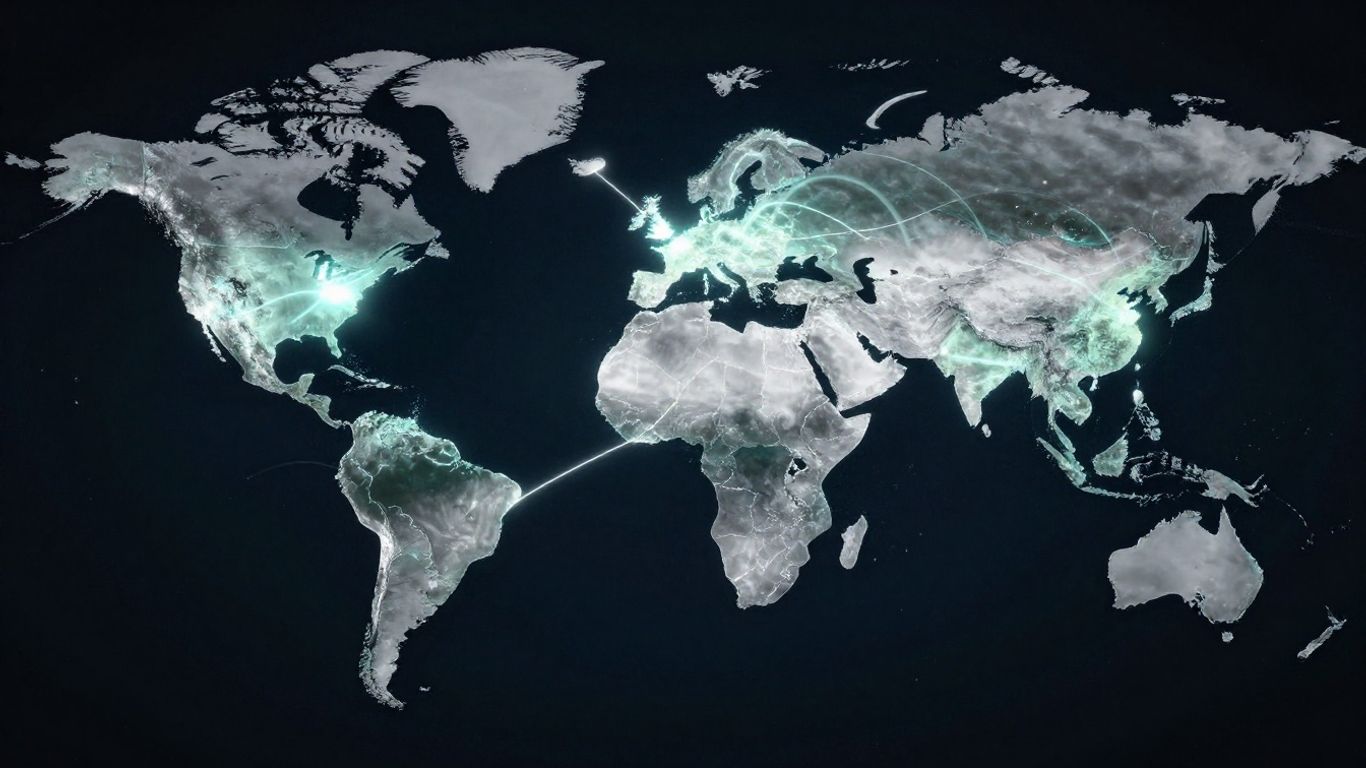
The list encompasses nearly all member states of the European Union and NATO, reflecting the severity of the rift caused by the events in Ukraine. These nations, having enforced the most stringent economic penalties, remain the primary subjects of Moscow’s countermeasures. The inclusion is essentially a structural acknowledgment that standard diplomatic and trade relations with these entities have been fundamentally altered.
Notable absences and the significance of neutral partners
Certain nations have maintained a calculated neutrality, allowing them to remain off the blacklist and continue regular economic interactions. This strategic non-alignment creates essential channels for trade, bypassing the broader restrictions that many other countries face. Identifying reliable IT staff augmentation companies in these regions has become a critical operational task for companies looking to maintain continuity despite the closure of Western European hubs.
How regional neighbors perceive their status on the list
Proximity to the Russian border introduces a complex dimension to how nations navigate these designations. Some neighboring states manage to maintain essential functional communication lines, whereas others find their status deteriorating rapidly as they pivot their security interests. As noted by Western intelligence officials, internal stability remains a key concern for countries caught in this shifting sphere of influence.
Economic ramifications for designated nations
Changes to debt payment protocols in rubles
Russia mandated that entities from listed nations fulfill their financial obligations through specialized rouble-denominated accounts held at domestic banks. This shift effectively forces international creditors to navigate Russian monetary infrastructure, complicating traditional currency settlement processes. By centralizing these transactions, the state gains significant oversight over capital flows while mitigating the impact of frozen currency reserves.
Restrictions on corporate assets and intellectual property
The government has implemented a rigorous approval process for any significant corporate divestment or intellectual property transfer involving entities from the blacklisted group. This creates a challenging environment for global firms attempting to exit the market. Managing these risks often requires consulting with experts who understand the disability insurance and liability nuances inherent in shifting assets across volatile legal jurisdictions during periods of heightened nationalism.
Navigating energy trade hurdles in an unfriendly climate
Energy exports have become a focal point of these economic maneuvers, with Moscow leveraging its resource wealth to create supply bottlenecks for dependent economies. The following table summarizes the strategic shift in energy policy observed since the designation of these nations:
| Mechanism | Before Designation | Current Status |
|---|---|---|
| Payment Currency | USD / EUR | Rouble / National Currencies |
| Infrastructure Dependence | Multi-lateral pipelines | Pivot to Eastern corridors |
| Delivery Contracts | Long-term Fixed | Spot or Bilateral Adjusted |
This transition has forced many importers to rethink their long-term supply chains, as previous dependencies may no longer be reliable.
Geopolitical motivations and the pushback against hegemonism
Challenging the influence of international financial institutions
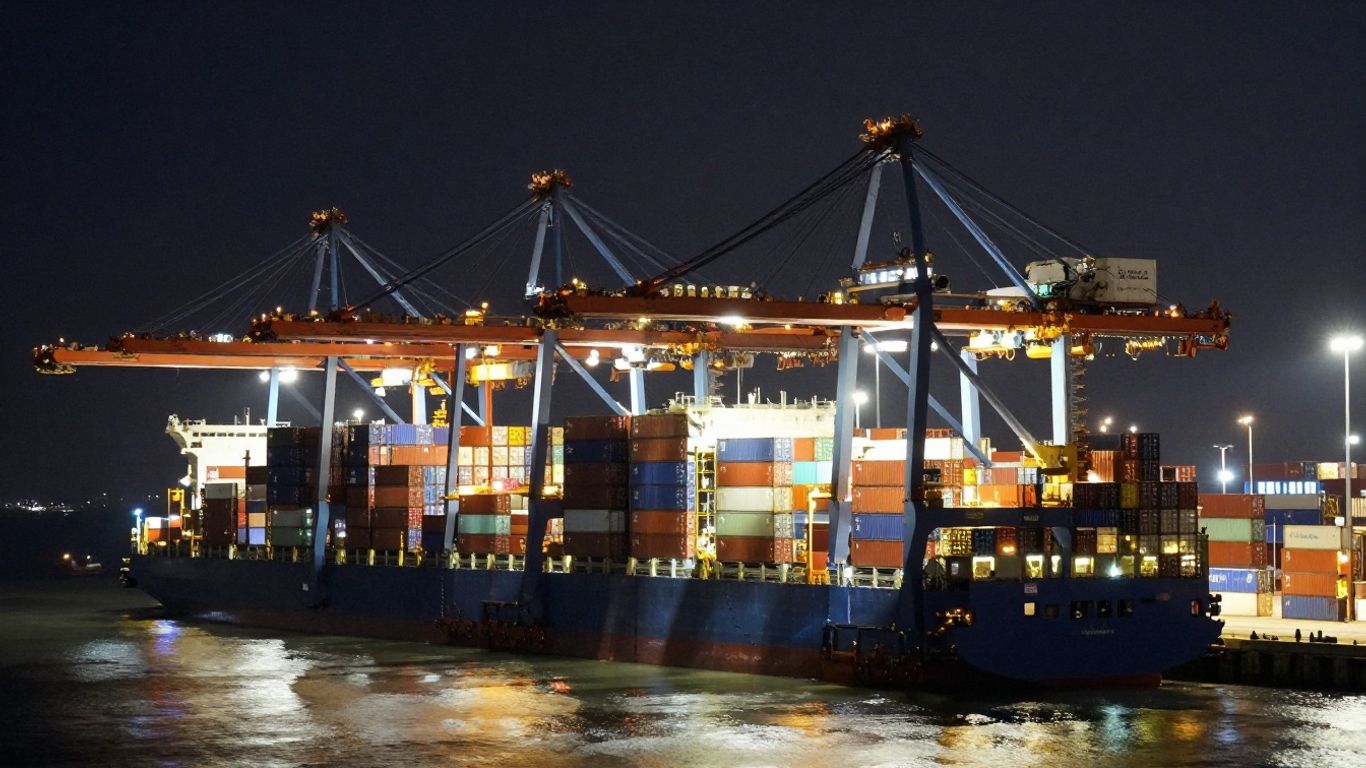
Moscow’s strategy involves actively undermining the authority of Western-led global financial institutions that have historically governed international commerce. By prioritizing domestic alternatives, the state seeks to establish a framework where its economic policy is immune to decisions made in Washington or Brussels. This aligns with broader efforts to promote a multipolar world order that reduces reliance on any single hegemon.
Reconfiguring supply chains away from Western orbits
Persistent efforts to build indigenous production capabilities and foster trade with non-aligned partners represent a major long-term strategic reorientation of national industry. The following list highlights key areas currently under development to ensure economic continuity:
- Domestic semiconductor and specialized chip manufacturing facilities.
- Enhanced logistical corridors stretching deep into Central and Eastern Asia.
- Expansion of bilateral trade settlements using bullion or local currency pairs.
- Targeted promotion of local tourism infrastructure to replace lost European travel markets.
By moving away from Western-centric supply chains, managers hope to build a system that is impervious to further external sanctions.
Utilizing economic leverage as a diplomatic tool
The use of economic resources as leverage is not merely defensive; it is an active instrument of statecraft. Moscow uses these tools to discourage further punitive actions from abroad while rewarding those who maintain an independent foreign policy. This tactical use of commercial power signifies that the era of separating business from politics has come to an end within the Russian policy landscape.
The diplomatic consequences of the Russia unfriendly countries list
Deterioration of bilateral communication channels
Diplomatic channels between Russia and the designated nations have faced consistent degradation, moving from established cooperative protocols to low-level bureaucratic interactions. This narrowing of space for high-level dialogue complicates conflict resolution and increases the risk of regional misunderstandings. The ability to resolve common issues has been replaced by a environment of public posturing and restricted access.
The role of tit-for-tat diplomatic expulsions
Periodic expulsions of diplomatic personnel have become a common occurrence, mirroring the downward spiral of formal ties between nations. These actions serve as visible demonstrations of hostility, eroding the remaining remnants of historical diplomatic goodwill. The continuous downscaling of embassy staff creates a self-reinforcing cycle of limited capacity to coordinate on even basic consular affairs.
Impact on long-term regional stability in Eastern Europe
The ongoing tensions exacerbate regional instability, as states in proximity to the conflict are forced to choose between security alliances and economic ties. This creates fragmented blocs that increase the likelihood of future disputes over borders, trade access, and regional security arrangements. The lack of a stable framework for neighboring nations exacerbates the geopolitical friction already present in the region.
Future outlook for Russia’s global alliances
Strengthening partnerships with the Global South
Moving forward, Russia is deepening its engagement with regions across the Global South that have largely maintained a neutral stance regarding systemic international disagreements. These partnerships provide vital support for both market access and security cooperation. The objective remains to create a sustainable network that serves as a counterweight to the economic dominance of the G7 nations.
The rise of alternative trade frameworks and settlement currencies
Russia continues to champion the development of alternative payment systems that do not rely on the SWIFT network or Western-settled currencies. By scaling these frameworks, the country intends to insulate its international trade environment from the threat of future banking sanctions. This growth of non-Western infrastructure is presented as a necessary step for ensuring long-term sovereign economic stability.
Balancing domestic stability with prolonged outside isolation
Maintaining socioeconomic stability while cut off from traditional markets remains a significant challenge for the Kremlin. The success of this balance depends on the ability to redistribute capital toward internal development while preventing inflationary pressures from undermining public support. Long-term isolation requires the state to find new efficiencies, resulting in a state-managed model that prioritizes domestic resilience over international integration.
Conclusion
The designation of an unfriendly countries list demonstrates a profound shift in Russia’s long-term geopolitical architecture, signaling a permanent departure from the integration policies of previous decades. By weaponizing economic policy and reconfiguring international allegiances, Moscow seeks to build a resilient, autonomous state that is capable of operating entirely independent of established Western frameworks.
Frequently Asked Questions
What is the primary purpose of the Russia unfriendly countries list?
The list functions as a formal designation allowing the Russian government to impose reciprocal countermeasures, including trade restrictions and debt payment requirements, on nations that have enacted sanctions against it.
Which countries are currently labeled as unfriendly by Russia?
This category encompasses all G7 members and all 27 European Union states, along with other nations that have consistently supported sanctions against the Russian Federation following the events of 2022.
Does this designation prevent all trade with these nations?
It does not completely cease trade, but it imposes significant legal and financial obstacles, such as the requirement for government commissions to approve corporate deals and specific rouble-based payment mandates.
How does this list affect individual citizens from these countries?
While the primary impact is on corporate entities and diplomatic missions, it limits the size and scope of diplomatic staff allowed to operate within Russia and creates a generally restricted environment for business interactions.
Are there any countries that have managed to stay off the list?
Several nations have maintained a strictly neutral or unaligned stance on recent international events and have thus avoided the official unfriendly classification, allowing for more stable trade and diplomatic relations.
How has the list changed since its inception in 2021?
Initially including only the United States and the Czech Republic, the list expanded rapidly and significantly after February 2022 to encompass the vast majority of Western-aligned states as the diplomatic and economic landscape shifted.
Can a country be removed from the list?
Though not common, the framework technically remains a matter of ongoing state policy, meaning the government could adjust these designations based on future developments in international cooperation or geopolitical relations.