G20 Wealth Transfer
It feels like every time you turn around, there’s talk about how the rich are getting richer. And it’s not just about their incomes; it’s about the massive amounts of money being passed down through families. This whole situation, this wealth transfer, is becoming a really big deal on a global scale. It’s something that affects everyone, not just the folks at the very top. We’re seeing reports and discussions about it everywhere, and it’s clear that something needs to be done.
Key Takeaways
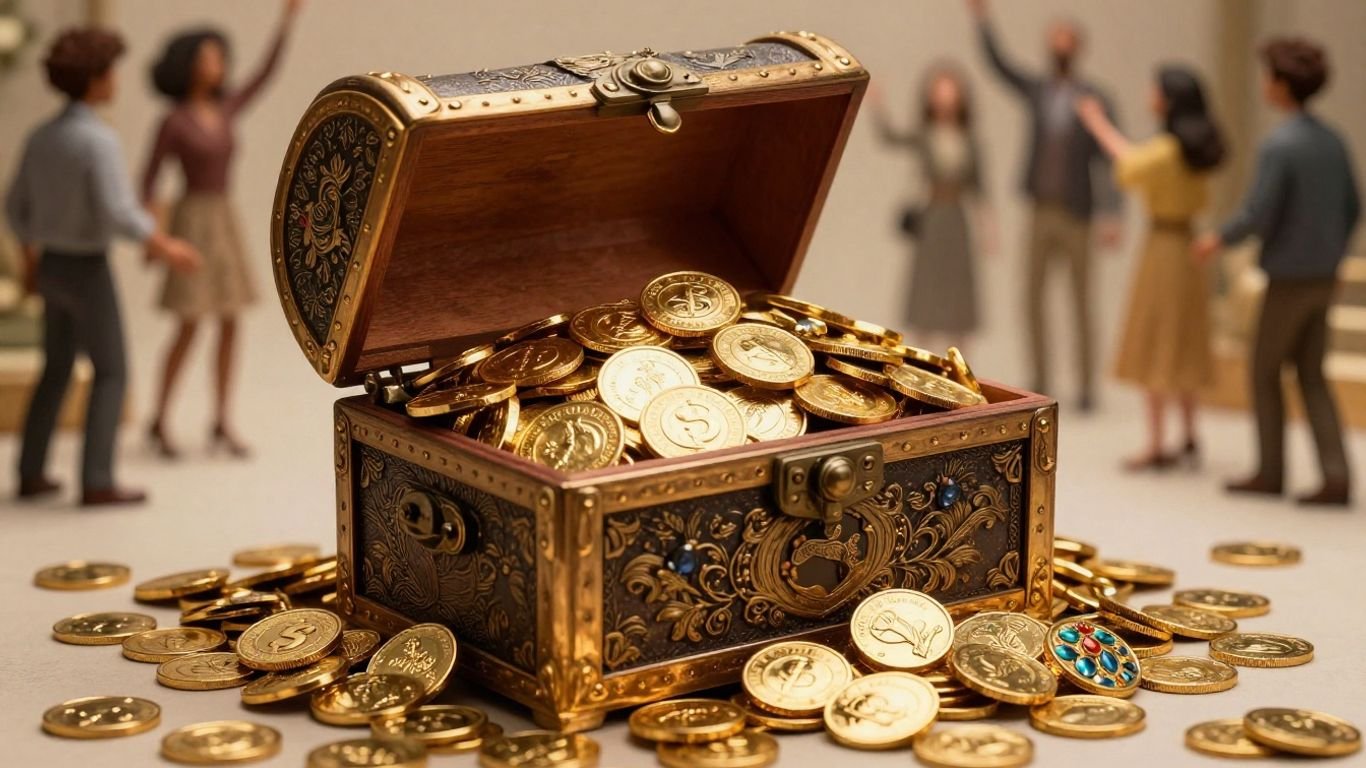
- A huge amount of wealth, over $70 trillion, is set to be passed down through generations in the next decade, which could make inequality much worse.
- The richest 1% have grabbed a big chunk of new wealth since 2000, while many others have seen very little growth.
- Many millionaires themselves are worried that extreme wealth is bad for democracy and want action taken.
- There’s a growing concern that private wealth is growing much faster than public wealth, impacting society.
- The G20 group of countries has a flexible role and could set the agenda for tackling these big global issues like wealth inequality.
The Looming Wealth Transfer Crisis

It’s getting harder and harder to ignore the massive shift in wealth happening right under our noses. We’re talking about a situation where the folks at the very top are accumulating more and more, and it’s not just about their current earnings. A huge chunk of this is set to be passed down, creating a kind of economic dynasty that’s tough to break into. This isn’t just a little bump; it’s a significant change that could reshape our societies for decades to come.
An Inequality Emergency on the Global Stage
Look around, and you can see it. The gap between the haves and have-nots isn’t just a talking point anymore; it’s a real problem. Experts are calling it an "inequality emergency," and it’s happening everywhere. The richest people are grabbing a huge slice of all the new money being made. It’s like a race where only a few are winning, and most are just trying to keep up.
The Stiglitz Report’s Stark Warnings
Joseph Stiglitz, a big name in economics, put out a report that really lays it out. It talks about how much wealth is going to be handed down over the next ten years – we’re talking trillions. And the kicker? A lot of this will barely get touched by taxes. This isn’t just about fairness; it’s about what this kind of concentration of wealth does to everything else, from our economies to our communities. It’s a wake-up call, frankly.
Generational Wealth Transfer: A Growing Concern
This isn’t a new idea, but it’s becoming a much bigger deal. Think about it: fortunes are being built and then passed down, generation after generation. This makes it incredibly difficult for anyone outside of those established wealthy families to get ahead. It’s a cycle that’s hard to break, and it’s something we need to pay attention to if we want a society where everyone has a shot.
The way wealth is accumulating and being transferred is creating a system that’s increasingly difficult for the average person to navigate. It’s not just about earning money; it’s about what happens to that money over time and who it benefits.
Here’s a look at how wealth is being concentrated:
- The top 1% have been capturing a massive amount of new wealth.
- A significant amount of money is being passed down to heirs without much taxation.
- This trend is making the gap between the rich and the poor even wider.
It’s clear that the current situation with wealth transfer is becoming a major issue. We’re seeing a pattern where wealth isn’t just earned; it’s inherited, and that’s changing the economic landscape dramatically. This is why groups are looking at how countries can work together, like through the G20 leading nations, to address these growing disparities before they become even more entrenched.
The G20’s Role in Addressing Wealth Inequality
A Blueprint for Greater Equality
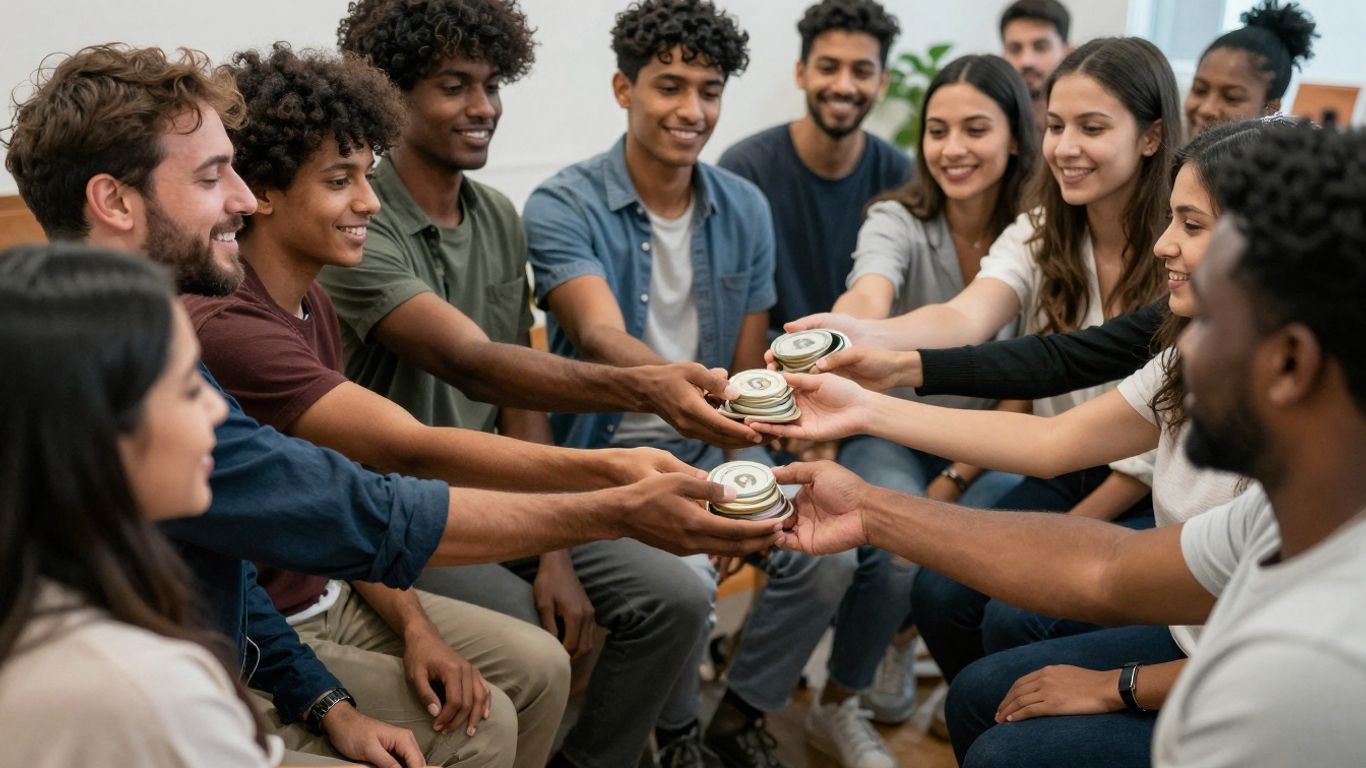
The G20 nations have a significant role to play, whether they choose to acknowledge it or not. Reports suggest that over $70 trillion in wealth is set to be passed down through generations in the next decade. This isn’t just a small number; it’s a massive transfer that could solidify existing inequalities. Some economists, like Joseph Stiglitz, have been pushing for the G20 to take a more active stance, even proposing a dedicated panel to monitor this growing gap. It’s about time these discussions moved beyond just talk and into actual policy. We need a clear plan, a real blueprint, to ensure wealth doesn’t just concentrate in fewer and fewer hands. This isn’t about punishing success; it’s about making sure the system is fair for everyone.
The Need for International Intervention
Look, inequality isn’t just a problem for one country anymore. It’s a global issue, and it requires international cooperation. The G20 economic policies have, in many ways, contributed to the current situation, and therefore, they must be part of the solution. We’re seeing reports that over 80% of countries are dealing with high levels of income inequality. That’s not a coincidence. It means that the way global economies are structured, the way trade and finance work, it’s all contributing to this divide. Without coordinated action from major economies, this trend will likely continue, making it even harder for ordinary people to get ahead. It’s time for these powerful nations to step up and work together on this. We can’t just expect things to sort themselves out.
Putting Inequality on the Global Agenda
For too long, issues like extreme wealth concentration have been pushed to the side. The G20, with its broad reach and influence, is perfectly positioned to change that. It’s not just about economic growth figures; it’s about the health of our societies and the stability of our democracies. When a small percentage of the population controls a huge chunk of the wealth, it changes everything. It affects social cohesion, it can undermine democratic institutions, and it certainly doesn’t feel fair to most people. The G20 needs to make tackling inequality a central part of its mission, not just a side note. This requires setting clear goals and holding members accountable for progress. It’s about making sure that the global economic system works for more than just the super-rich. We need to see a real commitment to reshaping international economic structures and policies.
The Concentration of Wealth
It’s pretty clear that a lot of new money is ending up in the same few hands. We’re seeing a situation where the wealthiest folks are grabbing a huge chunk of all the wealth that’s being created. Think about it, between 2000 and 2024, the top 1% managed to snag over 40% of all the new wealth generated globally. That’s a massive amount, while the bottom half of the world’s population only saw their wealth grow by about 1%. It really highlights a serious imbalance in global asset distribution.
The Richest 1% Capturing New Wealth
This isn’t just a small gap; it’s a chasm. The numbers show that the richest individuals are accumulating wealth at a pace that’s hard to even imagine. While most people are just trying to get by, a tiny fraction of the population is getting significantly richer. This trend has been going on for a while now, and it doesn’t seem to be slowing down.
Billions Passed Down Untaxed
And it gets worse. A lot of this wealth isn’t even earned; it’s inherited. We’re talking about trillions of dollars set to be passed down to heirs over the next decade. Reports suggest that over the next 30 years, billionaires could transfer more than $5.2 trillion to their kids, and most of it will likely be untaxed. This means the advantages just keep piling up for those already at the top, making it even harder for anyone else to catch up.
The Widening Gap Between Rich and Poor
This whole situation creates a really uneven playing field. When wealth is concentrated like this, it affects everything. It can make it harder for regular people to get ahead, and it can even start to strain the way our societies work. It’s a cycle that seems to just keep going, with the rich getting richer and the gap between them and everyone else growing wider.
The concentration of wealth isn’t just an economic issue; it has ripple effects across society, impacting everything from opportunity to stability. It’s a trend that demands attention and serious thought about how we got here and where we’re headed.
Here’s a look at how wealth has been accumulating:
- The top 1% captured 41% of new wealth between 2000-2024.
- The bottom 50% of the population only saw 1% of new wealth gains in the same period.
- An estimated $70 trillion in wealth is expected to be passed down to heirs in the coming decade.
This kind of concentration is a big deal, and it’s something that needs to be discussed more openly. It’s not just about numbers; it’s about the kind of society we’re building.
Policy Choices Fueling Inequality
Ethical Attitudes and Economic Trade-offs
It’s becoming pretty clear that the way we handle money and who gets what isn’t just some accident. It’s actually the result of decisions made by people in charge, decisions that show what they value. We’re talking about choices that reflect certain ethical viewpoints, sure, but also some tough economic calculations. The folks who put together that report for South Africa pointed out that inequality isn’t just something that happens; it’s built by the policies we enact. Think about it – when governments decide to cut taxes for the super-rich or look the other way on how companies operate, that’s a choice. It’s not a neutral act. These aren’t just abstract economic theories; they have real-world consequences for everyday people. It’s like deciding who gets the biggest slice of the pie before it’s even baked. We’ve seen how policies can lead to a situation where the wealthiest 1% grab a huge chunk of new wealth, while the rest of us see very little change. This isn’t just about fairness; it’s about the kind of society we’re building. The decisions made today directly impact the economic landscape for years to come, and frankly, some of these choices seem to favor a select few. It’s a complex issue, and understanding the underlying values driving these decisions is key to figuring out how we got here. The Stiglitz Report’s Stark Warnings really hammered this home, showing how these aren’t just random occurrences but deliberate outcomes of policy.
The Impact of Policy on Social Cohesion
When you have policies that seem to benefit only a small group, it really starts to wear on people. It creates a feeling that the system isn’t working for everyone, and that can lead to a lot of division. We’re not just talking about people being unhappy because they don’t have as much money; it’s deeper than that. It’s about feeling like you’re not being heard or that your contributions don’t matter. This kind of disconnect can really damage the fabric of society. People start to feel estranged, like they’re on the outside looking in. This isn’t just about the economy; it affects how we get along with each other, how we trust our neighbors, and how we feel about our country. When economic progress and social well-being get separated, that’s when you see real problems pop up. It’s like the old saying, man does not live by bread alone. People need more than just material stuff; they need a sense of belonging and purpose. Policies that ignore this can lead to a lot of discontent, even if people are technically better off than they were before. It’s a tricky balance, and it seems like we’ve been leaning too far in one direction.
Undermining Democratic Institutions
This whole situation with wealth concentration and policy choices isn’t just an economic problem; it’s a threat to how our governments work. When a small number of incredibly wealthy individuals or groups have an outsized influence, it can really skew the political process. Think about it: who are politicians listening to? Are they hearing the concerns of average citizens, or are they more attuned to the wishes of those with deep pockets? This can lead to policies that further benefit the rich, creating a cycle that’s hard to break. It makes people feel like their vote doesn’t count, or that the whole system is rigged. This kind of disillusionment can really weaken democratic institutions over time. It’s not just about who wins elections; it’s about whether the government is truly representing the people. When the influence of money becomes too great, it can undermine the very idea of a government of, by, and for the people. We need to be really careful about how these dynamics play out, because the health of our democracy depends on it. It’s a serious issue that needs attention, and frankly, some of the current trends are worrying. The push for greater equality in various sectors is a good start, but it needs to be matched by policy changes that address the root causes of this imbalance.
The Threat to Democracy from Extreme Wealth
Wealth Inequality and the Rise of Authoritarianism
It’s getting harder and harder to ignore the elephant in the room: the sheer amount of money concentrated in the hands of a tiny few. This isn’t just about numbers on a spreadsheet; it’s about what that concentration of wealth does to the way our countries are run. When a small group has so much, their voices tend to get amplified, drowning out everyone else. We’re seeing this play out globally, and frankly, it’s not a good look for democracy. It feels like the system is being tilted, and not in favor of the average person.
The Influence of the Super-Rich on Politics
Let’s be honest, money talks. And when you have individuals with billions, their conversations can really shape political outcomes. It’s not always about outright bribes, though that’s a concern too. It’s more subtle – think lobbying, campaign donations, and shaping the public narrative through media ownership. This influence can make it tough for regular politicians to make decisions that benefit the majority, especially when those decisions might cut into the profits of the extremely wealthy. It’s a tricky situation, and it makes you wonder who politicians are really working for. Some reports suggest that a huge chunk of new wealth goes to the top 1%, while the bottom 50% gets very little. That kind of imbalance is bound to cause problems.
Millionaires Acknowledge the Danger
What’s really interesting, and maybe a little surprising, is that even people who have made it big are starting to sound the alarm. A recent survey of millionaires in G20 countries showed that a significant majority believe extreme wealth poses a threat to democracy. They see how wealth can be used to buy political influence and worry about the impact on elections. It’s a stark reminder that this isn’t just an issue for those struggling to get by; it’s a problem that affects the stability of our entire system. Many of these millionaires even support higher taxes on the super-rich to help fund public services. It seems like a growing number of people, regardless of their bank balance, recognize that something needs to change before the gap between the haves and have-nots becomes unbridgeable. This sentiment is echoed by those involved in groups like Patriotic Millionaires, who are calling for action.
The concentration of wealth isn’t just an economic issue; it’s a direct challenge to the principles of representative government. When political access and influence are primarily determined by financial clout, the very foundation of a democracy – one person, one vote – begins to erode. This creates a feedback loop where wealth begets more political power, which in turn is used to protect and increase that wealth, further marginalizing ordinary citizens and their concerns.
Taxation as a Tool Against Wealth Transfer
It’s becoming pretty clear that the way wealth is piling up at the very top isn’t sustainable. We’re seeing a massive amount of money being passed down through generations, often without much of a second thought or, more importantly, without contributing much back to society. This isn’t just about fairness; it’s about the health of our economies and our communities.
The Case for Taxing the Super-Rich
Look, nobody’s saying successful people shouldn’t keep what they earn. But when fortunes get so big they start to dwarf the economies of entire countries, we’ve got a problem. The idea that the wealthiest among us should contribute more, especially when it comes to passing down their wealth, is gaining traction. It’s not about punishment; it’s about ensuring a level playing field and funding the public services we all rely on. Taxing extreme wealth is a practical way to address the growing divide.
Billionaires Paying Near-Zero Tax Rates
It’s a bit wild when you hear about billionaires paying less in taxes than their employees, or even less than you or I might pay. This often happens through clever tax planning and exploiting loopholes. When you have vast sums of money, managing international estates and dealing with cross-border estate planning becomes a complex game. This allows wealth to be shielded from taxation, which just widens the gap between the haves and have-nots. It makes you wonder if the system is really working for everyone.
Higher Taxes for Public Services
Imagine what we could do with the resources generated by a fairer tax system. Investing in infrastructure, education, healthcare – these are things that benefit everyone. When the richest contribute their fair share, it means less strain on the average taxpayer and more resources for public goods. It’s a straightforward trade-off: more revenue from the top means better services for all. This is especially important when considering international inheritance laws, which can be exploited to avoid taxes.
The concentration of wealth isn’t just an economic issue; it has real-world consequences for social mobility and the functioning of our democratic institutions. When a small group holds an outsized amount of economic power, it inevitably translates into political influence, potentially skewing policy decisions away from the needs of the broader population. This dynamic can erode public trust and create a sense of disenfranchisement among ordinary citizens.
Here’s a look at how wealth has been concentrated:
- The top 1% captured 41% of all new wealth between 2000 and 2024.
- The bottom 50% of the population only saw 1% of that new wealth.
- An estimated $70 trillion in wealth is expected to be passed down to heirs over the next decade, much of it untaxed.
The Erosion of Public Wealth
It’s getting harder and harder to ignore what’s happening to our shared resources. While private fortunes are ballooning, the things that belong to all of us – our public assets – seem to be shrinking. Think about it: roads, schools, parks, even our national infrastructure. These are the foundations of a functioning society, and they’re being overshadowed by the sheer amount of private wealth accumulating at the top. This isn’t just some abstract economic theory; it’s about the tangible things that make our communities work.
Private Wealth Surging Ahead of Public Wealth
We’re seeing a massive shift. Over the last few decades, private wealth has just exploded, leaving public wealth in the dust. Back in 1975, the gap between private fortunes and what society collectively owned was significant, but manageable. Now? It’s astronomical. If this trend keeps up, the numbers are frankly scary. It means less is available for shared services and investments that benefit everyone. It’s like watching your own house fall into disrepair while your neighbor builds a mansion.
The Importance of Public Assets
These aren’t just random bits of property. Public assets are the backbone of our nation. They’re the roads we drive on, the schools our kids attend, the hospitals that care for us when we’re sick. They represent our collective investment in a stable and prosperous future. When these assets are neglected or privatized without proper consideration, it weakens the social fabric and can lead to a two-tiered system where only the wealthy can afford quality services. We need to remember that a strong public sector is not the enemy of progress; it’s often the bedrock upon which private enterprise can even thrive. Investing in public goods is an investment in all of us, and it’s something we shouldn’t be so quick to dismiss. It’s about maintaining the basic infrastructure that allows for things like global payment systems to function smoothly.
Reclaiming National Wealth
So, what do we do? We need to start thinking seriously about how we value and manage our public wealth. This isn’t about handouts; it’s about smart stewardship. It means ensuring that when public assets are developed or managed, it’s done in a way that benefits the public good, not just private pockets. It also means looking at how we fund these essential services. Relying solely on private wealth to fill the gaps is a losing strategy. We need policies that recognize the long-term value of public investment and protect these shared resources for future generations. It’s about making sure our nation’s resources are used for the benefit of the many, not just the few. We can’t afford to let our shared inheritance dwindle away while private fortunes soar. This is especially true when we consider the impact on scientific advancement, where reduced public investment risks a significant brain drain and loss of competitive edge.
A Call for a New Global Worldview
Look, the way we’ve been thinking about things, especially when it comes to the economy and how countries work together, just isn’t cutting it anymore. For ages, we’ve been told that more money, more stuff, that’s the main goal. It’s like we’ve been stuck in a rut, thinking that if everyone just gets richer, everything else will sort itself out. But that’s clearly not happening, is it? We see folks getting more prosperous, but at the same time, there’s more anger, more division, and a general feeling that things are falling apart. It’s a real head-scratcher when people have more than ever but seem less happy.
Beyond Capital and Wealth
We need to start looking past just dollars and cents. The old way of thinking, focused solely on accumulating wealth and chasing after the next big profit, is leaving a lot of people behind. It’s like we’ve been so busy building up private fortunes that we’ve forgotten about the importance of public assets and shared prosperity. We need to remember that a strong society isn’t just built on how much money individuals have, but on the well-being of the whole community. It’s about more than just what’s good for the economy; it’s about what’s good for people, for families, and for the country.
Empowerment and Solidarity as Goals
So, what’s the alternative? We need to shift our focus. Instead of just aiming for wealth, we should be thinking about empowerment – giving people the tools and opportunities to succeed. And just as importantly, we need solidarity. That means looking out for each other, understanding different viewpoints, and working together. When we only focus on ourselves or our own little groups, problems get bigger. Think about how difficult it is to fix things like a failing power grid without everyone pitching in; it’s a bit like that on a global scale, and we need to get better at cooperating on shared challenges.
A Broader Conception of Human Needs
This isn’t about throwing out everything we know. It’s about adding to it. We need policies that recognize people need more than just money. They need security, yes, but they also need to feel like they belong, that they can achieve things, and that their communities are strong. It’s about acknowledging that different people live different lives and that’s okay, as long as we can all get along and tackle the big issues together. This means rethinking how we approach things, looking at the bigger picture, and making sure our economic plans actually help build better societies, not just richer individuals. It’s a tough change, but sticking with the old ways isn’t working, and we need to find a better path forward for everyone.
The G20’s Flexible Mandate
Promoting Global Social Welfare
The G20 isn’t like your typical international club with a rigid rulebook and a permanent office. It’s designed to be adaptable. Think of it as a flexible forum where leaders can actually talk face-to-face, build some trust, and then figure out how to tackle problems as they pop up. Because the group is relatively small, leaders can make decisions together. Plus, it covers a huge chunk of the world’s population and trade, so what they decide actually matters. The presidency rotates each year, and the country in charge gets to set its own priorities. This means the G20 can really set its own agenda. Ultimately, for the G20 to be seen as legitimate, it needs to actually help improve people’s lives around the world. If economic growth is helping everyone, then focusing on the economy makes sense. But when that link breaks, and it often does, the G20 has to look beyond just the numbers and consider other aspects of well-being.
Setting the Agenda for Collective Action
Over the years, the G20’s focus has shifted. After the 2008 financial mess, it was all about getting the economy back on track and stable. But then people started noticing that not everyone was benefiting equally. So, the agenda expanded to include "inclusive prosperity." Then came the environmental worries, and the G20 had to start thinking about sustainability – how our actions affect the planet for future generations. Now, the conversation is even broader, talking about "resilient, inclusive, sustainable prosperity." This means building economies that can bounce back from shocks, whether they’re economic, political, or environmental. It’s a recognition that just focusing on money isn’t enough anymore; we need to think about the bigger picture. This shift is partly because economic progress doesn’t automatically mean social progress anymore. We’re seeing wider gaps in income and people feeling less empowered. The G20 is trying to address this by looking at more than just material wealth, considering things like empowerment and solidarity. It’s a move towards a new way of thinking about global cooperation, acknowledging that different countries have different needs and cultures, but can still work together on shared problems. This is especially relevant as countries like Argentina look to stabilize their economies through significant reforms, seeking international support.
Ensuring Legitimacy Through Results
This whole G20 setup, with its rotating leadership and flexible agenda, means it can really tackle issues that matter. It’s not bogged down by bureaucracy. The fact that it can bring together leaders from major economies means it has the power to make a real difference. However, this flexibility also means its success hinges on actual results. If the G20 is going to be taken seriously, it needs to show it can deliver tangible improvements in people’s lives. This includes addressing issues like wealth concentration, which has become a major concern. For instance, recent discussions have highlighted how billionaires often pay very little in taxes, far less than average workers. This kind of disparity undermines public trust and makes it harder for governments to fund public services. The G20’s ability to coordinate on issues like global tax cooperation, as seen in past agreements, is key to maintaining its credibility. Without concrete actions and visible progress, the G20 risks becoming just another talking shop. It’s about more than just setting an agenda; it’s about following through and demonstrating that collective action can lead to a better world for everyone, including initiatives that support financial inclusion.
Millionaires’ Concerns Over Wealth Concentration
It’s getting harder to ignore the elephant in the room, even for those who are doing pretty well. A lot of folks with serious money, the kind who’ve made it into the millionaire club, are starting to get a bit uneasy about how much wealth is piling up at the very top. It’s not just about envy; it’s about what this concentration of wealth is actually doing to things like our political system and the overall stability of society. You hear it from them directly: they worry that this extreme wealth is practically buying political influence, and that’s a slippery slope.
Extreme Wealth as a Threat to Democracy
When you’ve got a situation where a tiny fraction of the population holds a massive chunk of the world’s assets, it’s natural for questions to arise about fairness and representation. A recent poll of millionaires across G20 nations really highlighted this. Nearly 80 percent of them believe the super-rich can indeed purchase political influence. That’s a pretty stark admission from people who are, by definition, part of that wealthy group. It suggests a widespread feeling that the game is rigged, and not in favor of the average person. This isn’t just some abstract idea; it’s a tangible concern that impacts how people view their governments and the democratic process itself. It makes you wonder if our leaders are truly listening to everyone, or just to the loudest, wealthiest voices. It’s a worrying trend that could erode trust in our institutions.
The Power of Wealthy Individuals in Politics
It’s not just a feeling; the numbers seem to back up the idea that money talks in politics. When you look at how campaigns are funded and how lobbying works, it’s pretty clear that those with deep pockets have a much easier time getting their messages heard by politicians. This isn’t a new problem, but it seems to be getting more pronounced. Some millionaires themselves are pointing out that this level of influence can prevent real action on important issues, like tackling inequality. It’s like a logjam, where the concerns of the many get sidelined by the financial clout of the few. This dynamic can make ordinary people feel like their voices don’t matter, which is bad for everyone. We need to think about how to level the playing field a bit, so that policy decisions are made for the benefit of the whole country, not just a select group. It’s about making sure our government works for all of us, not just those who can afford the best access. The family’s business dealings in Gulf states, for instance, raise questions about potential conflicts of interest [4b4f].
Support for Tackling Extreme Wealth
What’s interesting is that a good number of these millionaires aren’t just complaining; they’re actually calling for action. A significant portion of those polled think that governments should be doing more to address extreme wealth. They see it as a problem that needs fixing, not just something to accept. This includes supporting higher taxes on the very richest to help fund public services and ease the cost of living for everyone else. It’s a sign that maybe there’s a growing consensus, even among those who benefit from the current system, that things have gone too far. They recognize that extreme inequality isn’t just unfair; it’s destabilizing. It’s a complex issue, for sure, but the fact that millionaires are voicing these concerns is a pretty big deal. It suggests that maybe, just maybe, we can find common ground on how to move forward. The idea is that by addressing the concentration of wealth, we can create a more stable and fair society for all. This is a sentiment echoed by many who believe that taxing the super-rich is a necessary step [a4c1].
What Now?
So, we’ve heard a lot about this massive wealth transfer and how it’s making the gap between the super-rich and everyone else even wider. It’s like watching a game where the rules seem to favor only a few players. Some folks are pushing for the G20 to step in, maybe with new taxes or a special panel to keep an eye on things. Others think the whole focus on inequality is a distraction from what really matters. It’s a complicated mess, and figuring out the right path forward, one that actually helps regular people and doesn’t just create more red tape, is going to be a real challenge. We’ll just have to wait and see what these big meetings actually decide, if anything.
Frequently Asked Questions
What is the ‘wealth transfer crisis’ the G20 is concerned about?
It’s about a huge amount of money, over $70 trillion, expected to be passed down from wealthy parents to their kids over the next 10 years. Experts worry this will make the gap between the super-rich and everyone else even bigger, because this money often isn’t taxed.
How has wealth been shared recently?
Sadly, it’s not been very fair. Since the year 2000, the richest 1% of people have grabbed more than 40% of all the new money made. Meanwhile, the poorest half of the world’s population only saw their wealth grow by a tiny bit, just 1%.
Why is the G20 involved in this issue?
The G20 is a group of the world’s biggest economies. They are talking about this because extreme wealth differences can cause big problems for countries and the whole world. They want to find ways to make things more equal and fair for everyone.
Can you explain ‘policy choices fueling inequality’?
This means the rules and decisions governments make can either help or hurt the gap between rich and poor. For example, tax laws or how much companies are allowed to influence politics can make inequality worse or better.
How does extreme wealth affect democracy?
When a very small number of people have way more money than everyone else, they can use that money to influence politics and elections. This can make it harder for regular people’s voices to be heard and can weaken democratic governments.
What does ‘taxation as a tool against wealth transfer’ mean?
It means using taxes, especially on the very wealthiest people and their inherited fortunes, as a way to collect money. This money could then be used for important public services like schools, hospitals, and roads, helping to balance things out.
What is ‘public wealth’ and why is it important?
Public wealth includes things owned by everyone, like parks, libraries, roads, and schools. When private wealth (money and assets owned by individuals) grows much faster than public wealth, it can mean less money for shared services and resources that benefit society.
What do millionaires themselves think about wealth concentration?
Surprisingly, many millionaires agree that having too much wealth concentrated in the hands of a few is a problem. They worry it’s bad for democracy and society, and some even support higher taxes on the rich to help fix it.