
The Best Drone Accessories: Never Fly Without These
Key Takeaways
Equipping your drone with the right gear ensures you stay productive and safe while capturing high-quality results. Here are the main points when considering the best drone accessories for your fleet.
- Prioritize power systems to maintain flight independence.
- Utilize robust carrying protection for gear security.
- Select reliable memory cards to preserve high-bitrate data.
- Employ landing pads to prevent premature motor wear.
- Always keep essential maintenance tools in your kit.
1. High-capacity smart batteries for flight independence
Reliable power is the foundation of every successful aerial operation. When planning longer missions, having spare power sources prevents the frustration of being grounded just as the most desirable lighting conditions approach. Relying on quality Intelligent Flight Battery units ensures your drone performs consistently throughout every flight cycle.
Managing your power supply is not merely about having extra batteries on hand; it involves understanding how temperature and altitude changes impact discharge rates. Modern systems perform real-time monitoring of these power cells, offering peace of mind to the pilot during extended shoots. By investing in higher capacity options, you secure more time in the air to execute complex shots without constant concern for battery levels.
Building a robust energy strategy allows you to remain productive even in demanding situations. Whether you are conducting survey work or landscape photography, a well-planned battery rotation prevents downtime. This independence is what transforms your drone from a recreational toy into a serious tool for individual or professional use.
2. Rugged carrying cases for equipment security
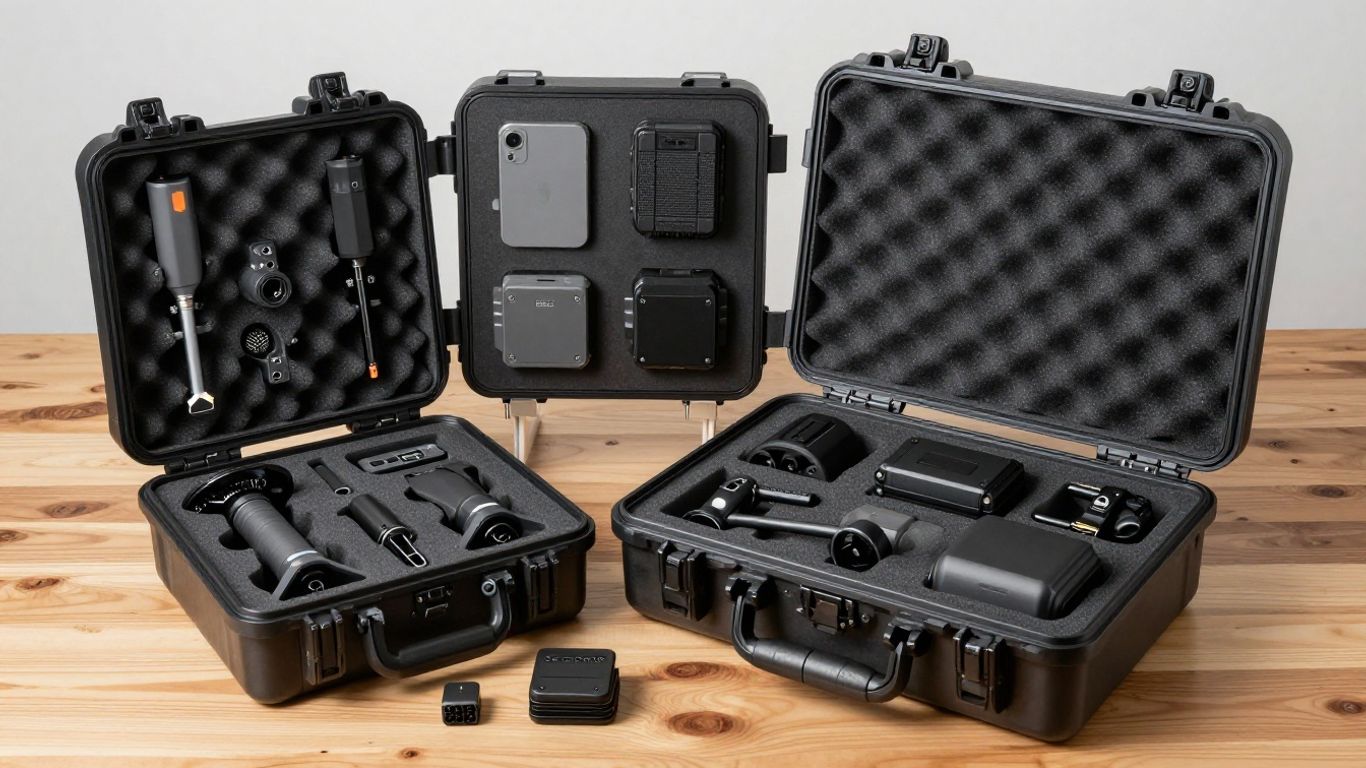
Protecting your investment during travel is just as important as the flying itself. A rugged case designed specifically for your hardware provides organized storage and keeps every component safe from impact or debris. Using a dedicated camera bags solution ensures that your frame, remote, and lenses stay secure while navigating through field environments.
When choosing storage, consider the durability of the exterior shell versus the internal foam density. Soft bags work for casual transport, but molded hardshell cases offer the level of security required for those traveling to remote locations. Ensuring that each propeller and sensor remains protected prevents costly repairs caused by accidental knocks or moisture exposure during transit.
Maintaining the structural integrity of your kit requires an organized approach. Labeling your slots and checking for loose items before securing the latches becomes second nature over time. A properly packed kit not only extends the longevity of your hardware but also makes your workflow more efficient when you arrive on site.
3. High-speed memory cards for data reliability
High-resolution video demands hardware that can keep up with the write speeds necessary to prevent dropped frames or data corruption. Investing in a high-quality memory cards selection is vital for mission-critical reliability and protecting the work you spend hours capturing. Reliability in storage media is non-negotiable for professional aerial imaging.
Technological limitations in older cards can create a bottleneck for high-bitrate cameras, leading to missed details or corrupted files. Ensure that your media meets the speed class requirements defined by the camera internal specifications to avoid performance issues. Always carry backups so you never face a scenario where your storage is full, and you cannot clear space quickly on the field.
| Feature | Performance Class | Recommendation |
|---|---|---|
| Write Speed | U3/V30 | Essential for 4K |
| Capacity | 128GB+ | Reliable for long shoots |
| Durability | High-endurance | Weatherproof build |
This table illustrates the hierarchy of storage essentials. By selecting cards that align with these specifications, you avoid mid-session failures that can stall your progress during crucial captures.
4. Landing pads for operation in austere environments
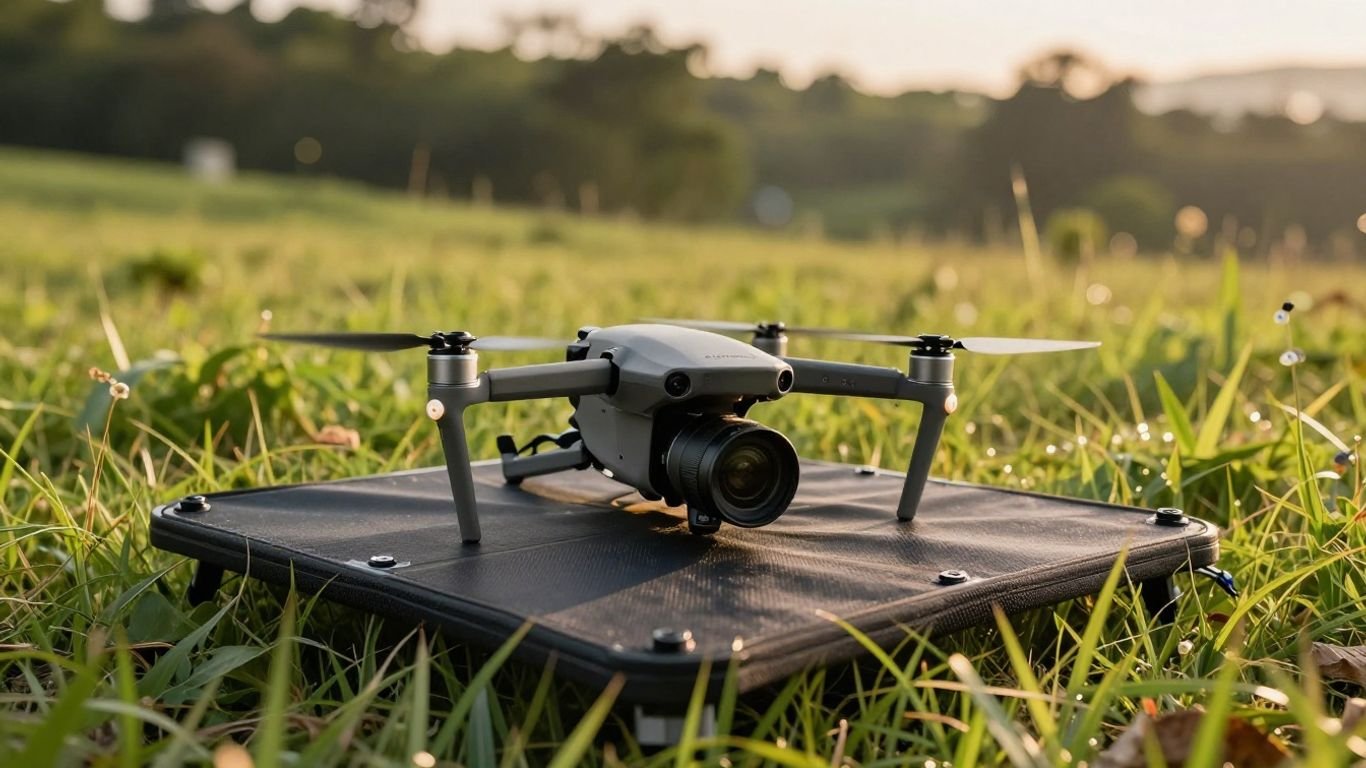
Landing in raw, uneven, or dusty terrain places unnecessary stress on the drone motors and internal optical sensors. A high-quality landing pad acts as a barrier against kicked-up dust and stray debris that could damage delicate gimbal components. Providing a stable platform also improves the accuracy of home-return functions during automated landings.
Using a dedicated pad significantly reduces the physical toll on your craft. It serves as a visual marker for your landing zone, which is especially helpful when flying near tall vegetation or rough surfaces. This simple accessory protects your investment and ensures that small particles of sand or dirt do not find their way into the landing gear assembly.
Many pilots find that integrating this step into their workflow simplifies the pre-flight routine. By creating a standardized surface, you ensure consistent performance regardless of where you operate. This dedication to gear preservation is common among those who value individual responsibility and long-term asset maintainability.
5. Propeller guards for safer structural operation
Operating near complex structures or indoor environments introduces risks that standard flights do not face. Adding propeller guards provides an extra buffer, protecting both the environment and your drone from damage during minor collisions. These are especially valued in tight, confined spaces where maneuvering requires precision.
While some argue that extra weight affects flight efficiency, the trade-off for increased safety in challenging areas is often worth the cost. Properly installed guards distribute impact energy rather than letting propellers take the blunt force. This allows pilots to focus on their creative goals without constant fear of contact damage.
Following the manufacturer guidelines for installation is paramount to ensuring flight stability. Unbalanced or poorly secured guards can negatively affect flight controllers, so always double-check the locking mechanisms. Used correctly, they transform your operation from a high-stakes effort into a controlled experience.
6. Signal boosters for expanded command range
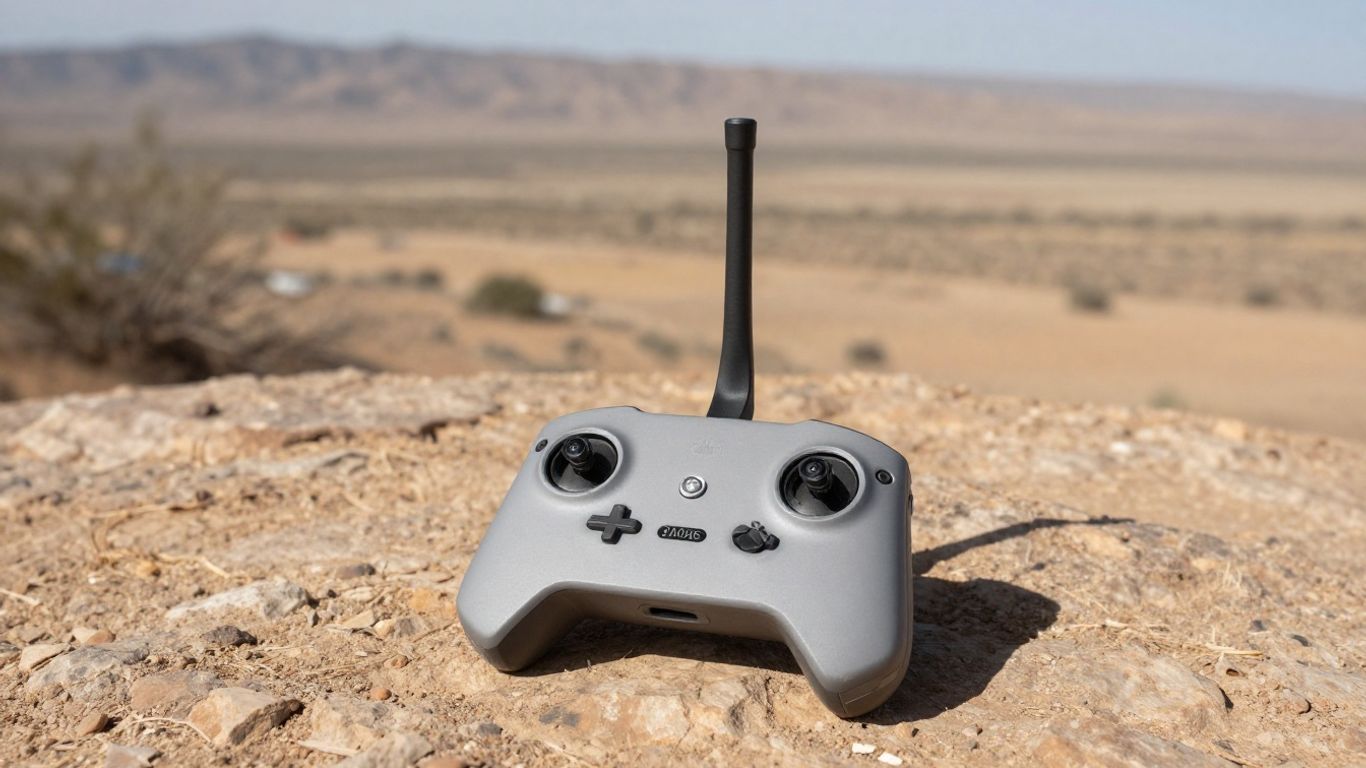
Maintaining a stable link between your remote and the drone is critical for safety and command authority. Signal boosters or range extenders help counteract interference that might exist in areas with signal congestion. Improving your signal path ensures that you maintain full control throughout the entire duration of your flight.
When signal quality degrades, you may experience lag or unexpected behavior in the control interface. Effective communication is the backbone of safe operation in expansive environments. Relying on proven signal enhancement technology helps prevent the risk of disconnection during critical moments when you require immediate responsiveness.
There are several ways to improve your signal, ranging from simple directional antennas to advanced frequency management. Consider these factors:
- Clear line-of-sight between antennas
- Avoiding dense foliage or metal structures
- Proper receiver orientation
- Firmware updates for protocol efficiency
Applying these methods minimizes the need for drastic hardware changes and keeps your link strong. When your control path is solid, your confidence in the mission increases significantly.
7. Optical filters for enhanced situational clarity
Camera sensors require specific adjustments to handle harsh lighting effectively. Utilizing optical filters allows you to manage exposure, reduce glare from reflective surfaces, and achieve higher motion blur quality in your footage. These are staples for anyone serious about elevating the production value of their aerial cinematography.
The intelligent use of lighting control is what distinguishes a hobbyist from a serious pilot. By managing the light before it reaches the sensor, you maintain complete artistic control over your final image without needing extensive secondary correction.
This simple addition allows you to capture images that feel professional and polished. By dialing in the settings at the source, you ensure that your output remains consistent even as the sun moves across the sky and changes the atmospheric glare.
8. Dedicated smart controllers for simplified flight management
Managing your flight path is more intuitive with a dedicated smart controller that removes the need for a separate smartphone interface. These units often feature higher-brightness screens and optimized ergonomics that keep your hands comfortable for longer periods. Streamlining the hardware connection reduces the reliance on external hardware that can fail or disconnect.
Integrated controllers usually offer more precise sticks and faster response times compared to consumer-grade phone attachments. This creates a refined connection between your inputs and the drone performance. Because these devices are specifically designed for the platform, they often provide more reliable navigation and system monitoring.
Choosing a system that limits external distractions helps you stay focused on the task. Being able to access telemetry or mapping via a dedicated interface simplifies the process, allowing for more time spent in the air and less time troubleshooting software or cable connections. It represents a commitment to building a resilient, simple system for your daily flights.
9. Comprehensive maintenance kits for self-reliant repairs
Self-reliance in the field is a mark of an experienced operator. Having a maintenance kit containing everything from precision screwdrivers to adhesive strips allows for quick, on-the-spot repairs that keep your operation moving. Developing the ability to handle minor fixes prevents small failures from becoming mission-ending events.
Your pack should include specific tools compatible with your drone fasteners and delicate sensor arrays. Keeping your components clean and properly tensioned is just as important as having advanced technology on your side. Simple maintenance is the silent factor behind consistent performance.
Regular inspections also fall under these self-reliant practices. Checking for hairline cracks in the plastic frame or ensuring that motors turn smoothly without interference is a standard habit. Doing this regularly keeps the equipment in top form and gives you confidence that the craft will perform as expected when you launch.
10. Durable tablet mounts for precision piloting
For those who prefer a larger view when piloting, a durable mount that secures your tablet to the controller is essential. These mounts keep your display steady and offer viewing angles that reduce glare during high-noon operations. Proper mounting also balances the controller weight, making it significantly easier to navigate precisely.
Ensuring that your display is secure allows you to monitor critical data points with absolute ease. When your view remains stable, your concentration on the flight path is maintained without needing to adjust the hardware repeatedly. A sturdy mount effectively turns your controller into a comprehensive, mobile flight desk.
Choosing a mount that is both adjustable and compact ensures it does not become a hindrance to your mobility. It is vital to find the balance between screen visibility and device comfort. With the right mount, you improve your ability to execute steady, professional maneuvers with complete visual clarity.
Conclusion
Investing in the best drone accessories is about balancing functionality with the need for a simplified, reliable system. By focusing your budget on gear that improves safety, extends your mission duration, and provides clear situational awareness, you ensure that your drone remains a powerful asset rather than a complex responsibility. Whether you prioritize maintenance tools or signal enhancement, every piece of technology you add should serve a purpose that enhances your autonomy rather than creating new dependencies.
Frequently Asked Questions
Can I use third-party accessories with my drone?
Yes, many third-party items function perfectly, provided they meet the specific compatibility requirements for your platform and don’t interfere with the flight dynamics.
Do I really need extra batteries?
Extra batteries are essential if you intend to fly for extended periods or operate in professional capacities where downtime must be minimized between sessions.
How do I maintain my propellers?
Regular inspection for chips or cracks is crucial, and they should be replaced immediately if there is any visible damage to ensure optimal flight efficiency.
Are landing pads necessary on grass?
Landing pads protect your equipment from moisture and soil debris found in grass, keeping your optical sensors clean and preventing premature motor buildup.
What do optical filters actually do?
Optical filters control the amount of light entering the lens, allowing for better motion blur and glare reduction, similar to how traditional cameras function.
Why is my signal dropping frequently?
Signal range is often impacted by local interference, physical obstacles, or antenna orientation; boosters or changing operating locations can improve connectivity.
How often should I perform maintenance?
Perform a detailed inspection before and after every flight session, treating your drone with the same attention you would any other piece of critical hardware.
2 Comments